
Light Requirements
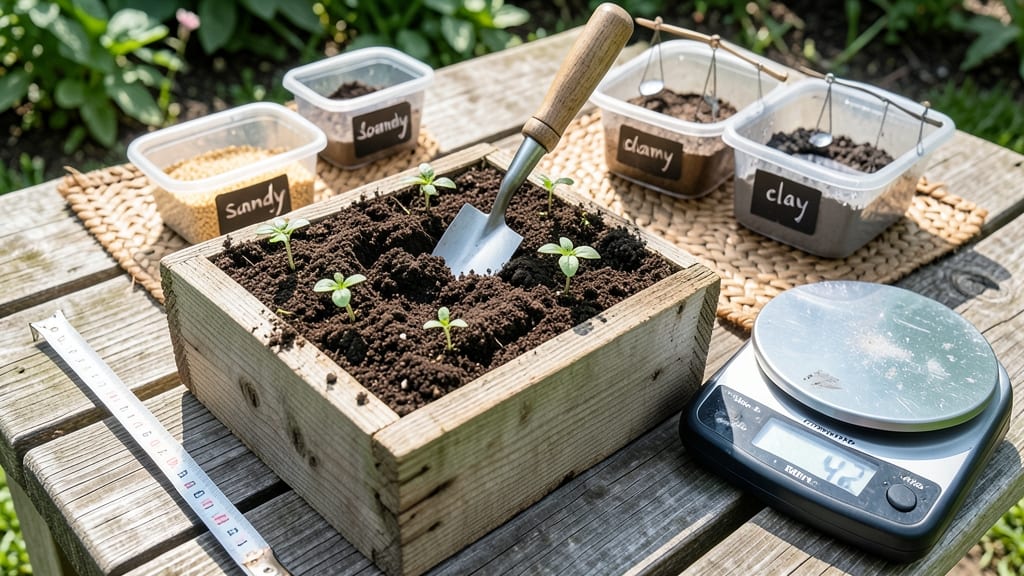
To determine how much 2 cubic feet of soil weighs, expect 25 to 60 pounds depending on its composition—sandy soil typically weighs 25–35 lbs, loamy soil averages 40–50 lbs, and dense clay soil can reach 50–60 lbs or more when compacted.
Understanding soil weight matters because it directly affects gardening tasks like transporting soil or calculating load capacity for containers. 🌱 The variations come from how tightly packed the particles are—sand grains are loose and lightweight, while clay particles bind together, creating heavier loads.
For example, a wheelbarrow full of wet clay soil will feel significantly heavier than the same volume of dry sandy soil. When planning projects, always account for moisture levels, as water can add up to 20% extra weight to the total.
In practical terms, this means a 4-cubic-foot bag of potting mix (common for raised beds) could weigh anywhere from 50 to 120 pounds depending on the blend.
Always lift with your legs and use proper equipment for heavier loads—back injuries are the most common mistake when handling soil without considering its true weight.
💡 In This Article
- Soil Density Factors Affecting Weight per Cubic Foot
- Practical Weights for Gardening and Landscaping Projects
Soil density factors affecting weight per cubic foot
Soil weight varies dramatically because of its particle composition and how tightly those particles pack together. Sandy soil, made of large, loose grains, typically weighs 90-110 pounds per cubic foot when dry—about 25-35 pounds for 2 cubic feet. The reason?
Sand particles have low surface area, so they don't bind well and leave lots of air pockets. In contrast, clay soil has tiny, flat particles that stack densely, creating a weight of 120-140 pounds per cubic foot (or 50-60 pounds for 2 cubic feet
Moisture is another game-changer—water can add up to 20% more weight to soil. A cubic foot of dry loam (the ideal gardening soil) weighs roughly 100 pounds, but when saturated, it jumps to 120 pounds. This is why clay soil feels heavier after rain: its particles absorb water like a sponge, swelling and binding together. Organic matter also plays a role—peat moss and compost are lighter (30-50 pounds per cubic foot), while decomposed wood or manure can add slight weight but improve structure. Compaction is the final piece of the puzzle. Foot traffic or machinery can compress soil by 15-30%, reducing air space and increasing density. For example, a freshly tilled garden bed might weigh 30 pounds per cubic foot, but after a few years of walking on it, that same volume could weigh 40 pounds. This is why construction sites test soil density before building—over-compaction can lead to poor drainage and root restriction for plants. Here’s a quick comparison of common soil types by weight per cubic foot: Understanding these factors helps explain why a wheelbarrow of clay feels like lifting a small boulder, while sandy soil seems almost weightless in comparison. The key takeaway? Always account for moisture and compaction when estimating soil weight for projects—it’s the difference between an easy task and a back-breaking struggle. 💪