
Planting
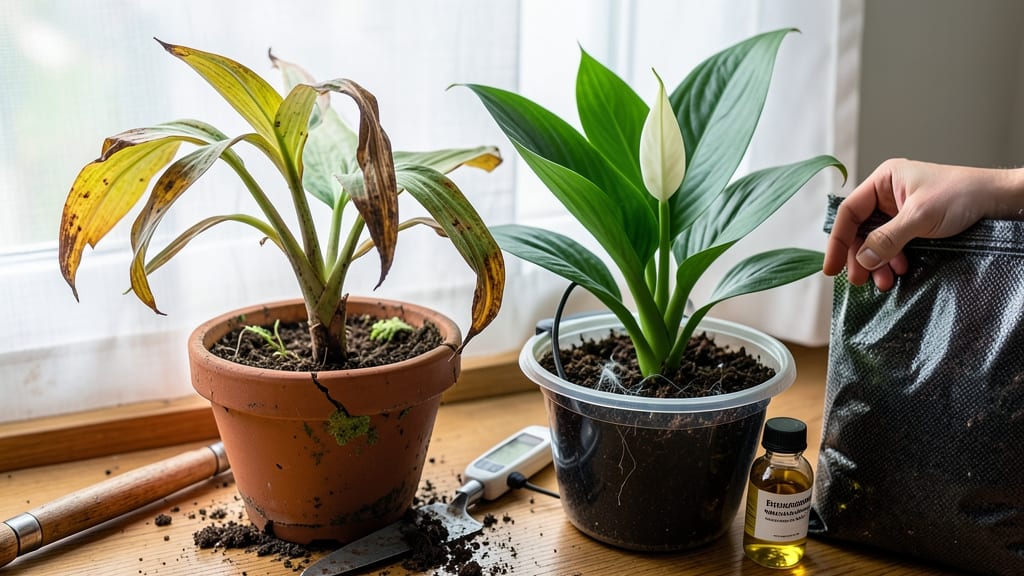
Yes, plant soil does go bad over time, losing nutrients, breaking down, and becoming compacted or waterlogged. Refresh or replace it every 1-2 years for healthy plant growth or when it smells sour, resists water, or fails to support roots properly.
Soil degradation happens naturally as organic matter decomposes, leaving behind dense, nutrient-poor layers that suffocate roots. 🌱 The breakdown of beneficial microbes and shifting pH levels can turn once-rich soil into a compacted mess—think of it like letting your favorite pair of jeans sit in the closet too long: they lose their shape and comfort.
I’ve seen plants struggle when soil becomes waterlogged or develops that unmistakable sour smell, signaling it’s time for a refresh. Testing with a simple finger squeeze (if it clumps tightly, it’s overworked) or checking for moldy patches can help you catch the problem early.
Refreshing soil doesn’t always mean starting from scratch—mixing in 2-3 inches of compost or worm castings can revive depleted beds. For severe cases, replacing the top 6 inches with fresh potting mix or garden soil works wonders, especially before planting season.
The key is timing: spring or early fall gives plants the best chance to thrive in revitalized soil.
💡 In This Article
- How Soil Degrades Over Time and Affects Plant Health
- When and How to Refresh or Replace Old Garden Soil
How soil degrades over time and affects plant health
Soil degradation begins with the natural breakdown of organic matter, where microbes consume nutrients like nitrogen, phosphorus, and potassium at a rate of roughly 1-2% annually.
Over time, this depletion leaves plants starved for essential elements, leading to stunted growth or yellowing leaves—a clear sign roots aren’t getting what they need.
The microbial community also shifts, with beneficial fungi and bacteria declining while harmful pathogens thrive in stagnant conditions. 🌱 Think of it like a garden ecosystem losing its balance: fewer allies for your plants means more stress and less vitality.
Physical changes compound the problem. Organic matter decomposes into dense, compacted layers that block water and air flow, creating a suffocating environment for roots. A simple test reveals this: press a handful of soil—if it clumps tightly and resists breaking, it’s likely compacted.
This compaction reduces porosity, so water pools instead of draining, leading to root rot or drought-like conditions even when soil looks moist. The pH can also drift, becoming too acidic or alkaline, which locks out nutrients like iron or calcium that plants desperately need.
Visible plant symptoms often appear before soil degradation becomes obvious. Wilting despite adequate watering, slow growth, or leaves that turn yellow between veins (a classic nutrient deficiency sign) all point to soil exhaustion. Roots may appear stunted or mushy when inspected, struggling to penetrate the dense layers.
Even if your plants survive, they won’t thrive—like trying to grow a sunflower in a shoebox instead of open ground. 🌿 The longer you ignore these signs, the harder it becomes to revive the soil without a full refresh.
Seasonal factors accelerate degradation. Hot summers speed up microbial activity, depleting nutrients faster, while cold winters can kill off beneficial microbes, leaving the soil less resilient. Rainfall patterns matter too: heavy downpours wash away nutrients, while droughts bake the soil, destroying its crumbly structure.
Without intervention, what was once fertile ground can become a barren, lifeless layer—hardly the foundation your plants deserve.
Here’s the kicker: even "good" soil has a shelf life. Potting mixes designed for short-term use (like seed-starting blends) can degrade in just 6-12 months, while garden soil may last 2-3 years before needing a refresh.
The key is monitoring both the soil and your plants—because by the time the soil looks bad, your plants have already been suffering in silence. 💡
Consider this: a single tablespoon of healthy soil teems with 1 billion bacteria and 1 mile of fungal threads. When that ecosystem collapses, your plants lose their lifeline. That’s why proactive care—like adding compost or aerating—isn’t just helpful; it’s essential for keeping your garden thriving.