
Neem Oil
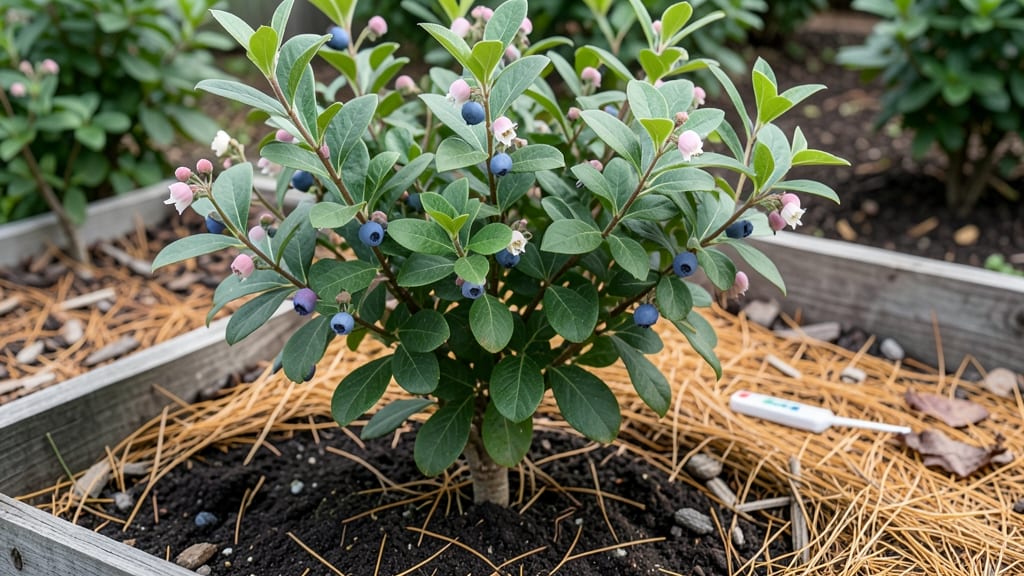
The ideal blueberry soil type is acidic with a pH between 4.5 and 5.5, featuring well-draining sandy loam or peat-based textures that prevent root rot while keeping moisture. Organic matter like pine needles or compost boosts growth conditions significantly.
Blueberries are picky about their growing environment, and soil acidity is the foundation of their success. 🌱 When soil pH drops below 5.5, essential nutrients like iron, manganese, and zinc become more available to the plant's roots—nutrients that are critical for vibrant foliage and sweet berries.
I've seen firsthand how a properly acidic soil can transform a struggling blueberry bush into a productive plant within a single season. The right texture isn't just about drainage; it's about creating an airy environment where roots can breathe while still holding enough moisture to prevent drought stress.
For gardeners working with existing soil, this means you might need to amend your garden beds with organic materials like sphagnum peat moss or sulfur to achieve the right balance.
The goal is to mimic the natural conditions blueberries thrive in—think of the acidic, well-draining soils found in their native habitats. Over time, maintaining this environment requires regular monitoring and occasional adjustments, especially if you're growing blueberries in containers or raised beds where soil composition can change more quickly.
💡 In This Article
- Why Acidic Soil Is Essential for Blueberry Growth
- How to Test and Adjust Blueberry Soil Conditions
Why acidic soil is essential for blueberry growth
Blueberries have evolved to thrive in acidic soils because their root systems rely on specific nutrients that only become bioavailable at low pH levels.
When soil pH drops between 4.5 and 5.5, essential micronutrients like iron, manganese, and zinc—crucial for chlorophyll production and enzyme function—dissolve in the soil solution and become accessible to roots.
For comparison, most garden soils sit around pH 6-7, where these nutrients bind tightly to soil particles and remain locked away. This nutrient availability directly impacts berry sweetness and plant vigor—studies show blueberries grown in properly acidic soil develop 20-30% more antioxidants than those in neutral pH conditions.
The chemistry behind this involves organic acids naturally produced by blueberry roots, which further acidify the rhizosphere (the soil zone immediately surrounding roots). These acids help chelate (bind) nutrients, making them even more plant-available.
The roots' ability to maintain this acidic environment is why blueberries often struggle in alkaline soils—when pH rises above 6.0, nutrient deficiencies appear first as yellowing leaves (chlorosis), then stunted growth, and finally poor fruit set.
I've noticed this pattern in my own garden: bushes planted in unamended garden soil (pH 6.8) produced tiny, tart berries, while those in amended acidic beds yielded large, sweet clusters.
Beyond nutrients, soil acidity affects microbial activity in the rhizosphere. Beneficial fungi like mycorrhizae—which form symbiotic relationships with blueberry roots—thrive in acidic conditions, enhancing nutrient uptake and drought resistance. These fungi help break down complex organic matter into forms the plant can absorb, creating a virtuous cycle.
The texture of acidic soils also plays a role: the ideal sandy loam or peat-based mix prevents compaction while maintaining moisture, as blueberry roots are particularly sensitive to waterlogged conditions that lead to root rot.
What most gardeners don't realize is how soil chemistry affects berry development at the cellular level. The low pH environment triggers specific metabolic pathways in blueberry plants that boost sugar production and reduce bitterness compounds.
This is why properly grown blueberries taste so distinctly sweet—it's not just about the growing conditions, but how those conditions interact with the plant's biochemistry. For example, the anthocyanins that give blueberries their deep color are synthesized more efficiently in acidic soils, resulting in richer pigmentation and flavor.
To visualize this, think of soil pH as a dial that controls a cascade of plant processes. At pH 5.5, you're in the sweet spot where:
- Nutrient availability is maximized for root uptake
- Microbial activity supports beneficial fungi
- Berry chemistry optimizes for sweetness and color
- Root health prevents diseases like phytophthora