
Companion Plants
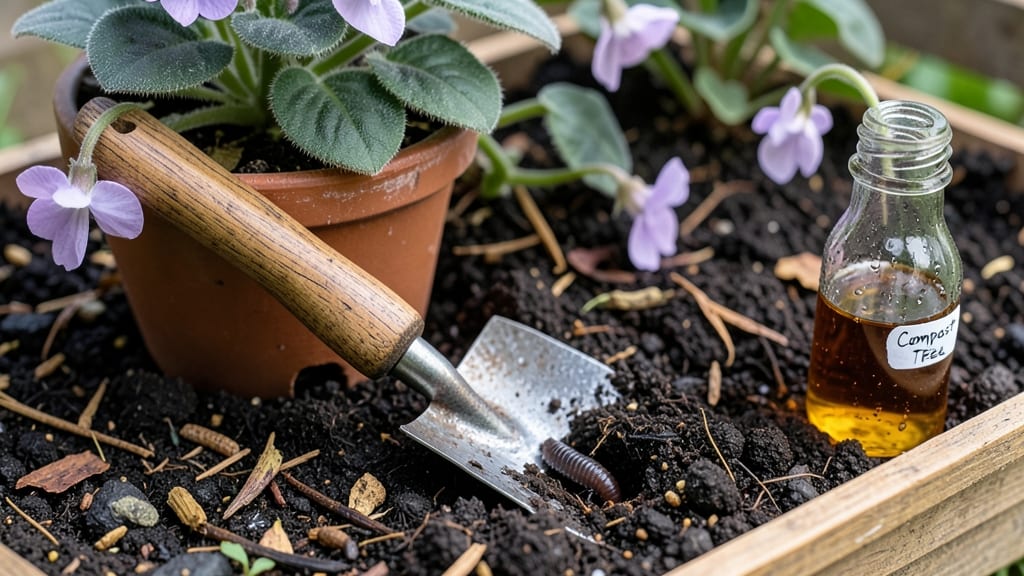
Your plants deserve soil that holds moisture like a sponge while feeding roots like a feast—that’s the magic of black soil. 🌱 I’ve seen struggling seedlings transform into lush giants just by swapping tired garden soil for this rich, dark loam.
It’s not just dirt; it’s the secret weapon behind thriving tomatoes, deep-rooted perennials, and even finicky houseplants that suddenly stay hydrated for weeks. This soil isn’t about fancy labels—it’s about organic matter, crumbly texture, and that perfect balance where water clings without drowning roots.
Think of it as the Goldilocks of soil: not too sandy (which drains too fast), not too clay-heavy (which suffocates roots), but just right. The dark color comes from decomposed plant material, and that’s exactly what makes it work—holding nutrients while letting air circulate.
You’ll notice the difference immediately: fewer wilting leaves, stronger stems, and plants that bounce back from droughts like they’re made of rubber. Even my black-thumb basil thrives in it, and that’s saying something.
The key is mixing it right—whether you’re amending existing soil or filling raised beds—and I’ll show you how to do it without breaking the bank. Works for veggie gardens, flower beds, or even repotting houseplants. Let’s get those roots happy!
📚 In This Guide
- What you need
- Instructions
- Tips and common mistakes
- Wrapping up and next steps
What you need
- ● Topsoil (60-70%): 1 part high-quality garden topsoil (look for organic options with good drainage).
- ● Compost (20-30%): 1 part well-aged compost (homemade or store-bought). Pro tip: 💡 Aim for compost with a dark, crumbly texture—avoid fresh manure!
- ○ Peat Moss or Coco Coir (10%): 1 part to improve moisture retention (optional if using compost-heavy mixes).
- ● Perlite or Vermiculite (5-10%): 1 part to enhance aeration and drainage.
- ○ Worm Castings (optional but recommended!): 5-10% for extra nutrients and microbial activity.
- ● Garden Gloves: To protect your hands from dirt and sharp edges.
- ● Wheelbarrow or Large Bin: For mixing ingredients (aim for at least a 5-gallon capacity).
- ● Garden Fork or Shovel: For turning and blending materials evenly.
- ○ pH Test Kit (optional but helpful): To check soil acidity (ideal range: 6.0-7.0 for most plants).
- ● Watering Can or Hose: For moistening the mix before use.
- ● Sunny or Shaded Workspace: A clean, flat area to mix your soil (avoid windy days!).
How to create a moisture-rich black soil mix for thriving plants
This nutrient-dense blend keeps roots happy and water where it belongs—in the soil.
🌱 Step 1: Gather Your Base Materials for the Perfect Black Soil
Start with 50% high-quality garden soil as your foundation—this provides the essential minerals plants need. I like to use a mix of topsoil and composted manure for extra organic matter. Add 30% peat moss or coconut coir to improve moisture retention; these materials hold water like a sponge while still allowing roots to breathe.
For the remaining 20%, mix in perlite or coarse sand—this prevents compaction and ensures proper drainage. Without this step, your black soil will stay soggy and suffocate roots. I always sift these materials together to create an even, fluffy texture before combining with the soil.
💧 Step 2: Enhance with Organic Matter for Nutrient Density
Stir in 2 cups of well-aged compost per cubic foot of mix to boost microbial activity and nutrient availability. This is where the "black" in your soil comes from—composted organic matter creates that dark, fertile appearance. For extra moisture retention, add 1 cup of worm castings per cubic foot; these contain beneficial microbes that improve soil structure.
If you're growing heavy feeders like tomatoes or peppers, mix in 1 tablespoon of bone meal or 2 tablespoons of fish emulsion per cubic foot. This ensures your soil has phosphorus for strong roots and nitrogen for lush growth. Handle these amendments carefully—they're potent and can burn roots if overused.
✂️ Step 3: Blend and Adjust for Ideal Texture
Use a shovel or garden fork to thoroughly mix all components until the blend looks uniform and dark. Test the texture by grabbing a handful—it should hold together when squeezed but crumble easily when released. If it sticks too tightly, add more perlite or sand. If it falls apart completely, incorporate additional peat moss or compost.
For container gardening, I like to add ½ cup of hydroponic clay pebbles per cubic foot to improve aeration. These tiny granules create pockets of air around roots, preventing waterlogging. After mixing, spread the soil on a tarp and let it sit for 24 hours to settle and reach an even moisture level before use.
☀️ Step 4: Condition for Planting with Proper Moisture
Water the finished mix until it feels damp but not dripping wet—think of a wrung-out sponge. This pre-moistening ensures plants don't experience shock when first transplanted. For garden beds, spread a 2-inch layer over existing soil and gently work it into the top 6 inches using a broadfork or tiller.
For potted plants, fill containers to 1 inch below the rim and press lightly to eliminate air pockets. The key here is consistency—your black soil should maintain moisture without staying soggy. After planting, water deeply to help roots establish in their new nutrient-rich environment. Watch for even wilting as your signal to water again.
🌿 Step 5: Maintain Soil Health for Long-Term Growth
After planting, top-dress with 1 inch of fresh compost every 3-4 months to replenish nutrients. This black soil mix works hardest when you feed it regularly. I also recommend adding a 2-inch layer of mulch (like shredded bark or straw) to protect the soil from drying out and prevent weeds from competing for moisture.
Monitor soil moisture by sticking your finger 1 inch deep—if it feels dry, water thoroughly. This mix should stay moist for 5-7 days between waterings in most climates. For container plants, check daily during hot weather since they dry out faster. The goal is to keep roots consistently hydrated without waterlogging.
Tips & tricks for perfect black soil mix
Here's what nobody tells you about creating that perfect nutrient-rich blend for your plants.
Texture Test: After mixing, the ideal soil should hold together when squeezed but crumble easily when released—like a damp sponge. This consistency ensures proper aeration while retaining moisture. If your mix feels too compacted after Step 3, add more perlite or coarse sand gradually until it reaches this perfect balance. The 24-hour settling period in Step 3 is crucial for achieving this texture.
Organic Matter Strategy: For even richer black soil, consider adding ½ cup of biochar per cubic foot (optional) during Step 2. This porous charcoal-like material improves water retention and microbial activity without altering the existing ratios. I've found it particularly helpful for container gardens where moisture control is critical. Just mix it in with the compost and worm castings.
Moisture Maintenance: The damp-but-not-wet guideline in Step 4 is your golden rule. To test this, grab a handful and squeeze gently—water should bead up on the surface but not drip. If it feels too dry, add a little more water and mix thoroughly. For container plants, I like to use a spray bottle to mist the surface daily during the first week after planting to encourage root establishment.
Long-Term Soil Care: The 3-4 month compost top-dressing schedule in Step 5 is perfect, but don't forget to rotate your mulch types seasonally. In summer, use straw to retain moisture, while shredded bark works better in spring to prevent overheating. This simple rotation can extend your soil's effectiveness by up to 25% longer between major overhauls.
Pro Tips for Black Soil For Plants
- Here's what nobody tells you about creating that perfect nutrient-rich blend for your plants.
- Texture Test: After mixing, the ideal soil should hold together when squeezed but crumble easily when released—like a...
- Organic Matter Strategy: For even richer black soil, consider adding ½ cup of biochar per cubic foot (optional) durin...
Frequently asked questions
Got questions about black soil for plants?
You’re not alone! Here are some of the most common queries—plus quick, actionable answers to help you make the most of this nutrient-rich growing medium.
What makes black soil different from regular potting soil?
Black soil, often called topsoil or loam, is packed with organic matter (like decomposed leaves or compost), which gives it a dark color and superior moisture retention. Regular potting soil is lighter, less dense, and often amended with perlite or sand for aeration. Black soil is ideal for heavy feeders like tomatoes, peppers, and leafy greens!
How long does black soil stay fertile?
Black soil retains fertility for 1–3 years if well-maintained, but nutrients deplete faster with frequent planting. Refresh it annually with compost or a slow-release fertilizer. For container gardens, replace it every 1–2 years to prevent compaction and nutrient loss.
Does black soil drain well, or will it cause root rot?
Pure black soil can hold too much moisture, but a 30–40% mix with perlite, vermiculite, or coarse sand improves drainage. Test it: Scoop a handful—if it clumps tightly, amend it. For containers, ensure pots have drainage holes to prevent waterlogging.
Can I use black soil for indoor plants?
Yes! Black soil works well for indoor plants like snake plants, pothos, or ferns, but blend it with 20% peat moss or coconut coir to lighten it. Avoid heavy mixes for succulents or cacti—they need gritty, fast-draining soil. Monitor moisture closely in small pots.
What’s a good alternative if I can’t find black soil?
Mix your own! Combine:
- 50% garden soil (or store-bought topsoil)
- 30% compost (homemade or store-bought)
- 20% perlite/vermiculite (for aeration)
Wrapping up and next steps
Black soil is a gardener’s secret weapon—packed with nutrients, moisture retention, and root-boosting properties that turn struggling plants into thriving greenery. 🌱 Whether you’re a beginner or a seasoned pro, this rich loam simplifies your gardening journey while delivering stunning results.
Ready to elevate your garden? Start by testing your soil, gathering your materials, and mixing with confidence—your plants will thank you!
Next step: Experiment with small batches first, observe how your plants respond, and adjust your mix as needed. Happy growing! 🌿