
How To
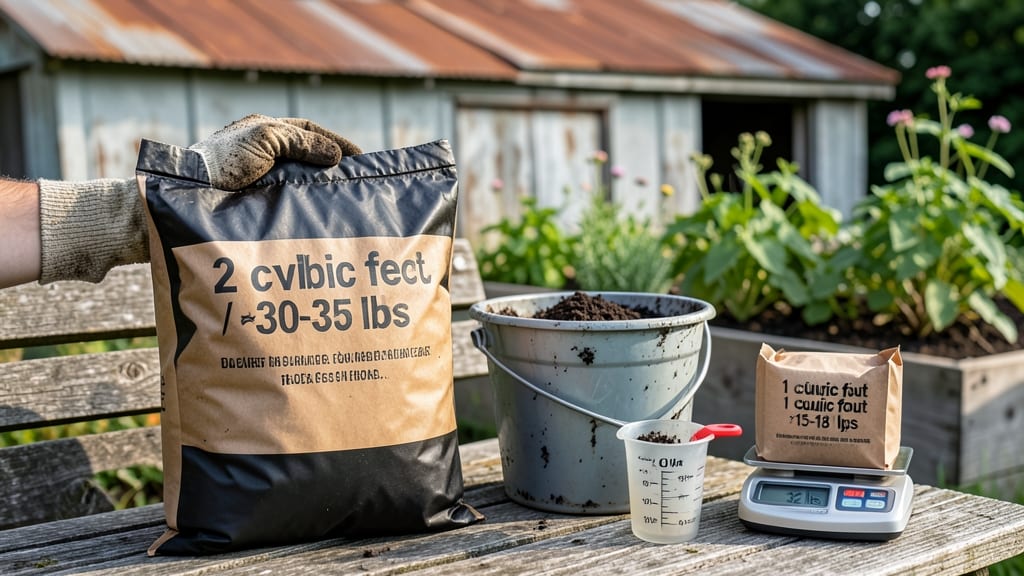
A 2 cu ft potting soil bag's weight typically ranges between 40 and 60 pounds when dry, depending on the mix composition. Wet or moistened soil can add 10-20 pounds more due to water absorption. Always check the label for exact weight specifications before lifting or transporting.
A 2 cu ft potting soil bag can feel surprisingly heavy when you first pick it up, especially if it's packed with moisture or contains dense organic materials like peat moss.
The weight variation comes from the mix's ingredients—soils with higher organic content (like compost or coconut coir) tend to be lighter than those packed with inorganic materials such as perlite or vermiculite. 🌱 For example, a bag labeled "lightweight mix" might weigh closer to 40 pounds, while a heavier blend could approach 60 pounds when dry.
Understanding this helps you plan for safe lifting and storage, especially when dealing with multiple bags.
Most gardeners underestimate how much a single bag weighs, which can lead to back strain or awkward handling. I always recommend using a wheelbarrow for transporting multiple bags or checking the manufacturer's weight guidelines before attempting to lift.
Pro tip: If you're working with wet soil, let it dry slightly before moving it—even a small reduction in moisture can make a noticeable difference in weight.
💡 In This Article
- Factors Affecting 2 Cu Ft Potting Soil Weight
- Best Practices for Handling Heavy Potting Soil Bags
Factors affecting 2 cu ft potting soil weight
The weight of a 2 cubic foot potting soil bag isn't just about volume—it's a science of composition. Organic materials like peat moss or coconut coir create lighter mixes (typically 40-45 pounds dry), while inorganic additives such as perlite or sand increase density (pushing weights toward 55-60 pounds).
The difference comes from particle density: organic matter has air pockets that reduce overall mass, while minerals pack tightly. 🌱
Moisture content is the wild card here. A dry bag might weigh 45 pounds, but after watering, that same volume can swell to 55 pounds as capillary action fills the pores. This is why "lightweight" mixes often include moisture-retentive ingredients like sphagnum moss—it holds water without adding much weight.
Conversely, blends with high clay content (common in garden soils) can weigh 20% more when saturated, making them feel like lead.
Compaction during manufacturing plays a surprising role too. Some brands compress soil to save space, which can increase weight by 5-10 pounds per bag. You'll notice this when comparing fluffy, loose mixes to the denser, block-packed varieties.
The trade-off? Compacted soil often drains slower, which affects plant root development. For container gardening, I always opt for less compressed mixes—they're easier to work with and reduce waterlogging risks. ✨
Composition variations extend to specialty mixes. Seed-starting blends with fine vermiculite might weigh 38-42 pounds dry, while cactus/succulent mixes with added grit can hit 50+ pounds. The key is checking the ingredient list: peat-based soils are lighter, while mineral-heavy mixes demand more effort to move.
This is why professional growers use forklifts for bulk orders—what seems manageable in a 2 cu ft bag becomes a challenge at scale.
Temperature also sneaks into the equation. Cold soil (like winter-stored bags) feels heavier because water molecules contract, increasing density. In summer, the same bag might weigh 5% less due to expanded air pockets. This seasonal variation explains why spring planting often feels more labor-intensive than fall prep. 🌡️
Here's a quick comparison of common mix types and their typical weights:
- Peat-based mixes: 40-45 lbs dry (adds 10-15 lbs when wet)
- Coir blends: 42-48 lbs dry (more stable weight when moist)
- Garden soil mixes: 50-60 lbs dry (heaviest when saturated)
- Seed-starting mixes: 38-42 lbs dry (lightest but most delicate)