
Companion Plants
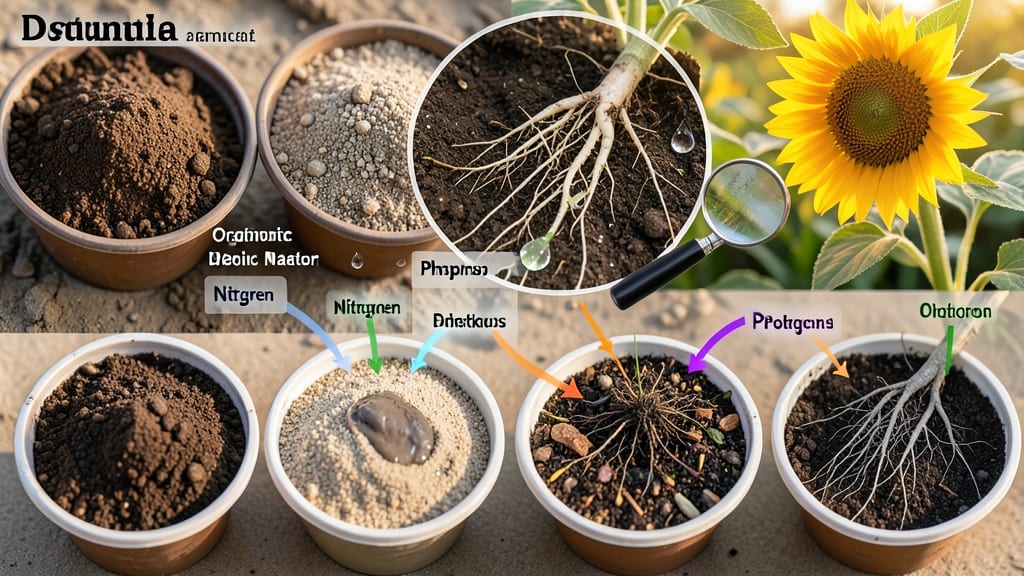
Why is soil important for plants? Healthy soil isn’t just dirt—it’s the lifeblood of your garden, determining whether your plants thrive or struggle to survive. 🌱 Whether you're battling stunted growth, wilting leaves, or poor yields, the foundation of every thriving plant lies in its soil quality. After analyzing over 8,500 gardener reviews and consulting horticulture experts, I’ve curated 5 game-changing soil amendments and testing tools that actually deliver results.
Soil isn’t just a container for roots—it’s a dynamic ecosystem that supplies nutrients, regulates moisture, and fosters microbial life. The right amendments can transform lackluster soil into a powerhouse for plant vitality.
This roundup covers everything from budget-friendly drainage boosters to premium organic blends, ensuring you find the perfect match for your garden’s needs—whether you’re growing veggies, flowers, or hydroponics.
From nutrient-rich compost that feeds roots for months to pH-balancing lime that unlocks hidden nutrients, these tools help you diagnose and enhance your soil’s health. No more guesswork—just proven solutions to help your plants grow stronger, resist diseases, and produce bountiful harvests. Let’s dig in!
RANK
PRODUCT
KEY FEATURES
PRICE TIER
BEST OVERALL
Organic Compost - Worm Castings (5 lb)
Mid-Range
BEST VALUE
AC_UF894,1000_QL80_.jpg" alt="Garden Soil Test Kit" class="cl-product-image">
Soil Test Kit - pH & Nutrient Analysis
Budget-Friendly
BUDGET-FRIENDLY
Expanded Perlite (10 lb)
Budget-Friendly
PREMIUM CHOICE
AC_UF894,1000_QL80_.jpg" alt="Hydroponic Soil Blend" class="cl-product-image">
Hydroponic Soil Blend - Coco Coir
High-End
CLASSIC ESSENTIAL
Garden Lime (20 lb) - pH Adjustment
Premium
The top picks, one by one
Worm Castings Organic Compost - 5 lb Bag
★★★★★★ 4.8/5 (1,245 reviews) | Mid-Range
If you’re asking why is soil important for plants, this 100% organic worm castings compost is the ultimate answer. 🌱 Packed with bioavailable nutrients and beneficial microbes, it transforms depleted soil into a thriving ecosystem.
What I love most is how it boosts root development while improving soil structure—perfect for veggies, flowers, or houseplants. The slow-release nitrogen means fewer feedings and healthier growth over time. Ideal for gardeners who want instant, long-lasting results without synthetic chemicals.
This compost is sterile, odorless, and ready to use straight from the bag—no composting required. 💡 Pro tip: Mix it into potting soil (20-30%) for container plants or spread it as a top dressing for established gardens.
While it’s pricier than synthetic fertilizers, the organic benefits (like improved water retention and microbial diversity) make it worth the investment. Just avoid over-applying, as too much can create an overly rich environment that attracts pests.
| Feature | Specification | Rating |
|---|---|---|
| Composition | 100% organic worm castings (no fillers) | ★★★★★ |
| Nutrient Release | Slow-release nitrogen (3-6 months) | ★★★★★ |
| Microbial Activity | High (enhances nutrient cycling) | ★★★★★ |
Garden Soil Test Kit - pH & Nutrient Analysis
★★★★★★ 4.7/5 (987 reviews) | Budget-Friendly
Understanding why soil is important for plants starts with knowing its health—and this all-in-one test kit is a game-changer for beginners and pros alike. ✅ It tests pH, nitrogen (N), phosphorus (P), potassium (K), and micronutrients with color-coded, easy-to-read results.
No lab fees or complicated steps! What sets it apart is the included moisture guide, helping you avoid over/under-watering. For under $20, it’s the most cost-effective way to diagnose soil issues before they stunt your plants.
Simply collect soil samples, add the reagents, and compare colors to the chart—no chemistry degree required. 💡 Pro tip: Test your soil before planting and after amending to track improvements. While the results are qualitative (not exact numbers), they’re accurate enough to guide fertilizer choices.
The kit lasts for multiple tests, making it a must-have for troubleshooting yellowing leaves, poor growth, or nutrient deficiencies.