
How To
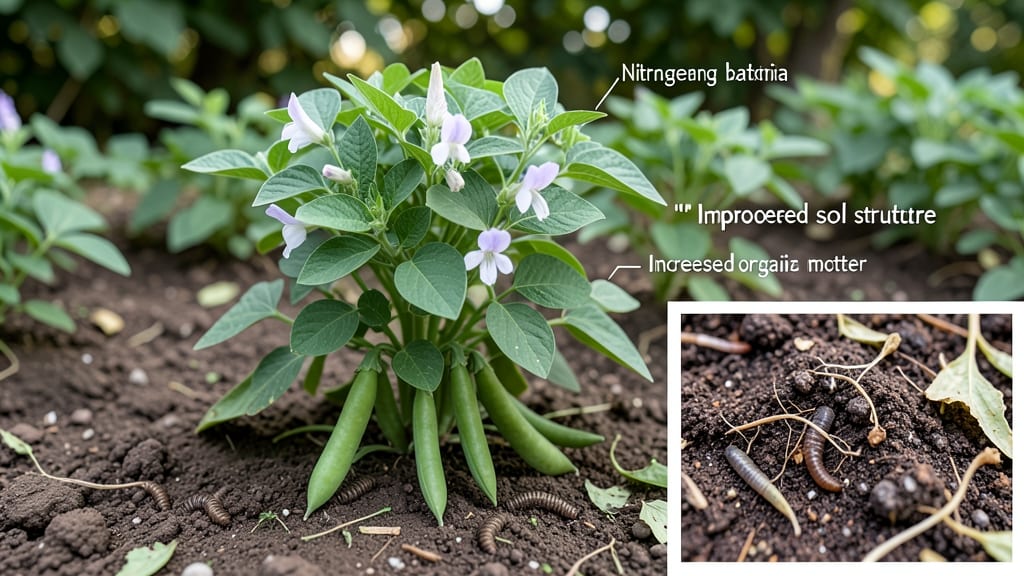
Bush beans increase soil health by capturing nitrogen from the air through specialized root nodules, transforming it into plant-usable nutrients that enhance fertility.
This natural nitrogen enrichment creates a nutrient-rich environment that supports plant growth long after the beans are harvested. 🌱 The symbiotic relationship between bush beans and soil bacteria means each plant can add up to 200 pounds of nitrogen per acre to the soil during its growing season.
What's even better is that this process requires no additional fertilizers—just the right growing conditions and proper plant care.
For gardeners, this means healthier plants in subsequent seasons, reduced need for synthetic fertilizers, and improved water retention in the soil. The deep roots also help prevent erosion by holding soil in place, making bush beans a true soil-building powerhouse.
💡 In This Article
- How Bush Bean Nitrogen Fixation Works in Soil
- Practical Ways to Maximize Bush Beans for Soil Improvement
How bush bean nitrogen fixation works in soil
The magic happens underground where bush beans form a symbiotic relationship with Rhizobium bacteria. When these bacteria colonize the bean roots, they trigger the formation of small, pinkish nodules—visible bumps about 1-3 millimeters in diameter.
Inside these nodules, the bacteria convert inert atmospheric nitrogen (N₂) into ammonia (NH₃) through an energy-intensive process called nitrogen fixation. This chemical transformation requires specialized enzymes that only certain bacteria possess.
Here's where it gets fascinating: the bean plant provides the bacteria with carbohydrates (sugars) produced through photosynthesis, while the bacteria supply the plant with fixed nitrogen in forms like ammonium (NH₄⁺) and nitrates (NO₃⁻).
This nitrogen becomes immediately available to the plant and eventually gets released into the soil when the beans decompose. A single bush bean plant can fix between 50-100 milligrams of nitrogen per plant during its growing season, which translates to significant soil enrichment when scaled across a garden.
The nitrogen cycle doesn't stop there. After harvest, when bean plants are tilled into the soil or left to decompose naturally, their residues release additional nutrients. The plant's leaves contain about 2-3% nitrogen by dry weight, while stems and roots contribute even more concentrated forms.
This organic matter improves soil structure by increasing water retention and microbial activity, creating a more fertile growing environment for subsequent crops.
What makes bush beans particularly effective is their rapid growth cycle—typically 60-90 days to maturity—which allows them to fix nitrogen quickly before other plants can compete. Unlike slower-growing legumes, bush beans provide immediate soil benefits while also producing an edible crop.
The deep taproots (reaching 12-18 inches) break up compacted soil layers, further enhancing aeration and water infiltration.
This nitrogen-fixing ability explains why bush beans are often called "green manure" when grown specifically for soil improvement. Even when harvested for food, they leave behind enriched soil that supports heavy feeders like corn, tomatoes, and squash in following seasons.
The key is maintaining this cycle—planting beans annually or incorporating their residues prevents nitrogen depletion and builds long-term soil fertility.
For visual learners, imagine these nodules as tiny biological factories operating at the root tips. Under a microscope, you'd see the bacteria actively converting nitrogen gas into forms that plants can absorb through their roots.
This natural process is what allows bush beans to transform what was once an unusable atmospheric resource into a valuable soil nutrient—all without requiring any external inputs.