
How To
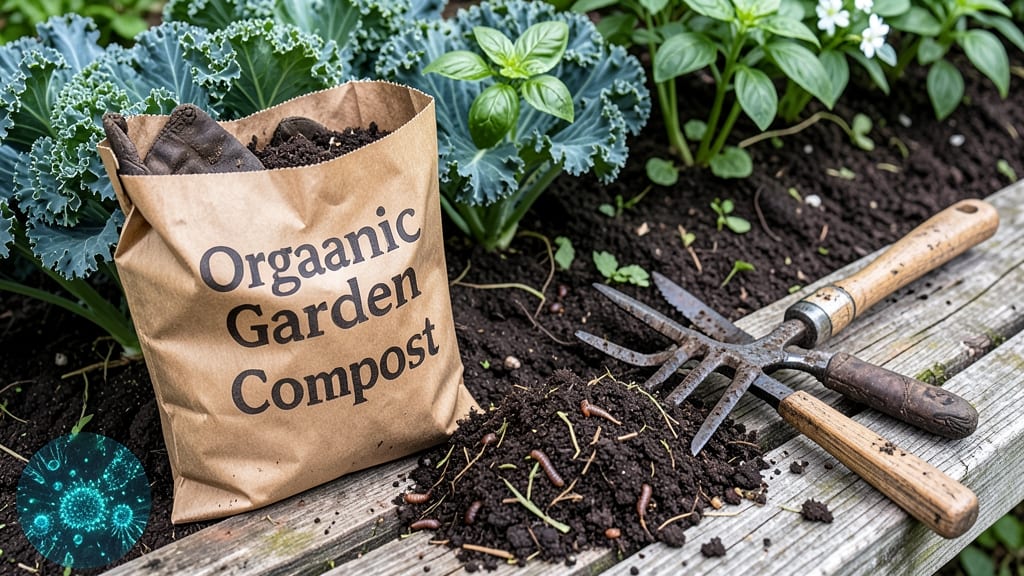
For soil enrichment, the recommended organic compost is your secret weapon—think of it as a microbe-powered boost for roots and nutrients.
Struggling with poor soil quality? The right organic compost can transform your garden into a thriving ecosystem—boosting plant growth by up to 30% while improving nutrient retention and microbial activity.
Not all compost is created equal, though. Some break down too quickly, while others lock up nutrients your plants can’t access. This guide cuts through the confusion, showing you how to pick the best organic compost for your specific plants and soil type.
You’ll learn the top 5 compost types for enrichment, how to blend them for maximum impact, and exactly how much to use—so you can skip the guesswork and get straight to healthier soil and stronger plants.
Top 5 organic compost types for soil enrichment and microbial growth
If you're looking to transform your garden soil into a nutrient-rich haven, the right organic compost is your secret weapon. I've spent years experimenting with different compost types, and the results speak for themselves—healthier plants, better microbial activity, and soil that practically hums with life.
The key is understanding which compost types deliver the most benefits for your specific needs, from worm castings to biochar blends.
Not all composts are created equal. Some focus on immediate nutrient boosts, while others improve soil structure over time. For example, worm castings are packed with microbes and enzymes that break down nutrients into forms plants can use instantly.
Meanwhile, biochar enhances soil's ability to retain water and nutrients for months. Let’s dive into the top 5 organic compost types that will supercharge your soil’s microbial life and nutrient density.
Why microbial growth matters: Healthy soil microbes act like tiny superheroes, breaking down organic matter, suppressing plant diseases, and making nutrients available to your plants. A single teaspoon of rich compost can contain billions of beneficial microbes. The right compost will turn your garden into a self-sustaining ecosystem where plants thrive with minimal effort.
Here’s a quick comparison of the best organic compost types for soil enrichment, so you can choose what works best for your garden’s unique needs:
| Compost Type | Key Benefits | Best For | Application Rate | Microbial Activity |
|---|---|---|---|---|
| Worm Castings | High in nitrogen, enzymes, and microbes; improves soil structure | Seedlings, container plants, and nutrient-deficient soil | 1 cup per 5 sq ft or 1 lb per 100 sq ft | ⭐⭐⭐⭐⭐ (Extremely high) |
| Coconut Coir | Retains moisture, improves aeration, and balances pH | Potted plants, seed starting, and sandy soils | Mix 20-30% into potting soil or top-dress | ⭐⭐⭐⭐ (High) |
| Kelp Meal | Rich in potassium, trace minerals, and growth hormones | Vegetables, fruits, and stressed plants | 1 tbsp per sq ft or 1 lb per 100 sq ft | ⭐⭐⭐⭐ (High) |
| Biochar Blends | Enhances soil porosity, retains water, and stores carbon | Heavy clay soils, drought-prone areas, and long-term fertility | 10-20% by volume mixed into soil | ⭐⭐⭐ (Moderate to high) |
| Leaf Mold | Improves soil structure, retains moisture, and adds humus | Perennials, lawns, and garden beds | 2-3 inches spread over soil surface | ⭐⭐⭐⭐ (High) |
Let’s start with worm castings, often called "black gold" for a reason. These are the nutrient-rich droppings from earthworms and are one of the fastest ways to boost microbial activity in your soil.
I’ve seen seedlings grow twice as fast when transplanted into soil amended with worm castings. They’re also gentle enough for container gardening and delicate plants like herbs and lettuce.
Coconut coir is another game-changer, especially if you struggle with moisture retention or compacted soil. Made from coconut husks, it’s a sustainable alternative to peat moss and holds up to 10 times its weight in water. I use it in my potted basil and peppers to keep roots consistently hydrated without overwatering. It also improves aeration, which is crucial for root health.
For plants that need a quick nutrient kick, kelp meal is my go-to. It’s packed with potassium and trace minerals that help plants resist stress and diseases. I’ve noticed a significant improvement in tomato yields and fruit quality when using kelp meal during the growing season.
It’s also a great option for organic gardeners who want to avoid synthetic fertilizers.
Biochar blends might sound like a modern invention, but they’ve been used for centuries to improve soil fertility. Made from charred organic matter, biochar increases soil porosity, allowing roots to breathe better and water to drain more efficiently. I’ve used it in my heavy clay soil to reduce compaction and improve drainage. It also helps lock in nutrients, reducing the need for frequent fertilizing.
Finally, leaf mold is a classic compost type that
How to choose the best organic compost for your specific plants
Not all organic compost is created equal—and your tomatoes or roses won’t thrive with the wrong type. The key lies in matching your plants' needs with compost properties like pH balance, nutrient release rate, and texture.
For example, acid-loving blueberries need compost with a pH of 4.5-5.5, while vegetables like peppers prefer a neutral 6.0-7.0. Let’s break down the best compost types for your garden’s stars.
Start by testing your soil’s current pH and nutrient levels—most garden centers offer affordable kits. If your soil is sandy and drains too fast, opt for compost with higher organic matter like leaf mold or well-aged manure.
For clay-heavy soil, lighter, peat-based compost or coconut coir improves aeration. Your plant’s growth stage also matters: seedlings benefit from light, crumbly compost, while mature fruit trees need deeper, nutrient-dense amendments.
- Vegetables (Tomatoes, Peppers, Lettuce)
- Recommended Compost: Worm castings + kelp meal (pH 6.0-7.0, high nitrogen for leafy greens)
- Why? Fast nutrient release for quick-growing veggies and improves moisture retention
- Flowers (Roses, Hydrangeas, Lavender)
- Recommended Compost: Composted hardwood + alfalfa meal (pH 5.5-6.5, slow-release nutrients)
- Why? Encourages root development and bloom longevity in perennials
- Fruit Trees (Apples, Citrus, Berries)
- Recommended Compost: Biochar + composted cow manure (pH 6.0-7.5, deep nutrient storage)
- Why? Improves soil structure for deep roots and fights fungal diseases
Avoid compost with high salt content (like fresh manure) for sensitive plants like azaleas or blueberries. Instead, use well-aged compost or peat moss blends to prevent root burn.
For container gardens, mix compost with potting soil in a 30-40% ratio to prevent compaction. Always water compost before applying to avoid disrupting soil microbes.
Pro tip: Top-dress established plants with a 1-inch layer of compost in early spring and fall. For newly planted perennials, blend compost into the top 6-8 inches of soil at planting time.
This mimics nature’s slow-release system, feeding roots over months—not just weeks. Your plants will reward you with vibrant growth and bigger harvests!
Remember, the best compost for your garden is plant-specific. Start small—test a 10-square-foot patch with different compost types to see what works best for your soil and climate. Happy enriching! 🌱