
Pests
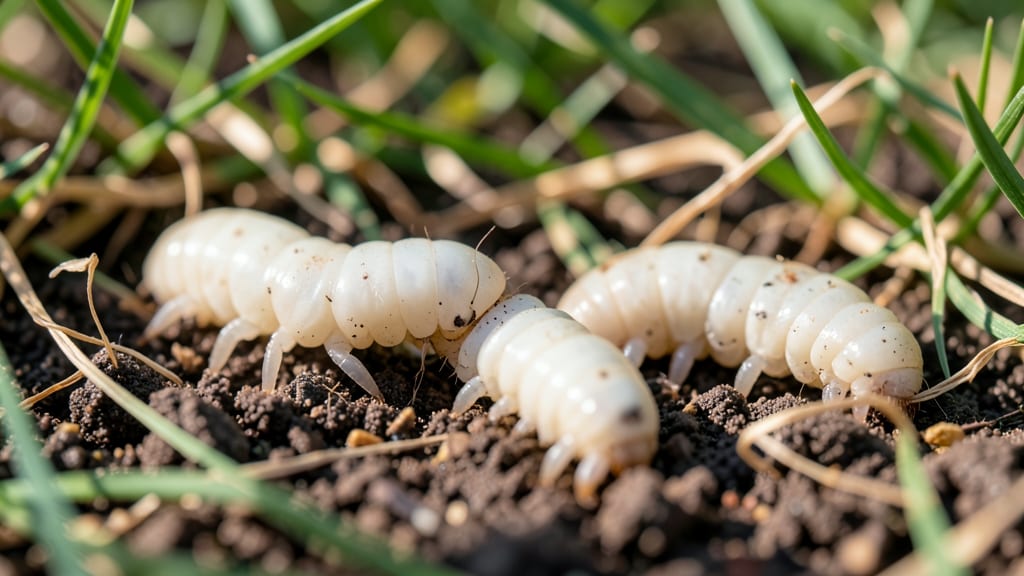
White grubs in soil are good or bad—it depends on their numbers and how they’re affecting your garden. 🌱 I’ve dug up enough of these C-shaped larvae to know they can turn a thriving lawn into a patchwork of brown spots overnight, but they’re also part of nature’s recycling crew, breaking down organic matter.
The key? Spotting the difference before they become a full-blown problem.
Most gardeners assume all white grubs are bad, but the truth is more nuanced. A few here and there? They’re nature’s composters, munching through dead roots and leaf litter. Too many? They’ll devour your grass roots, leaving behind a spongy, easily pull-up mess.
The damage starts when their populations explode—usually after a warm, wet spring—so knowing what to look for (and when) is your first line of defense.
You’ll learn to tell friend from foe by checking for chewed roots, grubs hiding under sod, or birds digging them up like nature’s snack. Prevention is simple: encourage predators like toads and birds, aerate your soil, and avoid overwatering.
If they’re already wreaking havoc, natural fixes like beneficial nematodes or milky spore can save your lawn without harsh chemicals.
The best part? Once you understand their life cycle, you’ll spot them before they cause real damage. No more guessing—just confident gardening. Let’s get started with the signs, solutions, and secrets to keeping your soil (and your sanity) intact.
What Triggers White Grub Populations
White grubs—those squiggly, C-shaped larvae of beetles—aren’t just random soil invaders. Their presence is often the result of specific conditions that turn your lawn or garden into their perfect buffet.
Understanding these triggers can help you predict, prevent, or even leverage their activity (yes, there’s a silver lining!). Here’s why these critters show up when they do.
White grubs thrive in soil that’s too moist or poorly aerated. Here’s why:
- Excess moisture: Grubs need oxygen, but soggy soil forces them to burrow deeper, where they’re harder to spot—and more damaging to roots. Overwatering (especially in clay-heavy soils) creates the ideal low-oxygen environment for their survival.
- Compacted ground: Heavy foot traffic, machinery, or even natural soil settling reduces pore space. Grubs can’t escape predators (like birds or beetles) and gnaw on roots with impunity. Think of it like a fortress with no exits.
- Thatch buildup: A thick thatch layer (dead grass, roots) traps moisture and blocks beneficial microbes, giving grubs a shield against natural enemies.
Actionable fix: Test your soil’s drainage (stick a screwdriver in—if it’s hard to push past 3 inches, it’s compacted). Aerate in fall or spring and reduce irrigation to 1 inch per week (including rain).
Grubs are detritivores, meaning they feast on decomposing plant material. The more organic debris in your soil, the more appealing it becomes:
- Freshly tilled soil: Turning over garden beds exposes hidden grubs to new food sources (like grass roots or compost). Pro tip: If you’re amending soil, do it in small sections and avoid tilling in fall (peak grub season).
- Compost piles near lawns: While compost is great for plants, it’s also a magnet for grub parents (adult beetles). They lay eggs in the rich, moist soil nearby.
- Dead grass clippings: Leaving thick layers of clippings after mowing creates a grub-friendly mat. ✨ Pro tip: Mulch clippings thinly (¼ inch) or bag them to break the cycle.
White grubs don’t appear out of nowhere—they’re the larval stage of beetles like Japanese beetles, June bugs, or chafers. Their lifecycle is the real culprit:
- Timing matters:
- Japanese beetles: Lay eggs in July–August in warm, moist soil. Larvae hatch in 10–14 days and overwinter.
- June bugs: Eggs are laid in late summer near grass roots; larvae emerge in fall.
- Chafers: Peak egg-laying is in June–July, with larvae appearing by August.
- Beetle preferences: Adults are drawn to healthy, lush lawns (they feed on leaves first, then lay eggs in the roots). 💡 Did you know? A single female Japanese beetle can lay 40–60 eggs—that’s 60 future grubs per mom!
Actionable fix: Monitor adult beetle activity in late summer (they’re most active at dusk). Use traps sparingly (they can attract more beetles) or opt for neem oil sprays to deter adults before they lay eggs.
Grubs are cold-blooded—they’re highly sensitive to temperature. Here’s how heat plays a role:
- Overwintering survival: In cooler climates, grubs burrow deep (up to 8 inches) to avoid freezing. If winters are too mild, they stay active longer, extending their root-munching season.
- Spring warmth: As soil temps rise above 50°F (10°C), grubs become more active and hungry. This coincides with new grass growth—their favorite snack.
- Urban heat islands: Pavement and buildings can raise soil temps by 10–15°F, creating microclimates where grubs thrive year-round in some regions.
Actionable fix: In fall, reduce irrigation to harden soil slightly (grubs hate dry spells). In spring, avoid heavy watering until soil warms consistently above 55°F (13°C).
Ironically, healthy lawns attract more grubs because they’re packed with tender roots. Here’s the connection:
- Fertilizer overuse: Excess nitrogen makes grass soft and sweet, a grub’s dream. 🔥 Watch out: Fast-release fertilizers (like synthetic blends) spike grub activity.
- Weak or stressed grass: Drought, disease, or poor soil can make grass more susceptible to grub damage. Think of it like a buffet with no security guards.
- Monoculture lawns: Grass-only landscapes provide no natural predators (like ground beetles or birds) to keep grub populations in check.
Actionable fix: Use slow-release, organic fertilizers (like compost tea) and diversify your lawn with clover or deep-rooted plants to disrupt grub cycles.
How to Fix White Grub Problems
White grubs may seem like a nuisance, but with the right approach, you can manage—or even prevent—them without harming your garden’s health. Below are targeted solutions based on the root cause of your grub issue, from quick fixes to long-term prevention.
When white grubs are chewing through roots or lawns, act fast to minimize damage.
🍳 Short-Term Rescue: Manual Removal
- Inspect the soil – Dig up small sections of soil (6–8 inches deep) to spot grubs. Look for C-shaped larvae (1–1.5 inches long).
- Handpick or flush them out – Use a trowel to scoop them into a bucket of soapy water (grubs drown quickly). For large areas, water the lawn heavily in the evening—grubs will rise to the surface, making them easier to collect.
- Replace the soil – Fill holes with fresh soil and water lightly to help roots recover.
✨ Pro Tip: Do this in the late afternoon when grubs are near the surface but before birds or predators can find them.
👨🍳 Chemical Control (Last Resort)
If manual removal isn’t enough, use targeted pesticides—but sparingly.
| Method | How to Use | Safety Notes |
|---|---|---|
| Nematodes (Beneficial) | Apply Heterorhabditis bacteriophora nematodes to soil in early evening. | Non-toxic to plants; reapply after rain. |
| Imidacloprid Granules | Sprinkle granules over lawn/soil, water in. Follow label rates. | Avoid overuse—can harm bees. |
| Milky Spore (Long-Term) | Mix Bacillus popilliae into soil in spring. Takes 2–3 years to establish. | Best for Japanese beetle grubs. |
💡 Warning: Avoid broad-spectrum pesticides like carbaryl—they kill beneficial insects too.
Grubs aren’t always pests—they can improve soil by breaking down organic matter. Balance their presence with these soil-friendly fixes.
🥘 Improve Drainage & Aeration
- Test soil moisture – Grubs thrive in compacted, waterlogged soil. Use a trowel to check drainage after rain.
- Aerate annually – Rent a core aerator (or spike shoes for small areas) to reduce compaction.
- Add organic matter – Mix in compost or aged manure (1–2 inches) to encourage microbial activity that naturally controls grub populations.
🌡️ Pro Tip: Overwatering? Adjust to deep, infrequent watering (1 inch per week) to deter grub activity.
🎯 Encourage Natural Predators
Instead of fighting grubs, support their predators:
- Birds (robins, skunks, moles) – Leave some grubs for them! Add a shallow birdbath to attract helpers.
- Ground beetles – Plant dill, fennel, or marigolds to attract them.
- Parasitic wasps – Avoid pesticides to let them thrive.
Stop grubs before they start with these low-effort habits:
- Mow high – Keep grass at 3–4 inches to shade soil and deter egg-laying by beetles.
- Remove thatch – Use a rake to break up the layer of dead grass where beetles lay eggs.
- Plant grub-resistant grasses – Try tall fescue, Kentucky bluegrass, or buffalo grass (less appealing to beetles).
- Fall is key – Japanese beetle grubs hatch in late summer/fall. Apply milky spore or nematodes in September.
🔪 Avoid these mistakes:
- ❌ Over-fertilizing with nitrogen (attracts beetles).
- ❌ Skipping soil tests (pH >7.5 discourages grubs, but <6.0 invites fungal issues).
Final Thought: White grubs aren’t all bad—they’re nature’s recyclers. Balance their presence with smart garden care, and you’ll keep your soil (and plants) happy! 🌿
Frequently asked questions
Are white grubs ever beneficial for gardens?
In small numbers, white grubs actually help break down organic matter in the soil, acting like tiny recyclers. They decompose dead roots and leaf litter, which can improve soil structure. However, their benefits disappear when they multiply—too many grubs mean root damage and struggling plants.
How do I tell if my lawn has a white grub problem?
Look for spongy patches that pull up easily, birds digging in your lawn (they’re eating grubs), or yellowing grass despite regular watering. Dig up a small section—if you find more than 5–10 grubs per square foot, it’s time to act.
What’s the best time of year to treat for white grubs?
Fall (September–October) is ideal because grubs are young and vulnerable. Japanese beetle grubs hatch in late summer, making early fall the perfect window for treatments like nematodes or milky spore. Spring treatments work too, but grubs are deeper in the soil then.
Will over-the-counter grub killers harm my plants or pets?
Some chemical treatments (like carbaryl) can harm beneficial insects and pets if not used carefully. Opt for beneficial nematodes or milky spore—they target grubs without harming other soil life. Always follow label instructions and keep pets off treated areas for 24–48 hours.
Can I use coffee grounds to deter white grubs?
Coffee grounds can help slightly by improving soil microbes, but they’re not a reliable grub deterrent. For better results, focus on aerating soil, reducing thatch, and encouraging natural predators like birds and ground beetles. Coffee grounds work best as a soil amendment, not a pest control.