
Fertilization
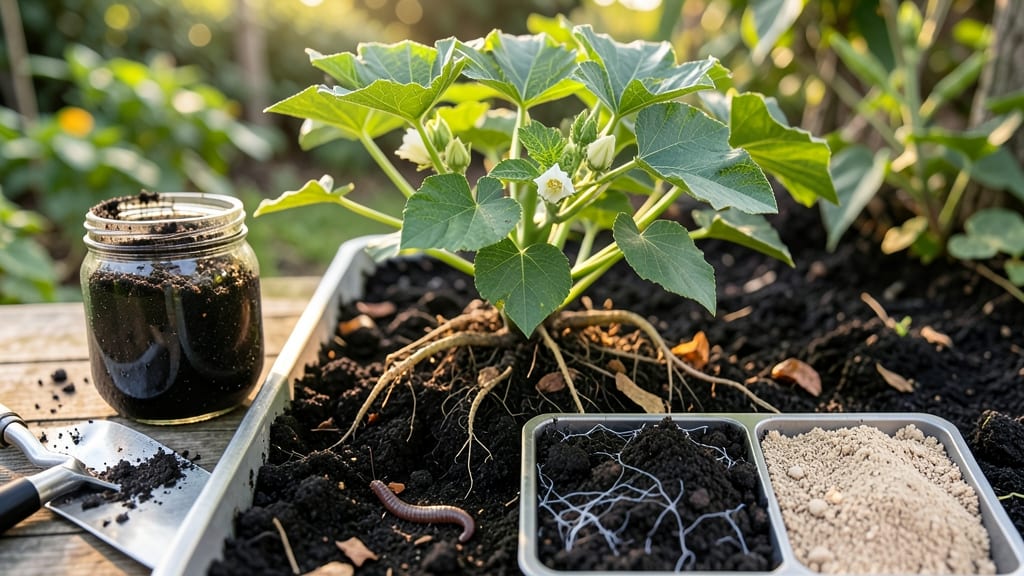
Black soil is rich in organic matter, essential minerals like potassium and phosphorus, and micronutrients such as iron and magnesium, making it ideal for nutrient-dense plant growth and microbial activity.
Black soil gets its reputation from its high concentration of decomposed plant material, often called humus, which acts like a natural fertilizer. 🌱 The combination of clay, silt, and sand creates a perfect balance for retaining moisture while allowing roots to breathe.
This nutrient-packed profile supports everything from leafy greens to fruit-bearing plants, giving gardeners a head start on healthy growth without heavy amendments.
What makes black soil particularly valuable is its ability to sustain microbial life—tiny organisms that break down nutrients into forms plants can absorb. Unlike lighter soils, black soil's dark color comes from its carbon-rich composition, which improves soil structure and water retention over time.
For gardeners, this means fewer fertilizers and more consistent yields, especially for nutrient-hungry crops like tomatoes and corn.
💡 In This Article
- Key Organic and Mineral Components in Black Soil
- Best Plants Thriving in Nutrient-Rich Black Soil
Key organic and mineral components in black soil
Black soil's nutrient richness starts with its high organic matter content, primarily humus—partially decomposed plant material that acts like a slow-release fertilizer. This dark, crumbly substance contains 10-20% organic carbon, far exceeding typical garden soils (usually 2-5%).
The decomposition process releases essential nutrients while improving soil structure, creating tiny air pockets that roots need to breathe. 🌱
Minerally, black soil typically contains 20-30% clay, which holds nutrients and moisture, combined with 40-50% silt for ideal water retention and 20-30% sand to prevent compaction. This perfect triad creates a "loamy" texture that's crumbly when dry but holds moisture without becoming soggy.
The clay minerals also carry negative charges that attract positively charged nutrients like calcium and magnesium, making them more available to plants.
The real magic happens at the microscopic level. Black soil hosts millions of microbes per gram, including bacteria and fungi that break down organic matter into plant-accessible forms. These microorganisms thrive in the neutral-to-slightly-acidic pH range (6.0-7.0) typical of black soil, creating a self-sustaining nutrient cycle.
Without this microbial activity, plants would struggle to access even the most abundant minerals in the soil.
Let's talk about those critical minerals: black soil is particularly rich in potassium (essential for root development and disease resistance) and phosphorus (crucial for energy transfer in plants). The iron content gives it that characteristic dark color while supporting chlorophyll production, while magnesium forms the center of chlorophyll molecules themselves.
These aren't just present in trace amounts—black soil often contains 2-5 times more available phosphorus than sandy soils.
What makes black soil truly exceptional is how these components work together. The organic matter feeds the microbes, which in turn release nutrients in forms plants can absorb. The clay minerals act as a nutrient reservoir, slowly releasing minerals as plants need them.
This symbiotic relationship explains why crops grown in black soil often show 30-50% higher yields compared to lighter, less fertile soils—without requiring additional fertilization.
Consider this comparison: while sandy soils might contain similar mineral percentages, their coarse texture prevents nutrient retention. Black soil's combination of organic matter, ideal particle ratios, and microbial activity creates what soil scientists call a "nutrient buffer" system.
This means plants have a steady supply of nutrients even during periods of rapid growth or drought conditions. 🌿