
Succulent
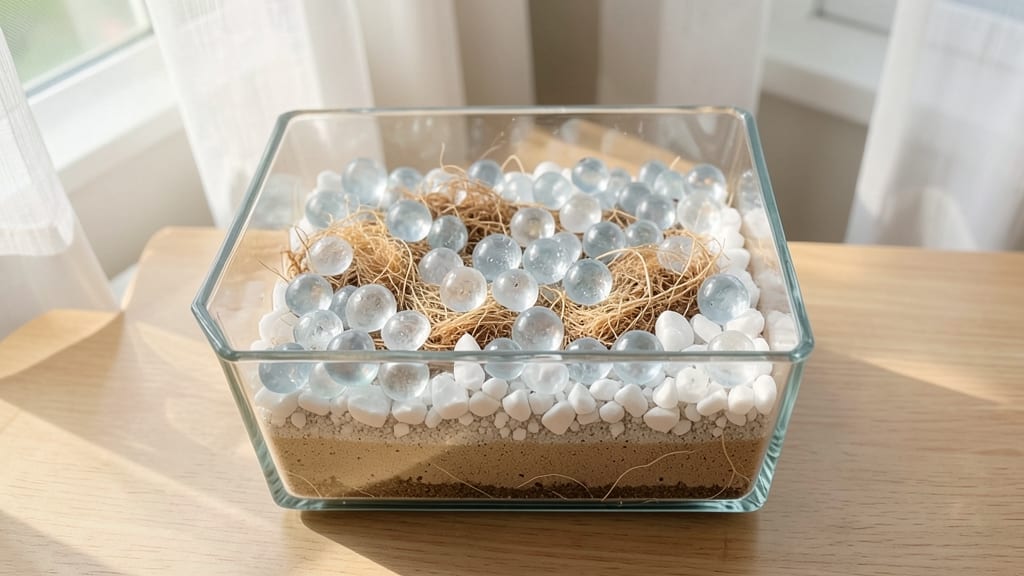
Struggling with your Christmas cactus wilting or developing root rot? The right soil mix is the foundation for thriving blooms. These 10 fast-draining soil blends—ranging from organic to inorganic—keep moisture levels perfect while preventing fungal issues.
Cactus And Succulent Soil Mix
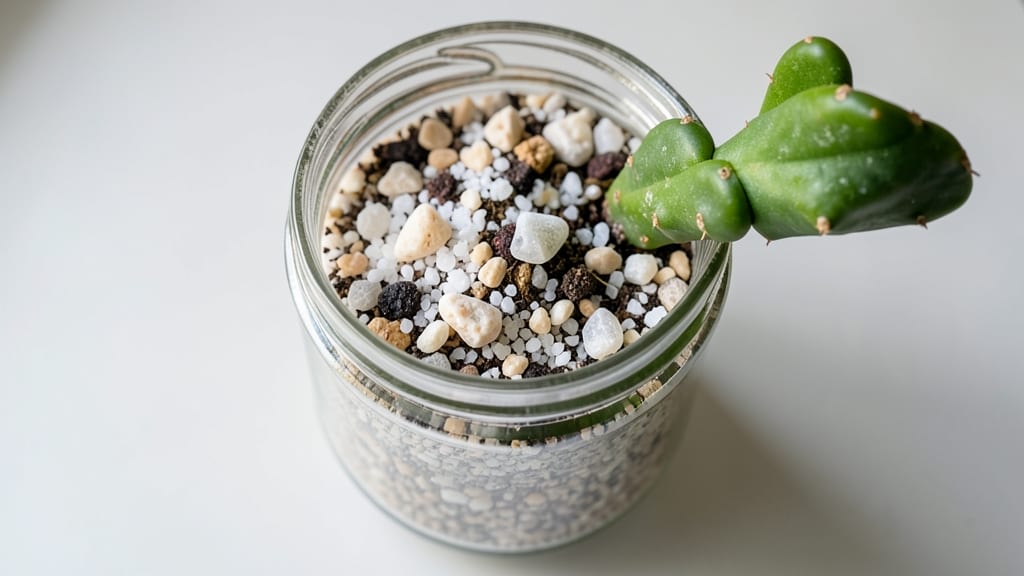
If you’ve ever struggled with soggy soil and sad-looking Christmas cactus roots, a pre-mixed cactus and succulent soil blend is your game-changer. These commercial mixes are formulated with 70% inorganic grit—like pumice or perlite—right out of the bag, ensuring water drains away from delicate roots within seconds. No guesswork, no DIY measuring—just instant aeration and the perfect balance of moisture retention.
Look for brands that advertise "fast-draining" or "succulent-specific" on the label, as they’re engineered to mimic arid desert conditions. The gritty texture prevents compaction, while a touch of organic matter (like a small percentage of peat or coconut coir) provides essential nutrients. For beginners, this mix eliminates the trial-and-error of homemade blends—simply repot your Christmas cactus every 2–3 years to refresh the soil, and watch it thrive without the risk of root rot. 🌱
Peat Moss Perlite Sand Blend
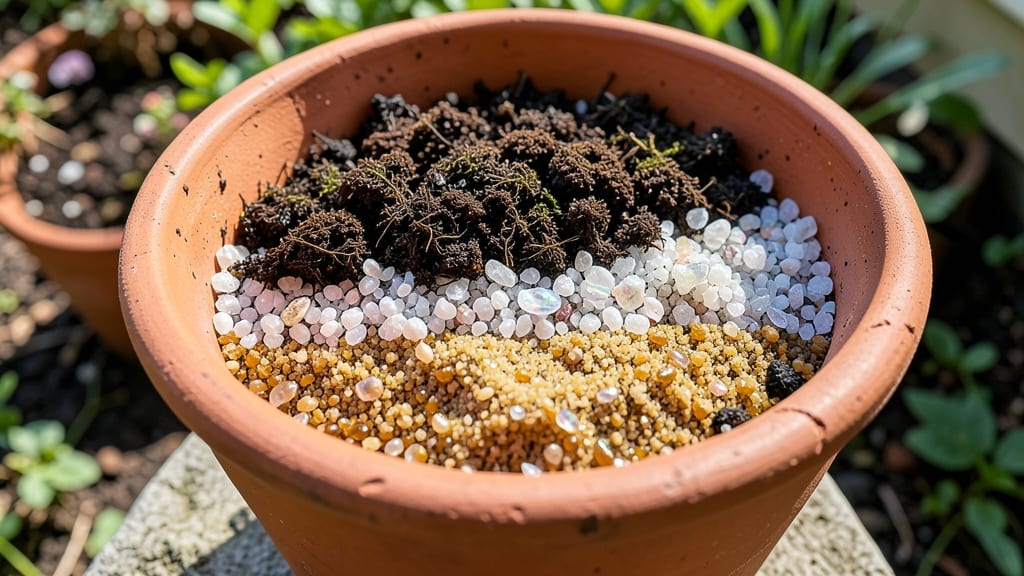
If you love the idea of customizing your Christmas cactus's home but want to avoid guesswork, this peat moss perlite sand blend is your perfect starting point. This classic mix balances moisture retention with aeration—critical for preventing the root rot that plagues many holiday cacti.
The 40% peat moss provides organic structure and slight acidity, while 30% perlite prevents compaction and keeps roots oxygenated. Add 30% coarse sand to mimic the mineral-rich soils of its native Brazilian forests. For best results, sterilize each component before mixing to eliminate pathogens.
This DIY-friendly blend is ideal for gardeners who enjoy hands-on projects and want to avoid synthetic additives. It’s especially great for repotting or creating fresh soil for new cuttings, giving your Christmas cactus the perfect foundation for vibrant blooms. 🌱
Orchid Bark And Charcoal Mix
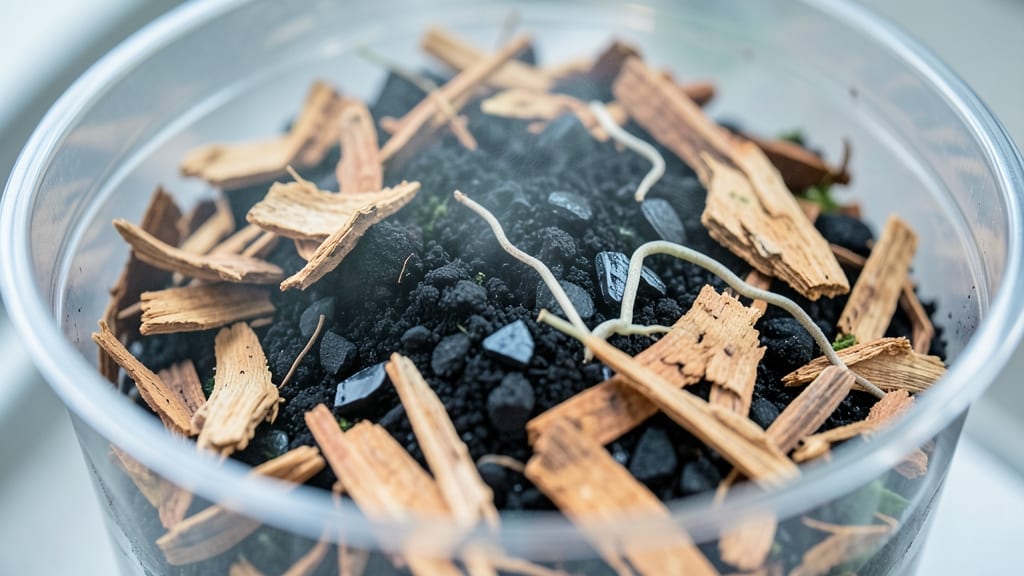
If your Christmas cactus keeps developing souring soil or fungal issues, this orchid bark and charcoal mix might be your secret weapon. The combination of 50% orchid bark and 20% activated charcoal creates an air-purifying medium that actively reduces bacterial buildup while promoting root aeration.
This blend thrives in well-draining containers and is ideal for experienced growers who want to extend the lifespan of their soil mix. The charcoal component neutralizes impurities, while the chunky orchid bark prevents compaction over time. Water only when the top inch feels completely dry to maintain the perfect balance of moisture and airflow.
Perfect for those who prioritize long-term root health and want to avoid frequent repotting, this mix is especially beneficial in humid environments where bacterial growth can become a problem. 💚
Coconut Coir And Pumice Mix
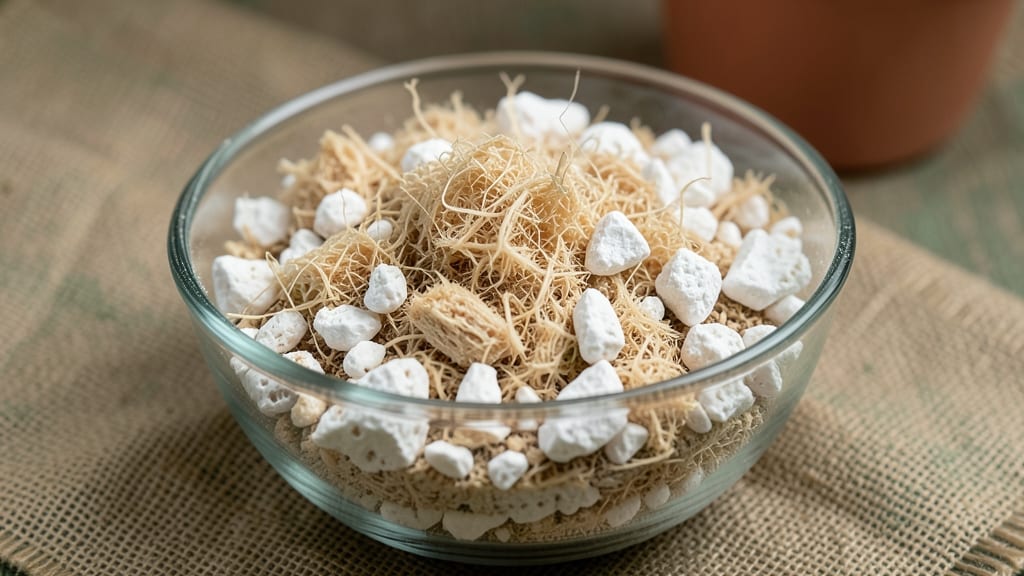
If you're looking for a sustainable alternative to peat moss that still delivers excellent moisture retention, this 60% coconut coir and 40% pumice mix is your answer. Unlike traditional peat-based blends, it breaks down slowly, maintaining its structure for years while supporting healthy root growth in your Christmas cactus.
The coconut coir component mimics peat's water-holding capacity but with a neutral pH, while pumice prevents compaction and improves aeration—critical for preventing root rot in succulents. This blend is perfect for gardeners who want to avoid peat moss's environmental impact while still enjoying the benefits of a well-balanced, moisture-retentive mix.
Eco-conscious growers and those with long-term plant collections will appreciate how this mix stays effective without needing frequent refreshes. It’s the ideal choice for anyone prioritizing both sustainability and performance. 🌿
Turface And Vermiculite Blend
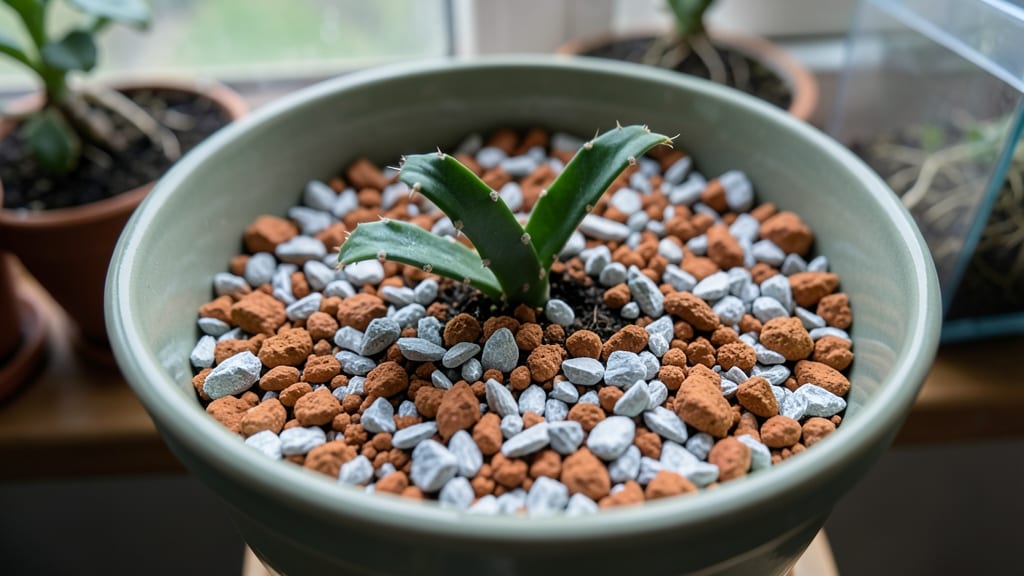
If you live in a humid climate where your Christmas cactus struggles with soggy roots or fungal issues, this Turface and vermiculite blend is your game-changer. The combination of 50% Turface MVP (a calcined clay) and 50% vermiculite creates a highly porous medium that wicks away excess moisture while retaining just enough for your plant’s needs.
Turface’s granular structure prevents compaction, while vermiculite’s moisture-retaining properties ensure roots stay hydrated without drowning. This mix is especially effective for preventing root rot, a common problem in damp environments. Simply mix equal parts and repot your Christmas cactus—its slow-release water absorption will keep roots happy year-round.
This blend is ideal for gardeners who want a low-maintenance, science-backed solution without organic matter breakdown. Perfect for those tired of battling fungal issues! 💚
Lava Rock And Pine Bark Mix
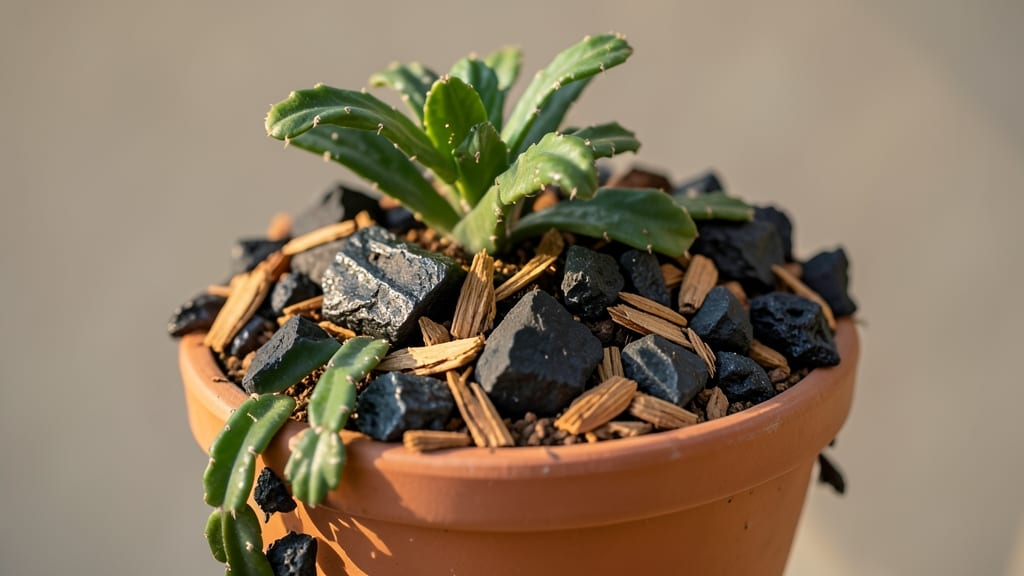
Want to turn your Christmas cactus into a desert-dwelling showstopper? A lava rock and pine bark mix recreates the arid conditions where cacti thrive naturally, with 50% lava rock for rapid drainage and 30% pine bark to mimic the porous soil of their habitat.
This ultra-draining blend prevents root rot by ensuring excess water evaporates quickly, while the pine bark adds structure and aeration. For best results, mix in 20% coarse sand to further enhance drainage—ideal for growers who want to push their plants toward bloom-heavy growth by mimicking seasonal dry spells. The rugged texture also resists compaction over time.
Perfect for advanced growers who love experimenting with minimalist, high-impact setups, this mix is especially rewarding for those who want to see their Christmas cactus thrive like it’s standing in a Mexican desert. 🌻
Composted Leaf Mold And Perlite
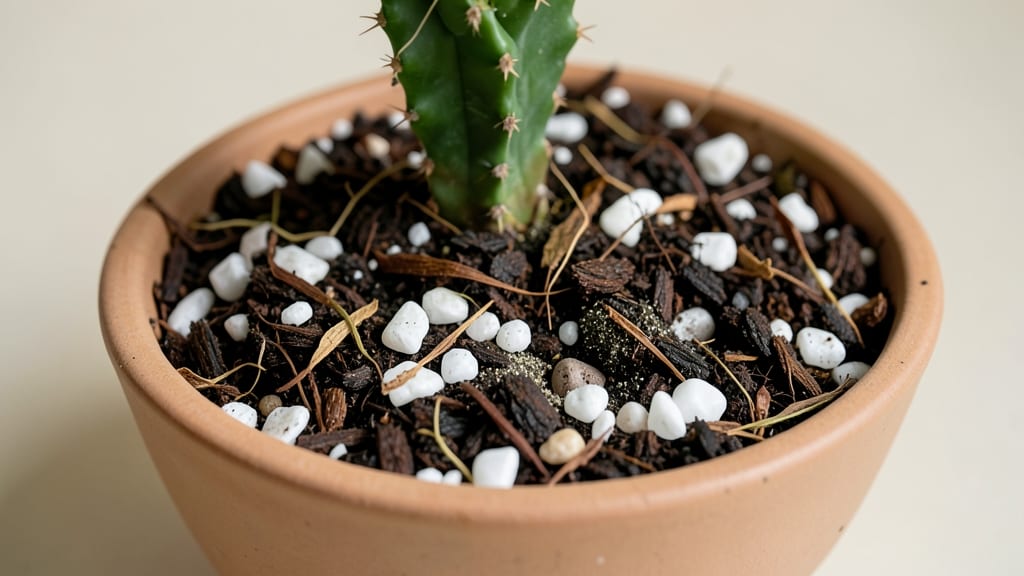
Want a soil mix that feeds your Christmas cactus while keeping its roots happy? This composted leaf mold and perlite blend delivers the perfect balance—nutrient-rich yet fast-draining to prevent soggy roots. The leaf mold adds organic matter and slow-release fertility, while perlite ensures excess water drains away quickly.
To create this mix, combine 40% leaf mold (aged for at least a year) with 30% perlite and 30% coarse sand for extra stability. This blend is especially great for gardeners who want to avoid synthetic additives but still need reliable drainage. The leaf mold’s earthy texture also helps retain moisture between waterings, reducing the risk of drought stress.
This mix is ideal for gardeners who prioritize long-term soil health without sacrificing drainage. It’s perfect for repotting or amending existing soil to give your Christmas cactus the nourishment it needs to bloom beautifully. 🌿
Hydroponic Clay Pebble Mix
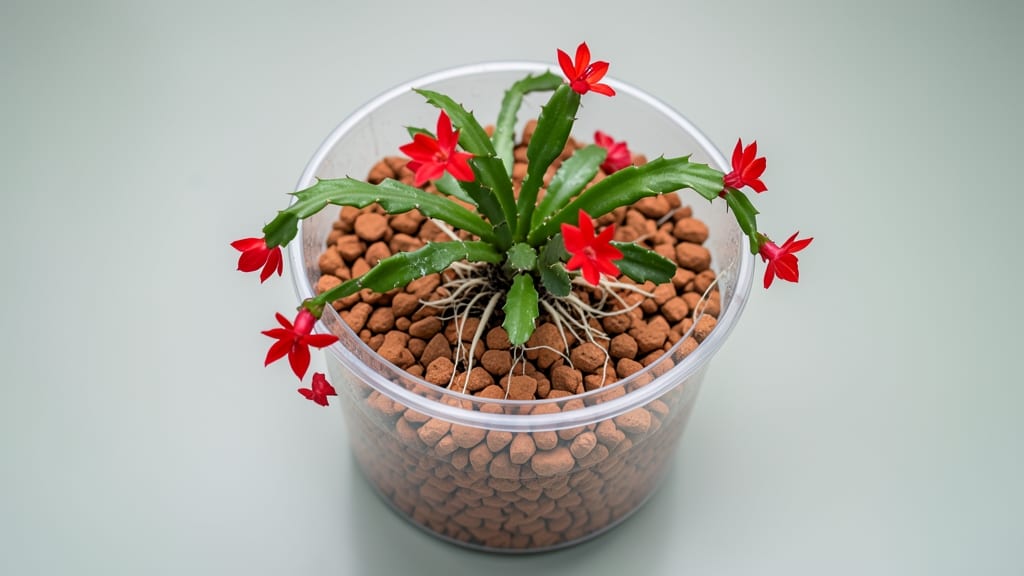
If you're diving into hydroponics or semi-hydroponic setups for your Christmas cactus, a hydroponic clay pebble mix is your secret weapon. Unlike organic soils, this 100% inorganic blend eliminates bacterial risks and promotes unmatched airflow, keeping roots oxygenated and healthy.
Clay pebbles create a sterile, non-compacting medium that mimics the cactus's natural desert environment. Simply rinse the pebbles before use to remove dust, then place your plant in a container filled with them—no soil amendments needed. This mix is especially valuable for urban growers with limited space, as it allows roots to thrive without organic matter breakdown over time.
Perfect for those prioritizing cleanliness and efficiency, this setup reduces maintenance while ensuring your Christmas cactus stays vibrant and blooms reliably. 💡
Worm Castings And Sand Mix
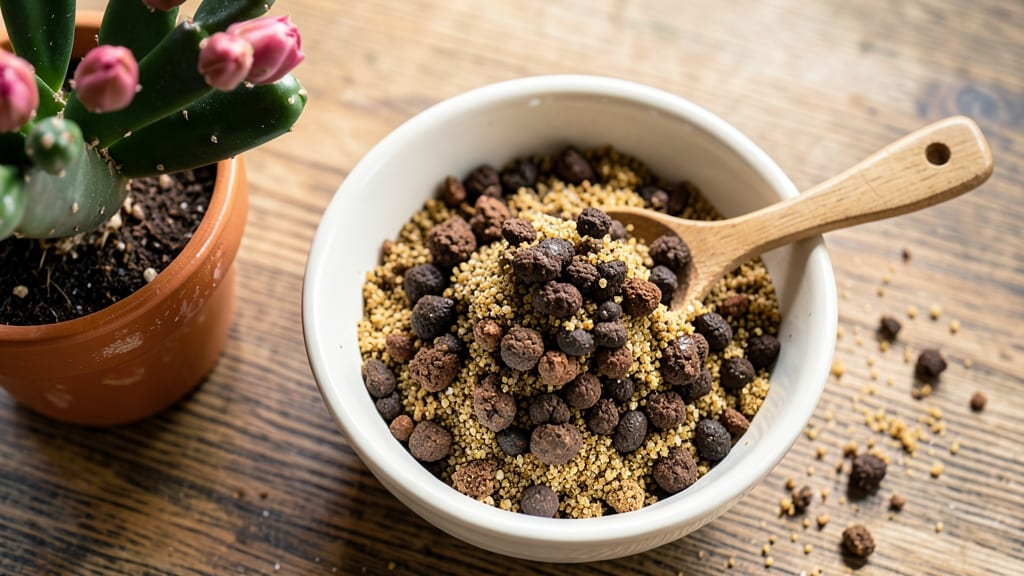
Want to give your Christmas cactus a nutrient boost without synthetic fertilizers? A worm castings and sand mix is your secret weapon—packed with natural microbial activity while preventing soggy roots. This blend marries the fertility of worm castings with the drainage of coarse sand, creating the perfect balance for organic growers.
The 50% worm castings provide a slow-release feast of nitrogen, phosphorus, and micronutrients, while the 30% coarse sand ensures excess moisture drains away quickly. For best results, mix in 20% perlite if your climate stays humid—this extra aeration prevents fungal issues. Reapply this mix every 12-18 months to maintain fertility without overloading the plant.
This soil blend is ideal for gardeners who prioritize long-term soil health and want to avoid chemical amendments. The rich, crumbly texture mimics the cactus’s natural epiphytic habitat while encouraging robust root growth. 🌱
Aeration-Focused Hydrogel Mix

Forget the guesswork of watering schedules—this aeration-focused hydrogel mix is a game-changer for forgetful gardeners and those battling dry spells. The secret lies in its 20% hydrogel crystals, which absorb up to 200x their weight in water and release it gradually, while 50% perlite ensures excess moisture drains away instantly.
Simply mix the hydrogel beads with perlite before adding your Christmas cactus to the pot. The crystals create a sponge-like layer that keeps roots hydrated for weeks, reducing the risk of root rot while preventing your soil from drying out completely. This blend is perfect for drought-prone areas or when you travel frequently—your plant stays happy without constant attention.
Ideal for urban gardeners with busy lifestyles or anyone tired of overwatering mistakes, this mix turns neglect into success. Your Christmas cactus will thrive with fewer worries and more blooms. ✨