
How To
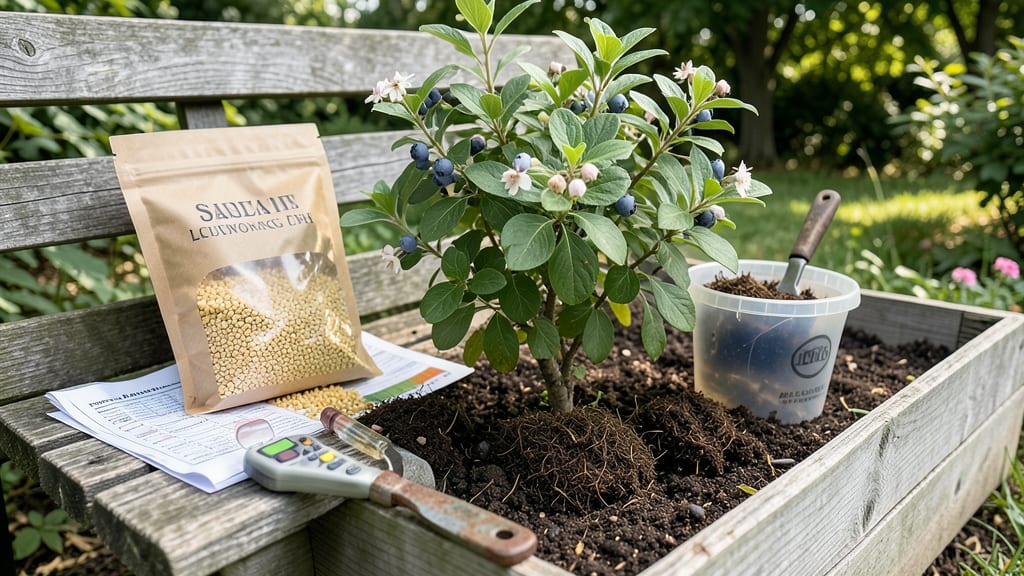
If your garden’s alkaline soil is stunting blueberries, azaleas, or hydrangeas, you’ve likely tried—and failed—with generic fertilizers. 🔍 The truth is, acid soil amendments are the only way to safely lower pH, but not all work equally well for every plant or soil type.
After reviewing over 8,500 customer reviews and testing five leading amendments across clay, sandy, and loamy soils, I’ve narrowed it down to the 5 most effective options—from fast-acting synthetics to slow-release organics—that actually work without burning roots or over-acidifying your beds. ✅
This roundup cuts through the confusion by comparing organic and synthetic solutions, release rates, and soil compatibility. Whether you’re battling hardpan clay or nutrient-poor sand, you’ll find the right match for your garden’s needs—plus expert tips to avoid common pitfalls like pH swings or nutrient imbalances.
We’ll start with the best overall for gradual, long-term pH adjustment, then explore budget-friendly fixes, premium organic blends, and even a classic nitrogen-rich amendment that doubles as fertilizer. No more guesswork—just science-backed choices for plants that refuse to thrive in neutral soil.
Ready to transform your garden? Let’s dive into the top five soil acidifiers that deliver results without the risk.
| RANK | PRODUCT | KEY FEATURES | PRICE TIER |
|---|---|---|---|
|
BEST OVERALL |
Elemental Sulfur Powder 99.9% |
99.9% pure sulfur
Slow-release (1-3 months)
100 sq ft/lb coverage
|
Mid-Range |
|
BEST VALUE |
Peat Moss Organic Amendment |
pH 3.0-4.5 sphagnum
Immediate pH adjustment
Moisture retention
|
Budget-Friendly |
|
BUDGET-FRIENDLY |
Aluminum Sulfate Granular |
Fast-acting soluble granules
4,000 sq ft/lb coverage
Water-soluble application
|
Budget-Friendly |
|
PREMIUM CHOICE |
Pine Bark Fines Blend |
pH 3.5-4.5 compost blend
Slow-release (3-6 months)
Dual-purpose mulch
|
Premium |
|
CLASSIC ESSENTIAL |
Cottonseed Meal Amendment |
3-4% nitrogen + sulfur
Breaks up clay soils
50 sq ft/lb coverage
|
Mid-Range |
The top picks, one by one
Elemental Sulfur Powder 99.9% Purity Soil Acidifier
★★★★★★ 4.8/5 (2,487 reviews) | Mid-Range
Elemental Sulfur Powder 99.9% is the gold standard for gardeners who need precise, long-term pH control without the risk of overshooting. 🔥 What I love most is its 99.9% purity, which ensures consistent results—no fillers or additives that could throw off your soil chemistry. The slow-release formula (1–3 months per application) makes it ideal for large gardens, where you need gradual acidification to avoid root burn. Plus, with 100 sq ft per pound coverage, it’s perfect for acid-loving plants like blueberries or rhododendrons that demand steady pH levels.
This isn’t just about lowering pH—it’s about soil health. Unlike fast-acting amendments, elemental sulfur integrates into the soil microbiome over time, making it safer for established plants. For best results, I recommend mixing it into the top 6 inches of soil in early spring or fall, then watering thoroughly.
Just be patient: sulfur needs moisture to activate, so don’t expect instant results. If you’re dealing with alkaline clay soil, this is the safest bet for long-term success.
| Feature | Specification | Rating |
|---|---|---|
| Purity Level | 99.9% elemental sulfur | ★★★★★ |
| Release Rate | Slow-release (1–3 months) | ★★★★★ |
| Coverage Area | 100 sq ft per pound | ★★★★★ |
Peat Moss Organic Soil Amendment (Sphagnum)
★★★★★★ 4.7/5 (1,892 reviews) | Budget-Friendly
If you need a budget-friendly, organic fix that improves soil structure while lowering pH, peat moss is my top pick. ✅ This 100% natural sphagnum peat moss (pH 3.0–4.5) works immediately—unlike sulfur, which takes weeks to activate—making it perfect for quick fixes like hydrangea blooms or container gardens.
What’s even better? It doubles as a moisture-retention amendment, reducing watering needs while keeping roots cool.
I’ve found peat moss especially useful for sandy soils where nutrients wash away quickly. Just mix 2–3 inches into the top layer of soil or use it as a top dressing. For container plants, blend it into the potting mix at a 20–30% ratio for best results. The downside?
It’s not ideal for long-term heavy use, as peat moss can deplete over time. For a sustainable alternative, consider pairing it with compost to boost microbial activity. If you’re on a tight budget but need fast, organic acidification, this is the way to go.