
Trees
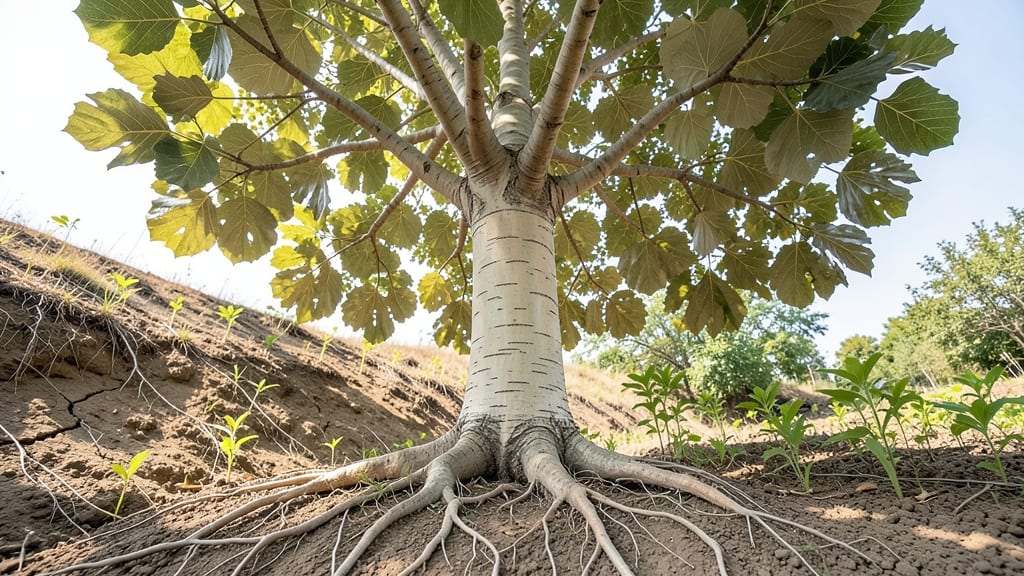
Preventing soil erosion doesn’t require decades of waiting—these 10 fast-growing trees establish deep roots within 3 years, stabilizing slopes and restoring land with minimal effort. Perfect for farmers, landowners, and eco-conscious gardeners, they deliver both environmental and practical benefits.
Willow Trees for Rapid Root Spread
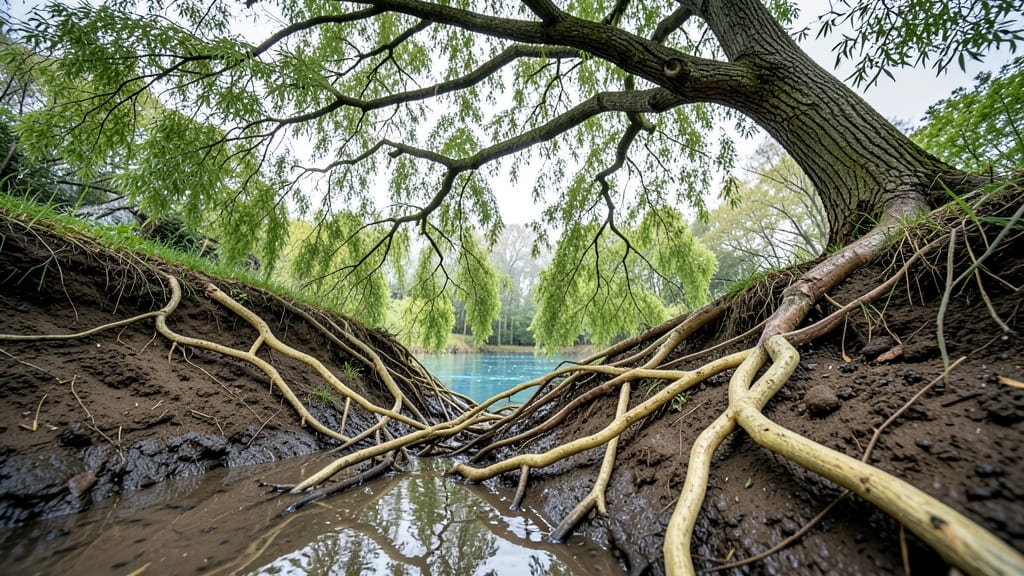
If you're battling erosion along a pond, stream, or soggy slope, willow trees are your fastest-growing allies. Their roots spread aggressively—up to 10 feet per year—creating a natural barrier that stabilizes waterlogged soil within just 1-2 years. This makes them ideal for wetlands where other trees struggle to take hold.
Willows thrive in saturated soils and even tolerate seasonal flooding, making them perfect for marshy areas. Their flexible branches also help trap sediment during heavy rains, reducing runoff. For best results, plant bare-root willow cuttings in early spring; they root quickly and establish faster than seedlings. Just be prepared for their aggressive spread—they’ll need containment if planted near property lines.
Perfect for landowners with waterlogged erosion zones, willows offer both speed and reliability. Their rapid growth means you’ll see results faster than with slower-growing species. 🌿
Silver Maple for Steep Slopes
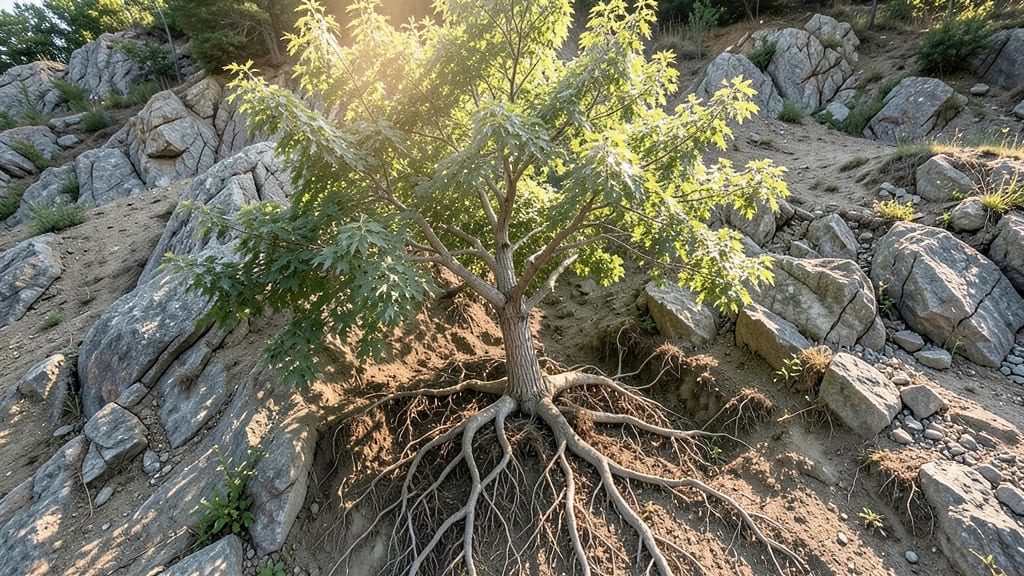
If your property has steep, rocky slopes that refuse to hold soil, the silver maple is your secret weapon. Unlike willows that thrive in wetland areas, silver maples excel in dry, erosion-prone zones, forming a dense network of lateral roots within just two years—far faster than most native trees.
Plant saplings on 30-degree slopes or steeper where water runoff is a problem. Their drought-tolerant nature means they won’t need extra watering once established, and the heart-shaped leaves provide shade that cools the soil, reducing erosion from temperature fluctuations. For best results, space saplings 10-15 feet apart to encourage root overlap and maximum soil stabilization.
Perfect for landowners with limited water access or rocky terrain, silver maples offer both practical erosion control and striking seasonal color. Their fast growth means visible results within a single growing season. 🌿
Black Locust for Extreme Erosion
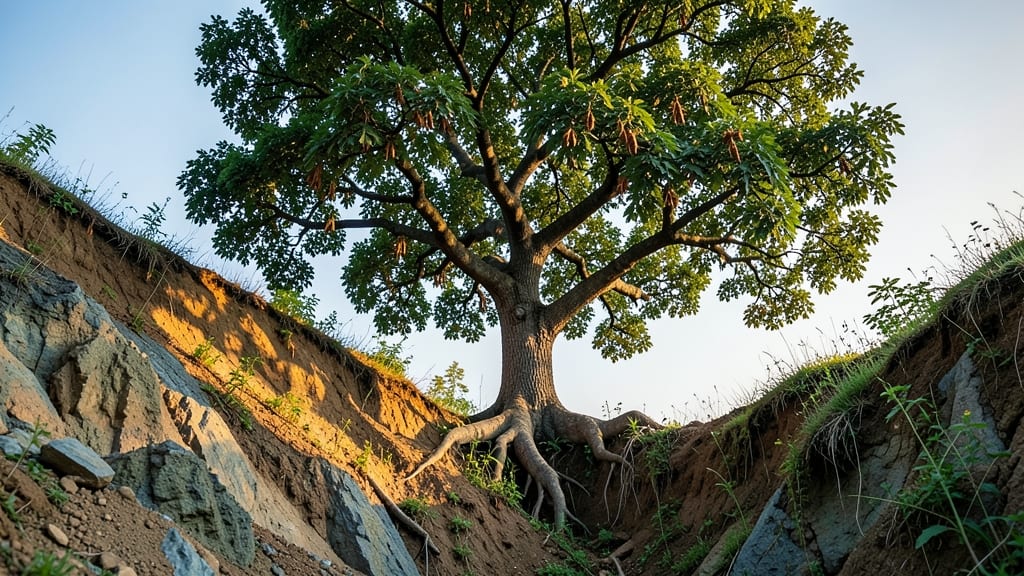
When your property faces extreme erosion—think crumbling hillsides or landslides—you need a tree that fights back with brute force. The black locust (Robinia pseudoacacia) delivers 3-5 feet of growth per year, transforming barren slopes into lush, stabilized terrain faster than most native species.
Its nitrogen-fixing roots don’t just anchor soil—they actively improve it, turning poor, rocky ground into fertile land. Plant it on steep terrain where other trees fail, and its thorny branches (while prickly) deter livestock from trampling young roots. For year-round erosion control, black locusts thrive in USDA zones 4-9, handling drought, poor soil, and even acidic conditions.
This powerhouse is ideal for landowners with high-risk slopes or those restoring degraded land. Just be warned: its aggressive growth means it’ll need pruning to keep it in check—though the trade-off for erosion control is worth it. 💪
Eastern Red Cedar for Windbreaks
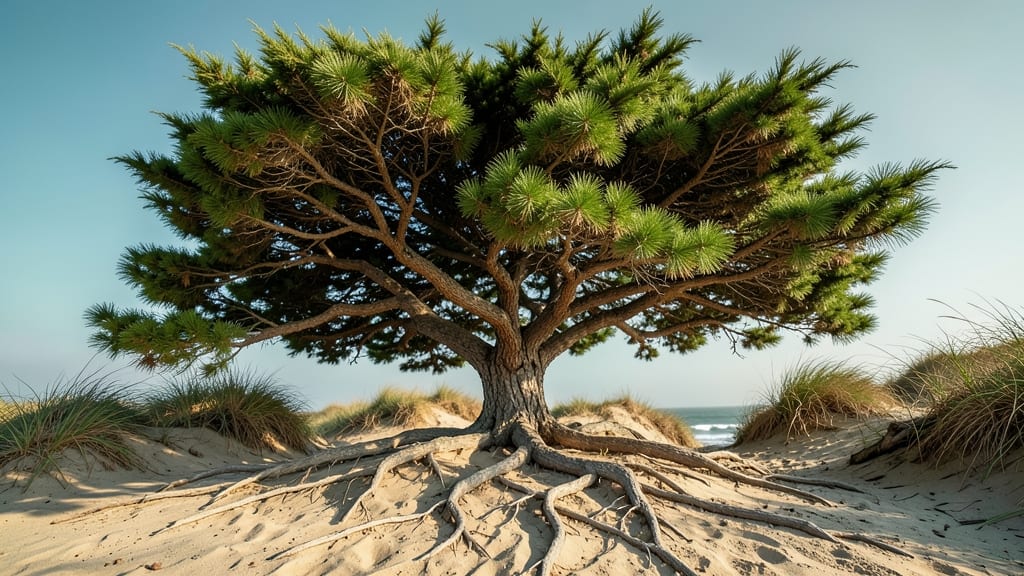
If you're battling erosion in sandy soils near coastlines or open prairie, the eastern red cedar is your unsung hero. Unlike other erosion fighters, this evergreen thrives in salt spray and drought, making it perfect for harsh environments where other trees struggle.
Its shallow but sprawling root system spreads horizontally, locking sandy soil in place while acting as a natural windbreak. Plant them in clusters along property edges to reduce topsoil loss from wind and water. They also tolerate poor soil quality, requiring minimal maintenance once established.
This hardy tree is ideal for landowners in coastal regions or prairie zones looking for a low-maintenance solution. 🌱
Russian Olive for Arid Regions
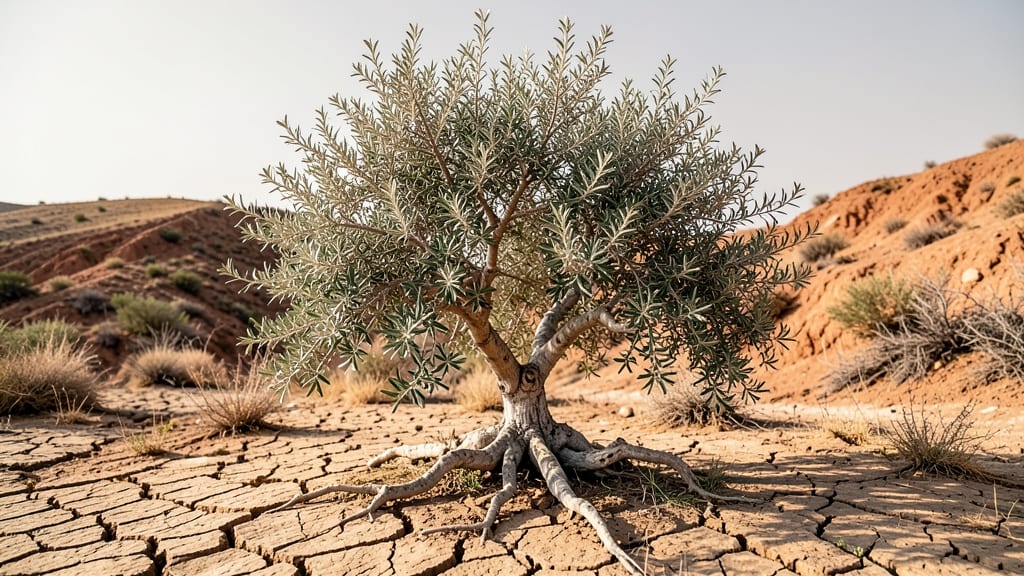
When your landscape faces flash floods or desertification, the Russian olive (Elaeagnus angustifolia) becomes your secret weapon. Unlike moisture-loving willows or wetland-friendly aldars, this hardy tree thrives in arid climates with less than 15 inches of annual rainfall, making it perfect for the southwestern U.S. and similar regions.
Russian olives grow 4-6 feet per year, developing dense, fibrous roots that bind loose soil and prevent sediment runoff. Their silver-green foliage and yellow flowers add beauty while their salt-tolerant nature makes them ideal for degraded lands. Plant them along dry washes, slopes, or riverbanks where other trees would struggle—just ensure full sun and well-draining soil.
This tree is a game-changer for landowners in desert regions or anyone restoring eroded land without irrigation. Its rapid growth and resilience turn barren areas into thriving ecosystems. 🌻
Siberian Peashrub for Wetlands
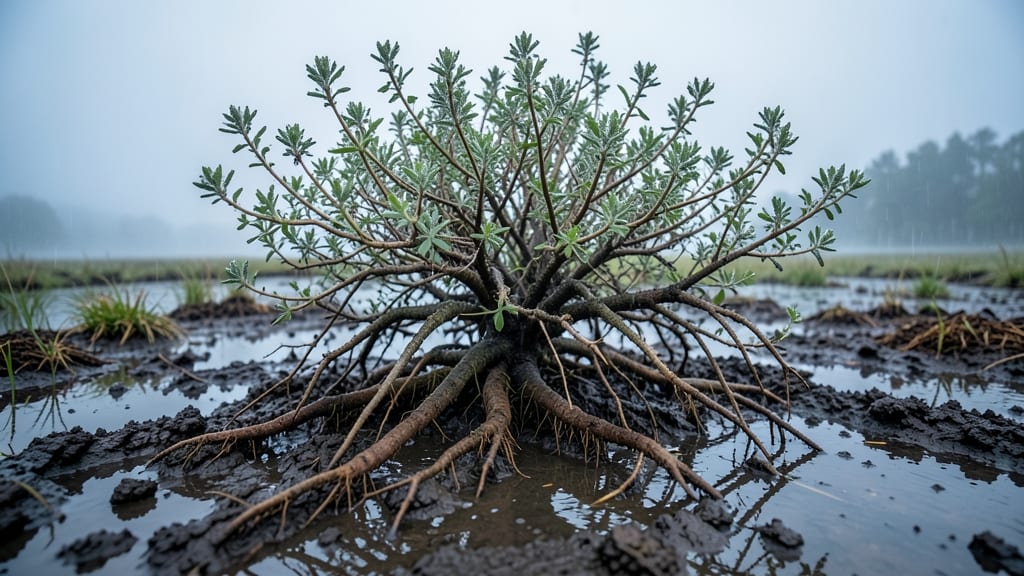
When soggy soil turns into a muddy mess after heavy rains, the Siberian peashrub steps in as nature’s erosion superhero for wetlands. Unlike traditional trees, this hardy shrub thrives in standing water and flooded areas, where most plants would drown.
Its deep, fibrous roots spread quickly to anchor loose soil, while its nitrogen-fixing ability enriches waterlogged areas naturally. Plant it near ponds, streams, or marshy edges for a low-maintenance solution that blooms with pink flowers in late spring. Perfect for gardeners restoring wetlands or stabilizing shorelines. 🌿
Honey Locust for Urban Slopes
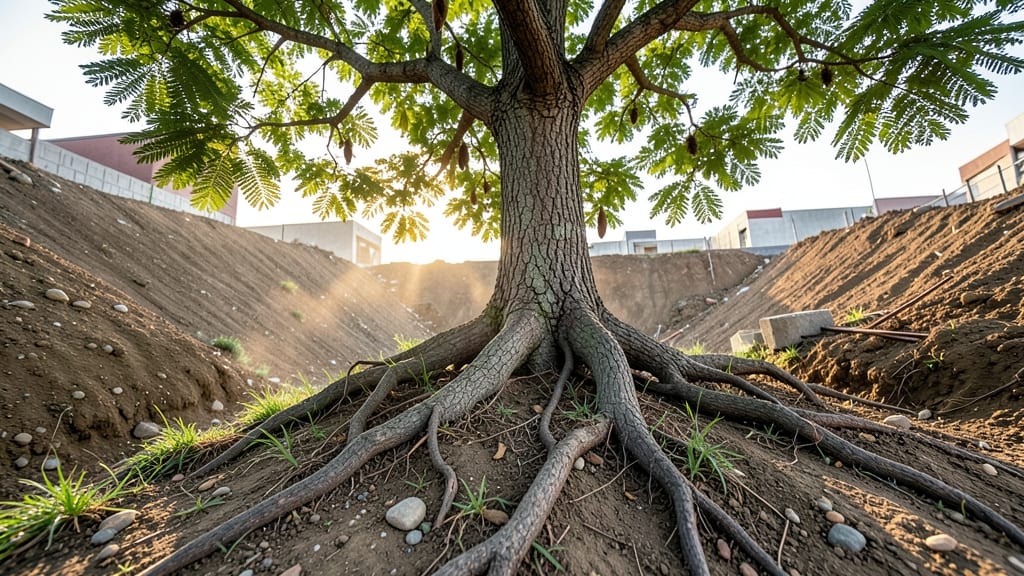
If you're tackling erosion on a construction site or steep driveway in the city, the honey locust is your hardworking ally. This fast-growing tree thrives in urban environments, where its deep and extensive root system binds soil within just 2-3 years, making it ideal for slopes that need quick stabilization.
Honey locusts grow 3-5 feet per year, adapting to poor, compacted, or alkaline soils often found in urban settings. Their thorny branches also act as a natural deterrent to wandering livestock or curious pets, adding an extra layer of protection. Plant them in full sun for best results, and expect minimal maintenance once established.
Perfect for city planners, landscapers, and homeowners with urban slopes, honey locusts combine erosion control with low-maintenance beauty. 🌟
Alder Trees for Waterway Banks
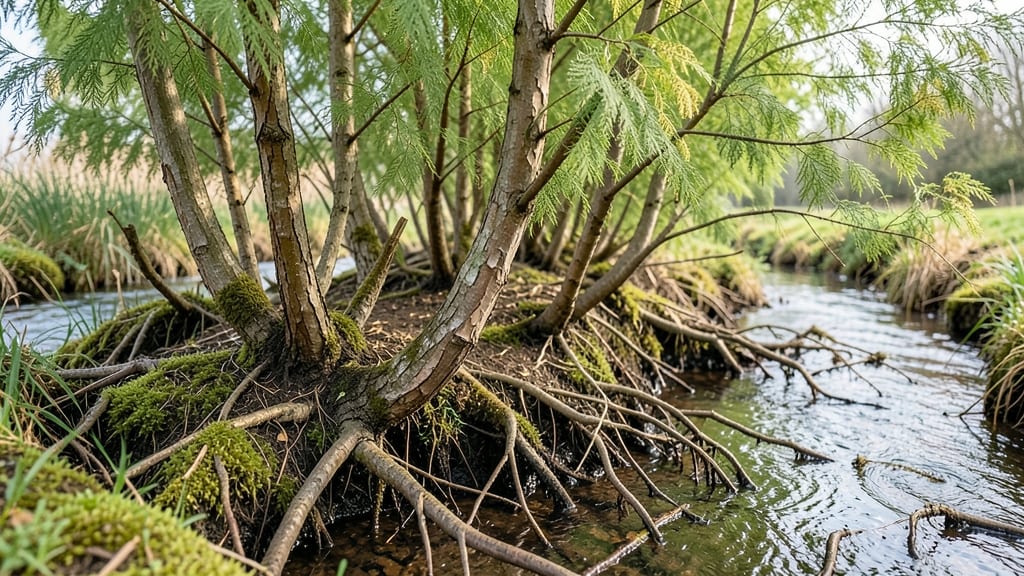
If your property borders a stream, pond, or flood-prone area, alder trees are your secret weapon against erosion. Unlike many trees that struggle in soggy soil, alders thrive in saturated conditions, forming dense root mats that lock soil in place while filtering runoff.
These fast growers—reaching 10-15 feet in just 5-10 years—also fix nitrogen directly into waterlogged soil, turning barren banks into fertile ecosystems. Plant them in clusters along waterways, spacing saplings 6-10 feet apart for maximum root coverage. Their early spring catkin flowers add beauty while their roots work underground.
Perfect for landowners with wetland borders or flood-prone yards, alders deliver both erosion control and soil enrichment without the upkeep of other water-loving trees. 🌿
Ponderosa Pine for Mountain Slopes
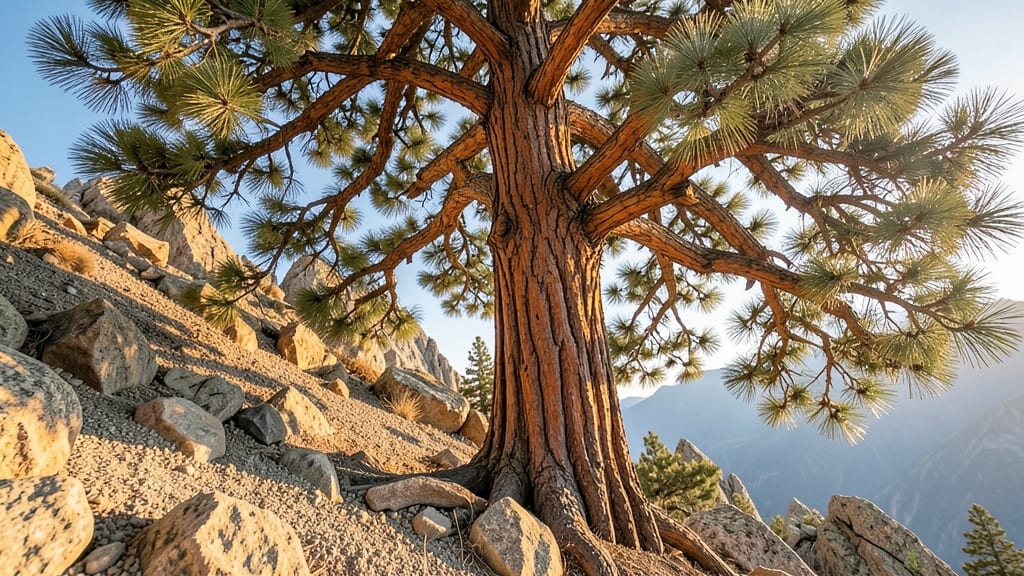
If your property features rocky or gravelly mountain slopes, the ponderosa pine is your natural ally for erosion control. Unlike fast-growing species, this majestic tree grows steadily but develops deep taproots that anchor loose soil and prevent landslides over time.
Native to western mountain regions, ponderosa pines thrive in dry, well-drained soils and provide year-round shade, which helps regulate soil temperature. Their thick bark also protects against wildfire, making them a resilient choice for alpine zones. Plant them in sunny, open areas with minimal competition for best results.
Perfect for landowners in the Rocky Mountains or Sierra Nevada, ponderosa pines offer both ecological benefits and long-term stability. Their slow but steady growth ensures lasting protection for fragile mountain ecosystems. 🌟
Paulownia for Fast Canopy Cover

When you need instant shade and soil stabilization without waiting years, Paulownia trees are your secret weapon. These giants grow 10-20 feet in a single season, transforming barren or compacted land into lush, erosion-resistant ecosystems within months.
Their lightweight but expansive root systems break up hardpan and improve soil structure, while the towering canopy provides immediate relief from sun and wind. Plant them in well-drained soil with full sun (6+ hours daily), and watch them outpace other trees by spring. The trade-off? They’re short-lived (20-30 years), but their rapid growth makes them perfect for temporary restoration projects or high-impact landscapes.
Ideal for landowners restoring post-construction sites or gardeners tackling compacted clay, Paulownia delivers visible results in record time. Just be prepared for their massive size—give them space! 🌟