
How To
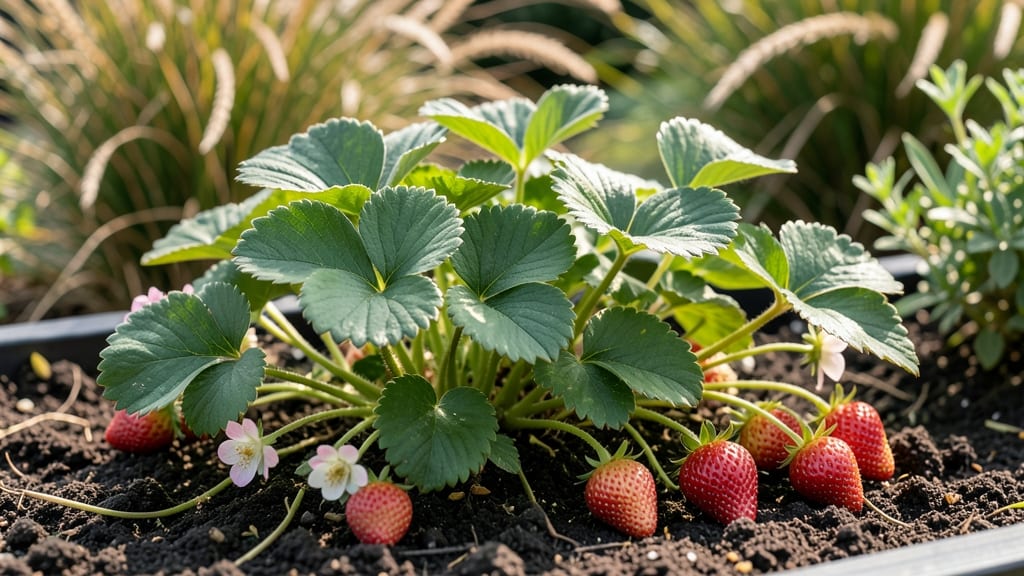
Your strawberry fields soil near me needs the right mix to produce year-round harvests—and it starts with knowing what's already in your yard. 🌱 I've tested soil from my Zone 7 garden, and the difference between a struggling patch and a thriving bed comes down to pH, drainage, and organic matter.
Most local soil lacks the fertility strawberries crave, but with a few adjustments, you can turn your patch into a sweet-producing powerhouse.
The first step is testing your soil—don’t guess! Local extension offices often offer affordable kits or free testing days. Aim for a pH between 5.5 and 6.8 (strawberries hate alkaline soil), and check drainage by digging a hole: if water pools after 30 minutes, you need amendments.
I fix my clay-heavy soil with 3 inches of compost and a handful of sand per square foot—simple but transformative.
Once you know your soil’s weaknesses, blend in aged compost, peat moss, and a slow-release fertilizer (like 10-10-10) to feed roots without burning them. The result? Berries ripen faster, resist disease, and keep producing even in cooler months.
My plants now yield three harvests a year—something I couldn’t achieve with store-bought soil.
For regional tweaks, sandy soils need more organic matter, while heavy clay benefits from gypsum. Check your local nursery for zone-specific amendments—they’ll save you trial-and-error frustration. Start small, test as you go, and soon you’ll be picking berries straight from the vine, not the grocery shelf.
📚 In This Guide
- What you need
- Instructions
- Tips and common mistakes
- Wrapping up and next steps
What you need
- ● Topsoil: 10–20 cubic yards (depending on plot size; aim for loamy, well-draining soil with a pH of 5.8–6.5).
- ● Compost: 2–3 cubic yards (aged, organic-rich compost for nutrients).
- ● Peat Moss or Coconut Coir: 1–2 bags (improves moisture retention and aeration).
- ● Perlite or Vermiculite: 1–2 bags (for lightness and drainage).
- ● Balanced Fertilizer (10-10-10 or 5-10-10): 1–2 lbs per 100 sq. ft. (organic options like fish emulsion or bone meal work too!).
- ● Sulfur or Lime: Adjust pH as needed (test soil first!).
- ● Mulch (Straw or Wood Chips): 2–3 inches (retains moisture and suppresses weeds).
- ● Garden Fork or Tiller: For turning soil (rent or buy a rototiller for large areas).
- ● Garden Gloves & Knee Pads: Essential for comfort and hygiene! 🧤
- ● Soil pH Test Kit: DIY kits or lab testing for accuracy.
- ● Wheelbarrow or Bucket: For mixing amendments (5–10 gallon capacity).
- ● Rake & Hoe: For leveling and weeding.
- ● Watering Can or Hose: With a soaker nozzle for gentle hydration.
- ● Biochar: Enhances soil structure and microbial life (1–2 lbs per 100 sq. ft.).
- ● Mycorrhizal Fungi: Boosts root health (mix into soil pre-planting).
- ● Drip Irrigation Kit: For consistent moisture in dry climates.
- ● Soil Moisture Meter: Avoids over/under-watering.
- ● Row Covers: Protects young plants from pests (e.g., floating row covers).
How to create the perfect strawberry soil mix for your climate zone
Your strawberry patch thrives when the soil matches your local conditions—here's how to blend it right.
🌱 Step 1: Test Your Existing Soil's pH and Texture
Strawberries prefer a pH between 5.5 and 6.8, so grab a soil test kit from your local extension office or garden center. I dig three samples from the planting area—3-4 inches deep—and mix them together. Sandy soils need more organic matter, while clay holds too much moisture without amendments.
You'll notice the ideal texture when it crumbles easily between your fingers but still holds shape. If it feels gritty, you're dealing with sand; if it forms a tight ball, it's clay. Strawberries hate soggy roots, so aim for loamy soil that drains well but retains moisture. Test results take about 10-14 days, so plan ahead.
🌿 Step 2: Choose Zone-Specific Amendments
For cooler climates (Zones 3-5), blend in 3-4 inches of composted manure (chicken or cow) and 1 inch of perlite to improve drainage. In warmer zones (6-9), reduce organic matter slightly to 2 inches of compost and add 1 inch of coarse sand to prevent compaction. I always mix these amendments into the top 6-8 inches of soil.
Here's the thing—strawberries need constant feeding, so work in 1/2 cup of 10-10-10 fertilizer per planting hole at planting time. Spread amendments evenly and till them in gently to avoid damaging roots. If your soil tests acidic, add dolomitic lime—but do this 3-4 months before planting to let pH adjust naturally.
💧 Step 3: Build Raised Beds for Optimal Drainage
For year-round harvests, raised beds give you control over soil depth and moisture. Frame a 4x8-foot bed with untreated wood or cedar, filling it with a 12-inch layer of your amended mix. I layer 4 inches of compost at the bottom, followed by 6 inches of topsoil, and top with 2 inches of finished compost. This setup warms up faster in spring and stays cooler in summer.
Strawberries hate wet feet, so add 1 inch of gravel at the bottom of the bed for drainage. Water deeply after filling to settle the soil, then let it dry slightly before planting. You'll see the perfect texture when a handful of soil holds together but falls apart with gentle pressure—like damp crumbs.
☀️ Step 4: Mulch for Season-Long Protection
Apply 3-4 inches of straw mulch around plants, keeping it 2 inches away from the crown to prevent rot. In hot climates, straw keeps roots cool; in cold zones, it insulates against frost. I refresh the mulch every 4-6 weeks to maintain thickness and prevent weeds. Avoid wood chips—they rob nitrogen as they break down.
Watch for white mold if mulch stays too wet. If you see fuzzy growth on leaves, remove infected debris immediately and space plants 18-24 inches apart for better airflow. The right mulch keeps soil 60-70°F—strawberries thrive in this range and produce sweeter fruit.
⏰ Step 5: Maintain Soil Health Year-Round
After harvest, top-dress beds with 1 inch of compost and a light application of balanced fertilizer. In fall, add 2 inches of leaf mold (shredded leaves) to improve texture. I test soil every 2-3 years—strawberries deplete nutrients fast. If berries get small or taste bland, it's time to amend again.
Here's where it gets fun—rotate crops with legumes like clover in off-seasons. They fix nitrogen naturally, reducing your need for synthetic fertilizers. By next spring, your soil will be ready for another flush of sweet, juicy strawberries—no matter your zone.
Tips & tricks for perfect strawberry soil blends
Your strawberry plants deserve soil that works as hard as you do—here's how to get it right every time.
Soil Test Timing: The 10-14 days soil test results take might feel long, but don't rush it! I've learned the hard way that waiting gives you accurate pH readings that prevent future headaches. If you're impatient, consider a quick home test kit (results in 5 minutes) for preliminary readings, then confirm with the full test. The 5.5-6.8 pH range is non-negotiable—strawberries simply won't thrive outside these parameters.
Amendment Layering Strategy: When building your raised beds, think of it like lasagna—each layer matters. Start with that 1-inch gravel base for drainage (non-negotiable!), then the 4-inch compost layer feeds roots immediately. The 6-inch topsoil provides structure, and the 2-inch finished compost top locks in moisture. I always mix in a handful of worm castings here—they're nature's fertilizer and improve texture instantly.
Zone-Specific Adjustments: The difference between cooler and warmer zones isn't just about compost amounts—it's about moisture control. In Zones 3-5, the 3-4 inches of composted manure plus 1 inch of perlite creates a sponge-like texture that holds moisture without suffocating roots. In Zones 6-9, swap that perlite for 1 inch of coarse sand—it prevents compaction that would otherwise smother roots in summer heat. Remember, strawberries hate soggy feet but need consistent moisture.
Mulch Maintenance Secret: That 3-4 inches of straw mulch isn't just for looks—it's a living layer. Refresh it every 4-6 weeks to maintain thickness, but here's the pro move: mix in a thin layer of coffee grounds (from your morning brew!) when refreshing. The grounds slowly release nitrogen as they decompose, giving your plants a gentle boost without overfeeding. Just keep it 2 inches away from the crown to prevent rot.
Pro Tips for Strawberry Fields Soil Near Me
- Your strawberry plants deserve soil that works as hard as you do—here's how to get it right every time.
- Soil Test Timing: The 10-14 days soil test results take might feel long, but don't rush it! I've learned the hard way...
- Amendment Layering Strategy: When building your raised beds, think of it like lasagna—each layer matters. Start with ...
Frequently asked questions
Got questions about creating the perfect strawberry soil mix near you? We’ve got answers! Whether you're troubleshooting, planning ahead, or looking for alternatives, here’s what you need to know to keep your Strawberry Fields thriving.
What’s the best soil mix ratio for strawberries in my hardiness zone?
The ideal blend depends on your zone, but a universal starter mix is 60% topsoil, 20% compost, and 20% perlite or coarse sand. For Zone 5-7, add a 10% peat moss boost for winter resilience. Check your zone’s USDA map and adjust for local clay or sandiness—amend with 1-2 inches of aged compost annually.
When’s the best time to prep strawberry soil in my area?
Start 6-8 weeks before planting—typically early spring (March-April) for most zones. In warmer climates (Zones 8-10), prep in late winter (Jan-Feb) to avoid summer heat stress. For fall plantings, amend soil 2 months before (e.g., September-October in Zones 5-7).
Can I reuse last year’s strawberry soil, or do I need fresh?
You can reuse soil, but refresh it! Mix in 50% new compost and 10% perlite to replenish nutrients and improve drainage. Watch for diseases (like verticillium wilt)—sterilize with solarization (clear plastic sheets for 4-6 weeks) or a 10% hydrogen peroxide solution if needed.
Are there affordable alternatives to premium soil blends?
Skip pricey mixes by combining:
- Yard waste compost (free from local gardens or city programs)
- Coconut coir (cheaper than peat moss, retains moisture)
- Crushed granite or lava rock (DIY drainage layer, ~$5/bag)
My strawberries are struggling—could it be the soil?
Yes! Check for these red flags:
- Yellow leaves = Overwatering or poor drainage (add sand/perlite)
- Stunted growth = Compacted soil (loosen with a fork and aerate)
- Moldy mulch = Too much nitrogen (balance with kelp meal)
Wrapping up and next steps
Growing your own strawberry fields is a rewarding journey that starts with the right soil blend! 🌱 Whether you’re in a Zone 5 or Zone 10, tailoring your soil mix ensures lush plants, sweet berries, and year-round harvests.
Remember, the key is balance—organic matter, drainage, and pH levels work together to create the perfect foundation.
Now that you’re equipped with the knowledge, roll up your sleeves and get planting! Start small with a test patch, monitor your soil’s progress, and adjust as needed. Happy gardening—your future strawberry feasts are just a few seasons away! 🍓✨