
How To
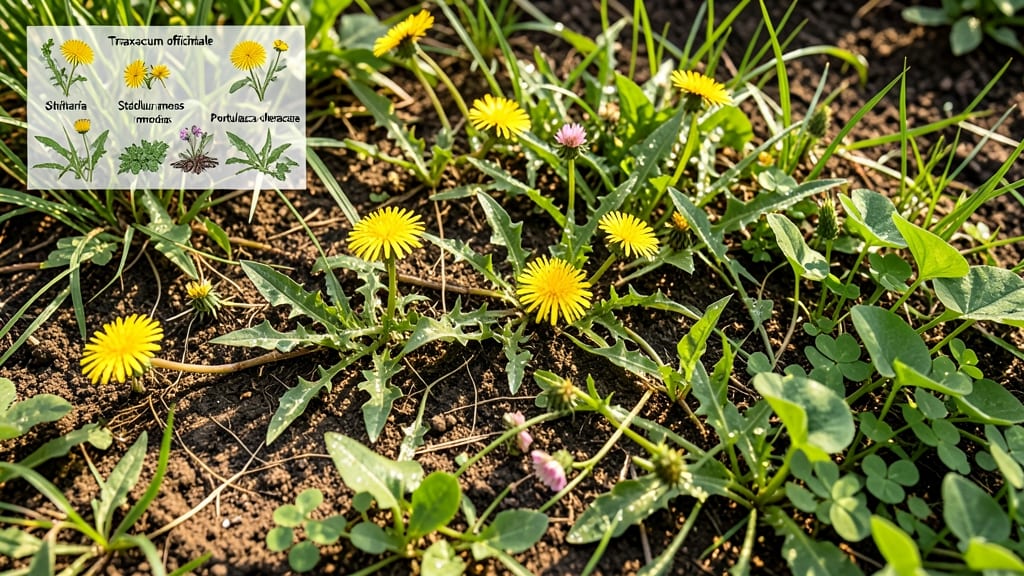
Soil with weeds demands quick action to stop seed spread: cover with thick mulch or cardboard, pull roots completely by hand, or apply vinegar-based herbicide for chemical-free removal. Avoid tilling to protect soil structure and beneficial microbes.
Weeds don't just look unsightly—they compete with your plants for nutrients and water, while their roots disrupt soil aeration. 🌱 The deeper the roots, the worse the damage, especially with invasive species like crabgrass or dandelions.
I've seen gardens where repeated tilling actually made the problem worse by spreading weed seeds deeper into the soil. The key is removing weeds before they set seed, which is why mulching or hand-pulling becomes your best defense.
For stubborn weeds, a targeted approach works best. Boiling water or a 20% vinegar solution kills weeds on contact without harming nearby plants, while manual tools like a weeding fork help extract deep roots.
The goal is to restore balance to your soil's ecosystem—healthy microbes and proper aeration are what keep your garden thriving long-term.
💡 In This Article
- How Weed Roots Damage Soil and Garden Health
- Best Organic Weed Removal Techniques for Healthy Soil
How weed roots damage soil and garden health
Weed roots act like tiny soil disruptors, competing with your plants for vital nutrients like nitrogen, phosphorus, and potassium. 🌱 For example, a single dandelion can produce up to 150,000 seeds annually, while its deep taproot (reaching 12-18 inches) disrupts soil aeration by creating dense root networks.
This forces your desired plants to work harder for resources, often resulting in stunted growth or yellowing leaves—a clear sign of nutrient competition.
The damage goes deeper than just competition. Weed roots release allelopathic chemicals that inhibit seed germination and root growth in nearby plants. Invasive species like bindweed or quackgrass release these compounds aggressively, creating a hostile environment for your garden.
These weeds also harbor pests and diseases, creating a cycle where weakened plants become more susceptible to infections. Native weeds, while less aggressive, still contribute to soil degradation over time.
Tilling makes the problem worse by chopping weed roots into tiny fragments, which spread seeds deeper into the soil profile. A single tilling pass can bury weed seeds 4-6 inches deep, where they remain dormant for years before germinating.
This creates a "seed bank" that can take decades to eliminate. The physical disruption also destroys soil structure, reducing water infiltration and beneficial microbial activity by 30-50% in some cases.
Consider the microbial impact: healthy soil contains billions of beneficial bacteria and fungi that help decompose organic matter. Weed roots disrupt this ecosystem by altering soil pH and oxygen levels.
For instance, dense weed growth can lower soil oxygen by 20-30%, suffocating aerobic microbes that are essential for nutrient cycling. This creates a vicious cycle where poor soil health leads to more weeds, which further degrade the soil.
Visual clues can help identify the severity. Look for soil compaction around weed roots—this is where aeration suffers most. Or notice how water pools around dense weed patches instead of soaking in evenly.
These signs indicate your soil's structure is already compromised, making weed removal even more urgent to restore balance.
For example, a garden bed with 20% weed coverage can lose 15-25% of its potential yield in vegetables due to competition alone. The key is acting before weeds reach maturity—once they flower, the seed spread becomes inevitable, and your soil's health declines further.
What most gardeners don't realize is that even "harmless" weeds like clover can become problematic when allowed to dominate. While clover fixes nitrogen in the soil, its dense growth can shade out desired plants and alter soil chemistry over time.
The solution lies in maintaining a balance—removing weeds before they gain dominance while preserving the soil's natural structure and microbial communities.