
Vegetables
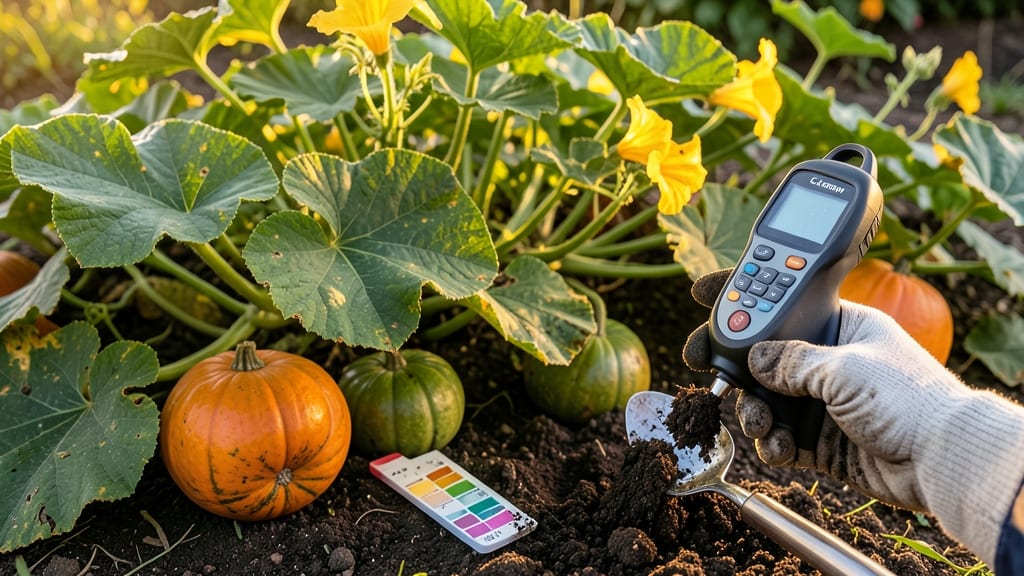
A soil test for pumpkins is essential for identifying optimal pH levels of 6.0–6.8, key nutrients like nitrogen, phosphorus, and potassium, and hidden deficiencies that can weaken vine growth or shrink fruit size. Correcting imbalances with lime or compost often makes the difference between a thriving patch and a struggling one.
A proper soil test for pumpkins does more than check numbers—it reveals whether your garden can support those massive vines and 20-pound fruits. 🔥 Pumpkins are heavy feeders, so even a slightly off pH (like 5.5 or 7.2) can block nutrient absorption, causing yellow leaves or poor flowering.
I've seen firsthand how a simple lime application can turn struggling plants into powerhouses within weeks. The test also uncovers micronutrient gaps like magnesium or zinc, which often go unnoticed until it's too late for a good harvest.
Most gardeners overlook the timing of soil amendments—adding compost too late can delay growth, while overdoing nitrogen might boost leaves at the expense of fruit development. A good test gives you a roadmap for when to adjust, whether it's a month before planting or mid-season for a second boost.
For organic growers, I recommend testing every 2-3 years since compost depletes nutrients over time.
💡 In This Article
- How pH and Nutrient Levels Affect Pumpkin Growth
- Step-by-Step Guide to Testing and Amending Pumpkin Soil
How pH and nutrient levels affect pumpkin growth
Pumpkins thrive when soil pH sits between 6.0 and 6.8, creating the perfect environment for root uptake of essential nutrients. At this range, the soil's chemical balance allows roots to absorb nitrogen (N), phosphorus (P), and potassium (K)—the trio that fuels vine growth and fruit development.
When pH drifts below 5.5, aluminum and manganese become toxic, while above 7.2, calcium and phosphorus lock up, making them unavailable to plants. I've seen pumpkin vines wither in acidic soil where roots couldn't access phosphorus, even though the soil looked fertile. 🌱
The symptoms of nutrient deficiencies are telling: yellowing leaves often signal nitrogen deficiency, while purple stems or stunted growth point to phosphorus shortages. Potassium issues show as weak vines or poor disease resistance. Micronutrients like magnesium (central leaf yellowing) and zinc (stunted growth) play equally critical roles.
For example, a magnesium deficiency can mimic nitrogen deficiency, but the yellowing starts between leaf veins—a key detail for accurate diagnosis. Soil tests measure these levels precisely, revealing what's missing before symptoms appear.
Nutrient uptake isn't just about presence—it's about balance. Too much nitrogen (N) produces lush foliage but few fruits, while adequate phosphorus (P) ensures strong roots and flowering. Potassium (K) helps regulate water movement and disease resistance.
I once tested soil with high nitrogen but low phosphorus—adding bone meal (a phosphorus-rich amendment) doubled the flowering rate within weeks. The key is matching amendments to your test results, not guessing. A soil test acts like a blood test for your pumpkins, pinpointing exactly what they need. 💡
Organic matter like compost improves soil structure, helping roots access nutrients more efficiently. However, compost alone won't fix pH imbalances—lime raises pH for acidic soil, while sulfur lowers it for alkaline conditions.
For example, adding 10 pounds of dolomitic lime per 100 square feet can raise pH by 1.0 point over a season, making phosphorus and calcium available. Timing matters too: amendments should be worked into the soil 4-6 weeks before planting to allow microbes to break them down.
Without this lead time, nutrients remain locked up, and your pumpkins miss out on critical growth phases.
Don't overlook micronutrients—even small deficiencies can reduce yields. For instance, zinc deficiency causes stunted growth and small leaves, while iron deficiency leads to yellowing between veins. A comprehensive soil test identifies these gaps, allowing targeted fixes like chelated iron or zinc sulfate.
For example, if your test shows low zinc levels, applying 1 pound of zinc sulfate per 100 square feet can restore balance. These adjustments often mean the difference between a modest harvest and a bumper crop of 20-pound pumpkins. 🎃
Seasonal changes also affect nutrient availability. In hot weather, phosphorus becomes less available, while nitrogen leaches out during heavy rains. Regular testing (every 2-3 years) helps you stay ahead of these shifts.
For instance, if your soil test shows low organic matter, adding 2-3 inches of compost improves water retention and microbial activity, which naturally boosts nutrient cycling. The goal is to create a self-sustaining soil ecosystem where pumpkins can access everything they need without stress. 🌿
Remember, pumpkins are heavy feeders—they need 1-2 pounds of nitrogen per 100 square feet during the growing season. Without proper testing, you might over-fertilize (burning roots) or under-fertilize (stunted growth).
A soil test gives you the data to fertilize precisely, ensuring your pumpkins get exactly what they need—no more, no less. This precision is what separates a good harvest from a great one. 🌟