
How To
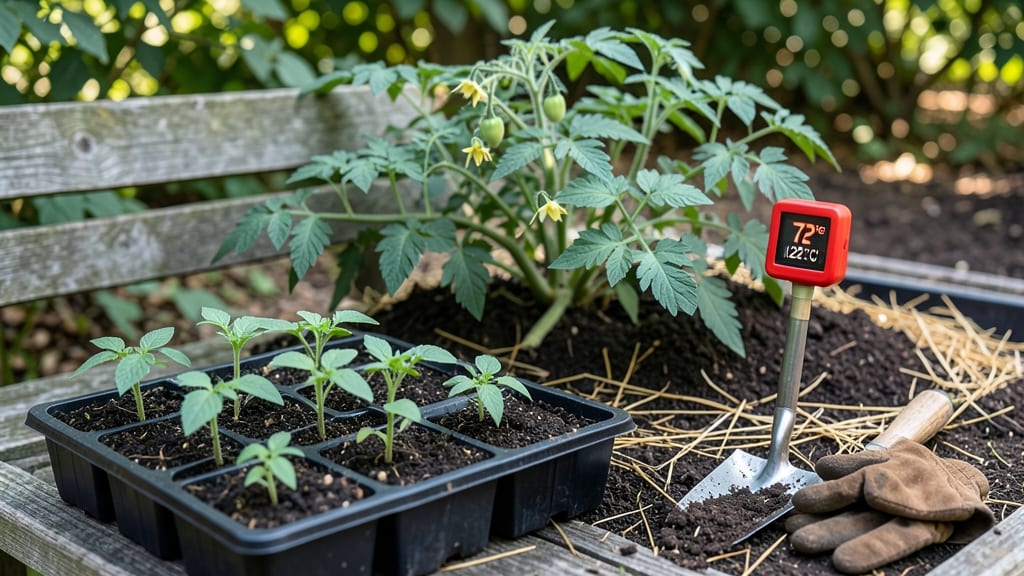
Planting tomatoes at the right soil temperature—around 60°F (15°C)—is the fastest way to jumpstart germination and avoid leggy, weak seedlings.
Struggling with weak tomato seedlings or slow germination? The secret isn’t just water or sunlight—it’s soil temperature, which can make the difference between a thriving harvest and wasted effort.
In USDA Zone 6a, where spring can drag on, waiting for the ground to warm up is critical. Too cold, and your seeds won’t even sprout; too hot, and they’ll bolt before fruiting.
I’ll show you how to measure soil temp, adjust planting times, and use row covers to trick the season into cooperating.
By the end, you’ll know exactly when to plant for fast growth, how to fix slow starts, and which tricks work in your climate—no guesswork, just results.

Ideal soil temperature ranges for planting tomatoes (by seedling stage)
Tomatoes are warm-season crops, meaning they thrive when soil temperatures hit the right range. Planting too early in cold soil can stall germination, while waiting too long risks overheating seedlings.
The ideal soil temperature for planting tomatoes depends on the stage—whether you're sowing seeds directly, transplanting seedlings, or dealing with cold-tolerant varieties. Most gardeners aim for a minimum of 60°F (15°C) to kickstart growth, but nuances exist for each stage.
Direct-sown seeds need consistent warmth to germinate, while transplanted seedlings benefit from slightly cooler but stable conditions. Cold-tolerant varieties like Stupice or Mountain Merit can handle 50-55°F (10-13°C) soil, but standard heirlooms and hybrids prefer 65-75°F (18-24°C).
Understanding these ranges helps you time plantings perfectly, whether you're in a short-season zone or a long, hot summer.
To measure soil temperature accurately, use a soil thermometer buried 2-4 inches deep (the depth where roots will form). Check readings in the early morning for the most reliable data, as afternoon sun can skew results.
If your soil runs cooler than ideal, don’t panic—there are simple ways to adjust temperatures naturally, like using black plastic mulch or row covers to trap heat.
| Stage | Ideal Soil Temp (°F/°C) | Notes | Action if Too Cold |
|---|---|---|---|
| Direct Sowing (Seeds) | 60-70°F (15-21°C) | Germination slows below 55°F (13°C). | Use black plastic mulch or heat mats. |
| Transplanting Seedlings | 65-75°F (18-24°C) | Avoid transplant shock in cooler soil. | Wait for stable temps or harden off seedlings. |
| Cold-Tolerant Varieties | 50-55°F (10-13°C) | Examples: Stupice, Mountain Merit. | Plant early with row covers. |
| Overheated Soil (>85°F/29°C) | N/A (Risk of stress) | Seeds may rot; seedlings wilt. | Use shade cloth or mulch. |
For direct sowing, aim to plant when soil hits 60°F (15°C) consistently for 5-7 days. This triggers rapid germination within 7-14 days, depending on the variety. If your soil is cooler, consider starting seeds indoors under grow lights and transplanting later.
Cold soil can cause seeds to rot or sprout weakly, leading to leggy, vulnerable seedlings that struggle to compete with weeds.
When transplanting seedlings, soil between 65-75°F (18-24°C) is ideal. Cooler soil slows root establishment, while hotter soil can shock delicate roots. Harden off seedlings gradually if transplanting into cooler conditions—expose them to outdoor temps for 3-5 days before planting. This acclimates them to temperature fluctuations and reduces transplant shock.
Cold-tolerant tomato varieties like Stupice or Mountain Merit can handle 50-55°F (10-13°C) soil, making them perfect for early spring or northern climates. These varieties are bred to withstand cooler conditions, but they still benefit from row covers or low tunnels to extend the growing season.
If you’re in USDA Zone 4 or colder, these varieties can give you a head start on the season.
Overheated soil above 85°F (29°C) can be just as damaging as cold soil. Seeds may rot before germinating, and seedlings can develop blossom-end rot or wilting due to stress. To cool down overheated soil, apply shade cloth or mulch to block excess heat.
Watering deeply in the morning also helps regulate soil temperature by increasing moisture retention and reducing extreme fluctuations.
Regional differences play a huge role in soil temperature. In southern states, soil may reach ideal temps as early as February or March, while northern gardeners might wait until May or June.
Use a soil thermometer for 3-5 days to confirm consistency before planting. If your local forecast predicts a cold snap, delay planting or use row covers to protect seedlings until temps stabilize.
Pro tip: Black plastic mulch can raise soil temps by 5-10°F (3-6°C) within days. Lay it down 1-2 weeks before planting to warm the soil naturally. For containers, use heat mats or plant in black pots to absorb sunlight and retain warmth.
These tricks are especially useful for gardeners in short-season zones or those with unpredictable spring weather.
Finally, monitor your soil’s moisture levels alongside temperature. Dry soil heats up faster than moist soil, so consistent watering helps maintain stable temps. Aim for 1-2 inches of water per week, adjusting for rainfall.
With the right soil temperature and care, your tomato plants will thrive from seedling to harvest—no weak starts or wasted effort!
How to raise or lower soil temperature for faster tomato germination
Tomatoes thrive when soil temperatures hit their sweet spot—60°F to 90°F (15°C to 32°C)—but early spring or late summer can throw off these conditions. If your soil is too cold, seedlings struggle to sprout, while overheated soil can stunt growth or even kill young roots.
The good news? With a few simple adjustments, you can fine-tune your soil’s temperature to match your tomatoes’ needs and extend your growing season by 2-4 weeks.
For cold soils, I rely on passive warming methods like black plastic mulch or row covers, which can raise temperatures by 10-15°F (5-8°C) within days. In hot climates, shade cloth and strategic watering keep roots cool without sacrificing moisture.
Let’s dive into the exact techniques I use to get my tomatoes off to a fast, healthy start—no matter the weather.
- 1 Black plastic mulch: Lays directly on soil to absorb sunlight and raise temps by 10-15°F (5-8°C). Remove after planting to avoid overheating.
- 2 Row covers: Lightweight fabric traps heat while allowing light. Ideal for early spring or late fall plantings in USDA Zones 3-5.
- 3 Heat mats: Electric or solar-powered mats plug into outlets and maintain 70-80°F (21-27°C)—perfect for indoor seed starting or cold greenhouses.
- 4 Shade cloth (30-50%): Reduces soil heat by 10-20°F (5-11°C). Hang over beds during peak afternoon sun in hot climates.
- 5 Mulch with straw: Insulates soil and retains moisture, preventing temperature spikes. Apply 2-3 inches after transplanting.
- 6 Drip irrigation: Water early morning to cool soil gradually. Avoid overhead sprinklers, which can bake soil during the day.
- 7 Soil thermometer: Check temps at 2-inch depth (where roots grow). Plant when readings hit 60°F (15°C) for seedlings.
My go-to for cold soils is black plastic mulch—it’s cheap, easy to install, and works like a charm. Last spring, I used it to raise my Zone 5 soil from 45°F (7°C) to 68°F (20°C) in just 5 days, letting me plant tomatoes 2 weeks earlier than usual.
For hot climates, I swear by 30% shade cloth paired with drip irrigation; it keeps my soil in the 75-85°F (24-29°C) range even during 100°F (38°C) heatwaves.
Pro tip: If you’re starting seeds indoors, a DIY heat mat made from a ceramic tile and a heating pad can give you that extra boost. Just place your seed trays on the tile, cover with plastic wrap, and monitor temps with a thermometer.
I’ve seen germination rates jump from 30% to 90% with this setup!
Timing is everything. For example, in USDA Zone 7, I wait until mid-April when soil temps consistently hit 60°F (15°C). But if I’m pushing the season, I’ll use row covers until the last frost date to protect young plants.
Always pair these methods with a soil thermometer—it’s the only way to get precise readings and avoid guesswork.
Remember, tomatoes are warm-season plants, so they hate cold snaps. If nighttime temps drop below 50°F (10°C), even warmed soil can shock seedlings.
That’s why I never plant before the last frost date, no matter how eager I am. Patience pays off with stronger roots and bigger yields.