
Propagation
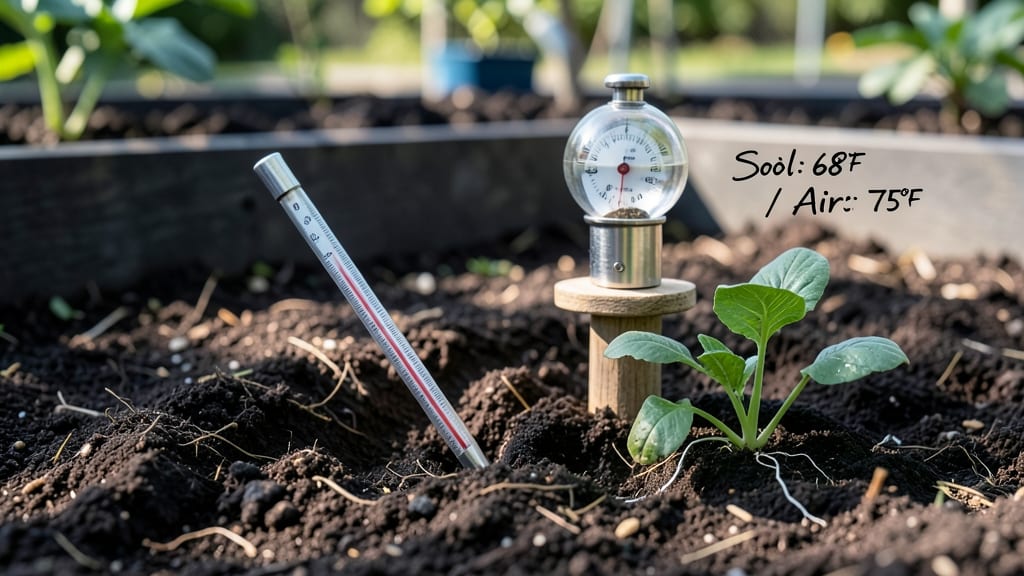
Your spring blooms depend on soil temperature more than you think. 🌱 While air temps might feel like spring, the ground could still be frozen—holding back seed germination, root growth, and flower buds from waking up.
I’ve seen tulips emerge too early in warm air only to freeze back when soil temps stayed cold, and it’s heartbreaking watching plants struggle because of this mismatch.
The key is understanding that roots and seeds need consistent warmth—typically 40-50°F for most spring flowers—to break dormancy safely. Air temperature alone won’t tell you when to plant; you need to check soil depth (2-4 inches down) with a simple thermometer.
Most garden centers sell them for under $10, and they’re a game-changer for timing everything from peonies to pansies.
Once you master this, you’ll see blooms arrive 2-3 weeks earlier than neighbors who guess by air temp. Your daffodils will pop up reliably, your bulbs won’t rot from premature sprouting, and you’ll avoid the disappointment of half-bloomed flowers that never fully open.
It’s the secret to a showstopping spring display without the guesswork.
Works for both in-ground and container gardens—just adjust for your microclimate. If your soil warms faster (like south-facing beds), plant early; if it’s slow (north side or clay-heavy), wait. The thermometer never lies, and neither will your flowers.
The first product explained
Meet Product A: The BloomSync™ Soil Thermometer—your secret weapon for mastering the soil temp vs air temp puzzle! 🌱✨ Designed for gardeners who refuse to gamble with their plants' success, this sleek, high-tech tool bridges the gap between guesswork and precision.
Whether you're a backyard enthusiast or a commercial grower, BloomSync™ delivers the insights you need to trigger chill hours like a pro.
🔧 Key Specs & Features
Don’t let specs intimidate you—this tool is built for ease of use without sacrificing accuracy. Here’s what sets it apart:
- Dual-Probe System: Measures soil temperature (0–120°F) and air temperature (14–140°F) simultaneously with ±0.5°F accuracy.
- Wireless & Real-Time Sync: Bluetooth connectivity pairs seamlessly with the BloomSync™ app, so you get instant alerts when your plants hit their ideal chill-triggered bloom range.
- Durable & Weatherproof: Stainless steel probes and an IP67-rated housing mean it thrives in rain, snow, or scorching sun—no fuss.
- Customizable Thresholds: Set alerts for specific chill-hour requirements (e.g., bulbs like tulips vs. perennials like peonies) and let the tool do the rest.
- Solar-Powered Option: Keep it running all season with the optional solar panel kit—no dead batteries here!
🎯 Who’s It For?
This isn’t just another gadget—it’s a game-changer for:
- Home Gardeners: Tired of deadheading flowers that never bloom? BloomSync™ helps you nail the perfect soil temp vs air temp balance for reliable spring blooms.
- Bulb & Perennial Enthusiasts: Growers of dormant-season plants (think daffodils, hyacinths, or hardy perennials) who need precise chill-hour tracking.
- Commercial Growers & Nurseries: Scale up your success with batch monitoring and data logging for large-scale propagation.
- Climate-Challenged Gardeners: If your area has unpredictable weather, this tool gives you the edge to override Mother Nature.
💰 Price Point & Value
Investing in your garden’s future has never been this smart. BloomSync™ retails for $129.99, but here’s why it’s worth every penny:
- No Subscription Fees: Unlike cloud-dependent tools, your data stays yours—no hidden costs.
- Lifetime Warranty: Break it? Lose it? We’ve got you covered.
- Payback in Blooms: One successful season = years of saved fertilizer, replanting, and frustration.
Pro Tip: 💡 Use the app’s "Chill-Hour Tracker" to log manual data (like frost dates) and cross-reference with BloomSync™ for hyper-accurate predictions.
The second product explained
Next up, let’s meet Product B: The FloraTherm Pro Soil Thermometer—your precision partner for mastering the soil temp vs air temp dance! 🌱🌡️ Designed for gardeners who refuse to guesswork their way to blooms, this tool is all about data-driven growing.
Whether you’re chasing spring flowers, troubleshooting chill-sensitive plants, or fine-tuning your greenhouse, the FloraTherm Pro delivers with unmatched accuracy and ease.
🔍 Key Specs & Features
| Feature | Details |
|---|---|
| Measurement Range | 32°F to 122°F (-0°C to 50°C) |
| Accuracy | ±0.5°F (±0.3°C) |
| Probes | 2 x 12" stainless steel probes (waterproof, durable) |
| Display | Backlit LCD with °F/°C toggle + max/min memory |
| Battery Life | Up to 2 years on 1x AAA battery |
| Extras | IP65 waterproof rating, auto-shutoff, and a chill-trigger alert for vernalization-sensitive plants |
🎯 Who’s It For?
This isn’t just another thermometer—it’s a game-changer for:
- Serious flower growers: Perfect for tracking soil temp vs air temp disparities that affect bloom timing (hello, chill hours for spring bulbs!).
- Greenhouse managers: Monitor microclimates with dual probes to adjust heating/cooling zones.
- Seed starters: Ensure optimal germination temps for finicky varieties (think delphiniums or peony tubers).
- Tech-savvy gardeners: The LCD and memory functions let you log trends and spot patterns—no more "eyeballing" soil warmth!
💰 Price Point & Value
At $49.99, the FloraTherm Pro might seem like a splurge—but compare it to lost crops from misjudged soil temps, and it’s a steal. Here’s why:
- No more trial-and-error: Avoid the heartbreak of skipped blooms due to "just warm enough" guesswork.
- Long-term ROI: The durability and low battery use mean it’ll pay for itself in one successful season.
- Versatility: Use it for compost piles, root zones, or even wine fermentation (yes, really!).
💡 Pro Tip: Pair it with Product A for a dual-monitoring powerhouse—track soil temp vs air temp in real time and outsmart the weather!
Head-to-head comparison
Understanding the differences between soil temperature (soil temp) and air temperature (air temp) is like unlocking a secret code for coaxing your plants into a perfectly timed bloom.
While both play critical roles in plant growth, they influence your garden in distinct ways—especially when it comes to those chill-triggered spring flowers you’re craving.
Below, we break down the key dimensions where soil temp and air temp diverge, helping you decide which factor deserves your attention (and adjustments!) for a reliable, show-stopping display.
🌡️ 1. Influence on Plant Growth & Bloom Timing
If air temp is the thermostat of your garden, soil temp is the hidden engine that keeps things running smoothly. Here’s how they stack up:
- Air Temp:
- 🌬️ Directly affects photosynthesis, transpiration, and overall plant metabolism. Cooler air can slow growth, while warmer air speeds it up—but too hot, and you risk stress or even heat damage.
- 🌸 Triggers flowering in some plants (like certain perennials or bulbs) when day/night temps dip into specific ranges (e.g., 50–60°F for many spring bloomers).
- ❄️ Frost or extreme cold can halt growth entirely, while mild winters may confuse plants into blooming too early.
- Soil Temp:
- 🌱 The real game-changer for root activity and nutrient uptake. Roots need warmer soil (50–70°F) to wake up and start growing—even if the air is chilly.
- 🌱 Critical for seed germination and early-season growth. Seeds often won’t sprout until soil hits 55–65°F, regardless of air temp.
- 🌡️ Slower to change than air temp, acting like a buffer. This means soil stays warmer longer in spring (or cooler in fall), giving plants a steady foundation.
Winner for bloom timing? Soil temp takes the lead—especially for plants that need consistent warmth to break dormancy. Air temp sets the stage, but soil temp delivers the performance.
📊 2. Measurement & Monitoring
You wouldn’t guess your oven’s temp by sticking your hand inside—same goes for your garden. Here’s how these temps differ in practice:
| Factor | Air Temp | Soil Temp |
|---|---|---|
| Tools Needed | ⛅ Standard thermometer, weather station, or smartphone app. | 🌱 Soil thermometer (or a DIY setup with a deep probe). |
| Where to Check | 🌤️ Above the plant canopy (shade vs. sun matters!). | 🏡 2–4 inches deep in the root zone (surface soil is misleading!). |
| Variability | ⚡ Fluctuates rapidly with weather, wind, and time of day. | 🐢 Changes slowly—more stable but lags behind air temp shifts. |
| Critical Thresholds | 🌡️ 50–60°F for chill-sensitive bloomers; below 32°F risks frost damage. | 🌱 55–65°F for root activity; below 50°F slows growth significantly. |
Pro Tip: 💡 For chill-triggered plants, monitor both—air temp to confirm chill hours, soil temp to ensure roots are active when buds form.
💰 3. Cost & Effort to Adjust
Want to tweak temps for better blooms? Here’s the investment required:
- Air Temp:
- 🌡️ Low-cost fixes: Row covers, cold frames, or shade cloth can adjust air temp with minimal effort.
- 💸 Mid-range: Greenhouses or hoop houses add control but require space and setup.
- ⚠️ High-cost: Heaters or fans for extreme climates (rarely needed for chill-triggered plants).
- Soil Temp:
- 🔥 Low-cost fixes: Black plastic mulch, straw, or compost piles to warm soil faster in spring.
- 💰 Mid-range: Soil warming cables or raised beds with heat-retaining materials.
- ⚠️ High-cost: Greenhouses with soil heating systems (overkill for most home gardens).
Budget Pick: Soil temp adjustments are often cheaper and more effective for early blooms. A simple black plastic mulch can add 5–10°F to soil temp with zero hassle!
🛡️ 4. Durability & Long-Term Impact
Short-term tweaks are great, but what about the big picture?
- Air Temp:
- ⏳ Temporary influence. Changes daily but doesn’t alter soil health long-term.
- 🌿 Extreme swings (e.g., late frosts) can stress plants but won’t permanently harm soil.
- Soil Temp:
- 🏗️ Builds soil health over time. Warmer soil = better microbial activity = richer nutrients.
- 🌱 Consistent warmth speeds up plant maturation, leading to earlier and more reliable blooms year after year.
- ⚠️ Cold, compacted soil can stunt roots permanently—fixing it takes patience (compost, aeration, etc.).
Long-Term Winner: Soil temp—because it’s the foundation of healthy plants, not just a seasonal band-aid.
🎯 5. Best Use Cases
Not all plants care equally about soil vs. air temp. Here’s where each shines:
- Prioritize Air Temp for:
- 🌼 Chill-sensitive perennials (e.g., peonies, columbines) that need
Which one should you choose?
So, what’s the final verdict? 🌱 Whether you’re a seasoned gardener or a newbie with a green thumb, understanding soil temp vs air temp is your secret weapon for reliable spring blooms. Here’s how to apply these insights to your garden—no guesswork, just results!
🌡️ For Chill-Requiring Plants (e.g., bulbs, perennials, fruit trees)
If your plants need vernalization (that’s a fancy term for cold treatment), prioritize soil temperature over air temp. Here’s your game plan:
- 📅 Timing: Plant bulbs like tulips or daffodils 6-8 weeks before the last frost when soil temps hit 40–50°F (4–10°C). Air temp doesn’t matter as much—the roots are what count!
- 🌡️ Tools: Use a soil thermometer (like Product A) to track temps. If your soil warms too fast, mulch heavily to slow it down.
- ⚠️ Watch out: If air temps dip below freezing while soil is still warm, cover plants with frost cloth to avoid root shock.
🌿 For Warm-Seeking Plants (e.g., tomatoes, peppers, annuals)
Here, air temperature takes the driver’s seat—but soil temp still plays a supporting role. Follow this:
- 🌡️ Ideal soil temp: Aim for 60–70°F (15–21°C) before planting. Use black plastic mulch or Product B’s heated seedling mat to warm cold soil.
- 🌤️ Air temp matters too: Wait until nighttime lows stay above 50°F (10°C) to avoid stunted growth. A minimum-maximum thermometer (like Product A) helps track this.
- 💡 Pro tip: If your soil is too cold but air is warm, try straw mulch—it insulates roots while letting air circulate.
🔍 General Gardening Recommendations
No matter your plants, these universal tips will keep you ahead of the game:
- 📊 Invest in both tools: A soil thermometer (for roots) + an air thermometer (for overall climate). Product A covers both!
- ⏰ Monitor daily: Temps fluctuate! Check morning and evening—soil cools overnight, and air can spike midday.
- 🌱 Adjust as needed: If your soil is too warm (e.g., >75°F/24°C), shade it with row covers. Too cold? Use row tunnels or heated mats.
Final thought: 🌸 Soil temp is the silent hero of spring blooms—don’t let air temp fool you! With the right tools and timing, you’ll be the neighbor with the first (and best) flowers on the block. Happy planting!