
Blooming
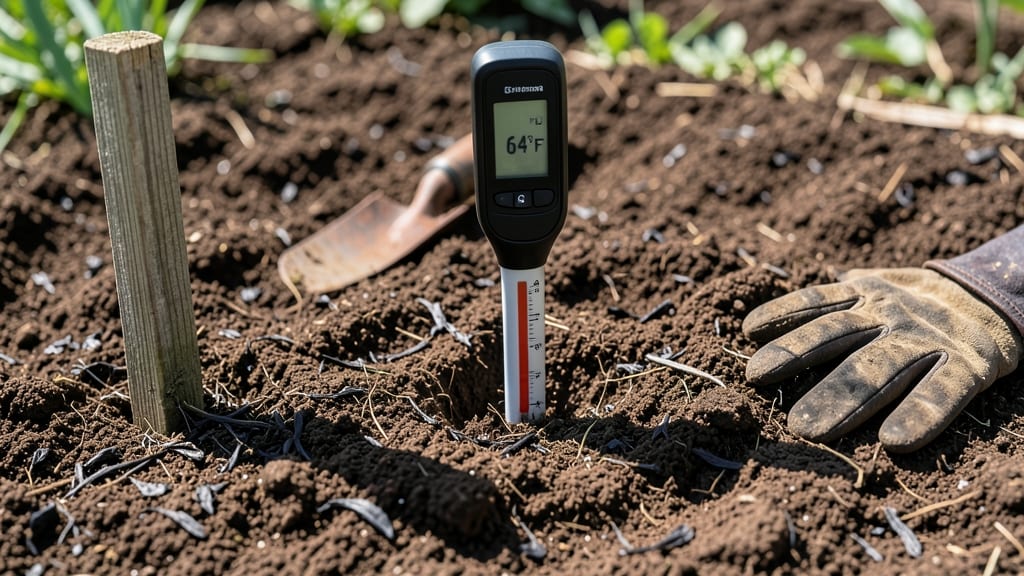
Ohio's soil temperature shifts dramatically with seasons, creating ideal planting windows of 45–65°F for cool-season crops like spinach and 60–85°F for warm-season favorites such as peppers. Spring soil warms to 50°F by mid-April in most areas, while summer averages hover around 78–82°F.
Understanding Ohio's soil temperature patterns helps explain why your garden thrives in spring but struggles in fall.
The state's diverse geography—from Lake Erie's cooling influence in the north to urban heat islands in Columbus—creates microclimates where soil warms at different rates. 🌱 For example, clay-heavy soils in Appalachia hold heat longer than sandy loam in western regions, which can mean a 2-week difference in planting times.
I always check soil temps with a simple probe thermometer before seeding warm crops, as even a 5°F difference can determine success or failure.
What's interesting is how these temperature shifts align with Ohio's USDA zones 5–7. While northern counties (zone 5) might still see frost until May, southern areas (zone 6/7) can plant tomatoes by early April.
This is why I recommend tracking local frost dates and soil temps together—it's the combination that truly dictates your planting schedule. For container gardeners, soil warms faster than in-ground beds, which is why I often start warm-season plants in pots 2–3 weeks earlier.
💡 In This Article
- How Ohio’s Climate Affects Soil Temperature Zones
- Seasonal Soil Temperature Guide for Ohio Gardeners
How Ohio’s climate affects soil temperature zones
Ohio's soil temperatures vary dramatically across its geography due to three key climate factors: Lake Erie's moderating influence, urban heat islands, and elevation changes. The lake creates a "cooling effect" along the northern border, where soil temps near Cleveland and Toledo stay 5–10°F cooler than inland areas during summer.
This is because large bodies of water absorb and release heat slowly—think of how beach areas stay cooler than deserts in summer. Meanwhile, cities like Columbus and Cincinnati experience "urban heat islands," where pavement and buildings trap heat, causing soil to warm 3–5°F faster than rural areas.
Soil composition plays an equally important role. Clay-heavy soils in Appalachia's hilly regions retain heat longer due to their high water content, while sandy loam in western Ohio drains quickly and warms more rapidly in spring.
I've noticed that in my own raised beds with 50% compost, soil reaches planting temperatures 7–10 days earlier than native clay soil. The organic matter acts like a thermal blanket, insulating against rapid temperature swings.
This is why gardeners in Zones 6–7 often plant warm crops like cucumbers 2 weeks earlier than their neighbors in Zone 5 just 30 miles north.
Elevation creates another layer of complexity. The Appalachian Plateau in southeastern Ohio sees cooler soil temps at higher elevations, sometimes delaying planting by 1–2 weeks compared to the flatter western regions. What's fascinating is how these microclimates create planting zones within just 50-mile radii.
For example, while Dayton might hit 60°F soil by late April, areas near the Ohio River can be planting tomatoes by mid-April. This is why I always recommend checking soil temps with a digital probe thermometer at 6 inches deep—surface temps can be misleading by 10°F or more.
Even within the same county, you might find dramatic differences. South-facing slopes warm 2–3°F faster than north-facing ones, while wooded areas stay cooler due to shade. I've planted the same lettuce seeds on both sides of my property and seen 10-day differences in germination times.
This is why container gardening gives you so much control—you can place pots where they get optimal sun exposure regardless of your yard's layout.
What most gardeners don't realize is how wind patterns affect soil warming. Areas near Lake Erie experience more consistent breezes that keep soil cooler, while sheltered valleys can warm 5°F faster in spring.
This is why I always scout my garden in late winter to identify these microclimates before planning my layout. The key takeaway? Ohio's diverse geography means you can't rely solely on frost dates—soil temperature is the true indicator of when to plant.