
How To
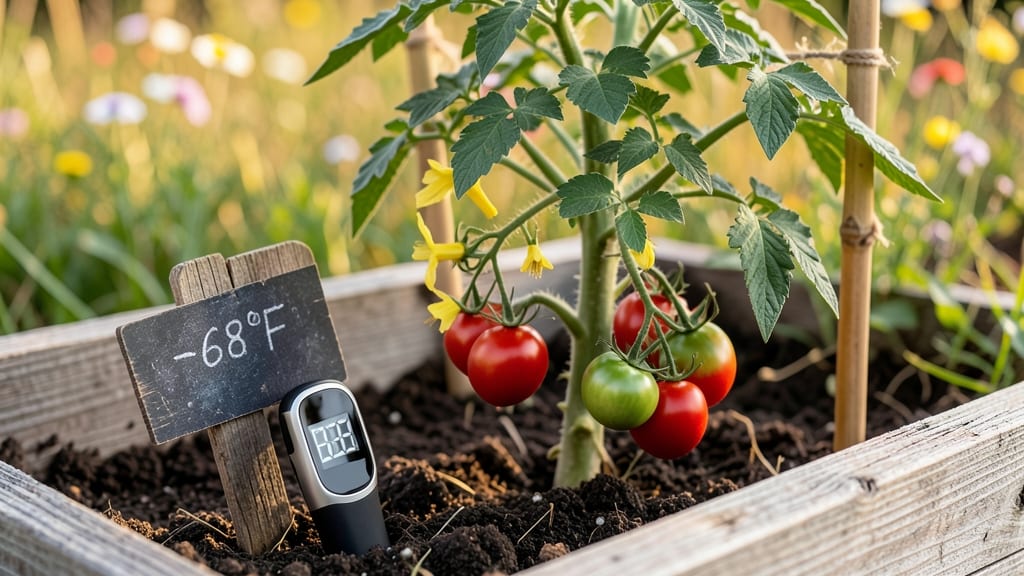
Getting your tomatoes to thrive starts with the right soil temperature—too cold, and seeds won’t germinate; too hot, and roots suffer.
I’ve watched 🍅 seedlings rot in the ground because the soil was still chilly, only to see them explode with growth when the temperature finally hit the sweet spot.
Most gardeners focus on frost dates, but the real secret is the hidden thermometer beneath your feet. In Zone 6, soil needs to warm to at least 60°F before planting, yet many of us rush out too early, only to deal with stunted plants or failed germination.
The fix is simpler than you think—black plastic mulch, cloches, or even a DIY thermometer can make all the difference.
Here’s what you’ll learn: the exact temperature ranges for seeds vs. transplants, how to measure soil temp without fancy tools, and 3 easy ways to adjust it when Mother Nature plays hard to get. No more guessing—just science-backed steps to set your tomatoes up for a bountiful harvest.
Whether you’re a first-time gardener or a veteran who’s lost plants to cold soil, these tips will save you time, money, and frustration. Let’s get those roots growing where they belong—warm and ready to feed your plants all season long.
Critical soil temperature ranges for tomato germination and growth
Getting your tomato seeds to sprout and your plants to thrive starts with understanding soil temperature. Unlike cool-season crops, tomatoes demand warmth to perform well. The right temperature ensures strong root development, faster germination, and higher yields.
If your soil is too cold, seeds won’t sprout; if it’s too hot, roots can suffer. Let’s break down the exact ranges you need to know for each growth stage.
Tomatoes are tropical plants at heart, meaning they prefer warmer soil than many other vegetables. The ideal soil temperature for germination is between 70°F and 90°F. Below 70°F, seeds may rot or fail to sprout, while above 90°F, germination can slow down or become erratic.
For transplanting, the soil should be at least 55°F to 65°F—any colder, and roots struggle to establish.
Once your tomatoes are growing, maintaining soil temperatures between 65°F and 85°F ensures optimal fruit production. Below 65°F, growth slows, and plants may develop blossom-end rot or weak stems. Above 85°F, roots can become stressed, leading to poor nutrient uptake and stunted growth.
Regional adjustments are key—northern gardeners may need to extend the season, while southern gardeners must protect plants from extreme heat.
🌱
| Growth Stage | Ideal Soil Temp (°F) | Signs of Stress | Regional Adjustments |
|---|---|---|---|
| Germination | 70–90°F | Slow/no sprouting, moldy seeds | Use heat mats or start indoors |
| Transplanting | 55–65°F | Wilting, stunted roots, yellow leaves | Wait for warmer soil or use mulch |
| Active Growth | 65–85°F | Blossom-end rot, weak stems, poor fruiting | Shade cloth for heatwaves, mulch for cold snaps |
| Fruiting | 70–80°F | Cracked fruit, slow ripening, leaf scorch | Drip irrigation, afternoon shade in hot climates |
In cooler climates like USDA Zone 5 or 6, soil temperatures often lag behind air temperatures. For example, even if the air hits 70°F in spring, the soil might still be in the 50s°F.
This is why many gardeners use black plastic mulch or row covers to warm the soil faster. In contrast, southern regions like Zone 8 or 9 may need to protect seedlings from soil temps exceeding 90°F, which can cause root burn.
If your soil is too cold, you’ll notice leggy seedlings with weak stems, a sign they’re stretching toward light but struggling to grow roots. Conversely, soil that’s too hot can lead to dry, crispy roots or even seedling death.
To test your soil temperature, use a soil thermometer—insert it 2–3 inches deep for accurate readings. Early morning is the best time to check, as afternoon sun can skew results.
For early planting in cold regions, consider using heat mats or starting seeds indoors under grow lights. Once seedlings are ready for transplanting, harden them off gradually and only plant when soil temps consistently reach 55°F.
In hot climates, focus on shade cloth and drip irrigation to keep roots cool and moist. Even a few degrees difference can mean the difference between a thriving tomato plant and a struggling one.
🌡️
Regional adjustments are crucial. In the Pacific Northwest, gardeners often wait until late May or early June to plant tomatoes, as April soils are still chilly. Meanwhile, in Florida or Texas, gardeners might plant as early as February but must use shade and mulch to prevent heat stress.
Pay attention to your local last frost date and soil warming trends—some years, soils warm faster than others due to weather patterns.
One common mistake is relying on air temperature instead of soil temperature. A sunny day with 75°F air doesn’t guarantee warm soil—especially in early spring. Always check the soil itself. Another pitfall is overestimating a plant’s cold tolerance.
Even cold-hardy tomato varieties like 'Stupice' or 'Mountain Merit' need soil temps above 50°F to thrive. Don’t rush planting just because you’re eager for harvest!
🍅
How to measure and adjust soil temperature for tomatoes
Getting your tomato seeds to sprout and your plants to thrive starts with understanding soil temperature. Unlike air temperature, soil warmth is what triggers germination and root development. If your soil is too cold, seeds won’t sprout, and if it’s too hot, roots can scorch.
I’ve learned the hard way—planting too early in Zone 6 once left my seedlings weak and stunted. Let’s fix that with practical tools and techniques.
First, you’ll need to measure soil temperature accurately. A soil thermometer (digital or analog) is your best friend—insert it 2-3 inches deep where you plan to plant. This mimics the depth where tomato roots will grow.
For seed germination, aim for 70-90°F, while transplanting works best at 55-65°F. If your soil is colder, don’t panic—we’ll cover warming it up next.
- Use a soil thermometer (or DIY with a thermometer in a test tube buried 2-3 inches deep).
- Check temps early morning (soil is coolest then) and late afternoon (warmest).
- For seeds, aim for 70-90°F; for transplants, 55-65°F is ideal.
- Lay black plastic mulch 2-3 weeks before planting to absorb sunlight and raise temps by 5-10°F.
- Use row covers or cold frames to trap heat during the day and release it slowly.
- Plant in raised beds—they warm up faster than in-ground soil, especially in spring.
- Apply a 2-3 inch layer of mulch (straw or wood chips) to keep roots cool in hot climates.
- Use shade cloth (30-50%) during peak summer heat to prevent soil from exceeding 95°F.
- Water deeply in the early morning to cool soil naturally.
- Recheck soil temps weekly—early mornings are critical for seedlings.
- If temps drop below 55°F, extend the season with hoop houses or cloches.
- For heat-sensitive varieties (like cherry tomatoes), prioritize afternoon shade.
For gardeners in cold-start regions, like much of the Midwest or Northeast, I recommend starting seeds indoors under grow lights when soil temps are still too low. Transplant only when soil hits 60°F—this prevents shock and ensures strong root establishment.
Pro tip: Bury transplants deeper than their pots to encourage additional root growth from the stem.
Don’t overlook organic matter—amending soil with compost or well-rotted manure improves heat retention and drainage. In my garden, adding a 1-inch layer of compost before planting raised beds helped maintain ideal temps for 6+ weeks longer than in-ground soil.
Pair this with a drip irrigation system to keep moisture levels consistent, which also stabilizes soil temperature.
If you’re growing heat-sensitive varieties, like ‘Solar Fire’ or ‘Mountain Merit’, pay extra attention to afternoon soil temps. These tomatoes thrive in 70-80°F soil but can suffer from blossom drop if temps exceed 90°F.
In my Zone 6b garden, I’ve had success using white plastic mulch to reflect sunlight and keep roots cooler during July and August.
Remember, soil temperature isn’t static—it fluctuates daily. Check it regularly, especially after rain or cloudy days, which can drop temps 10°F or more. With these tools and techniques, you’ll create the perfect environment for your tomatoes to germinate quickly, root deeply, and produce bountiful harvests.
Happy planting! 🌱