
How To
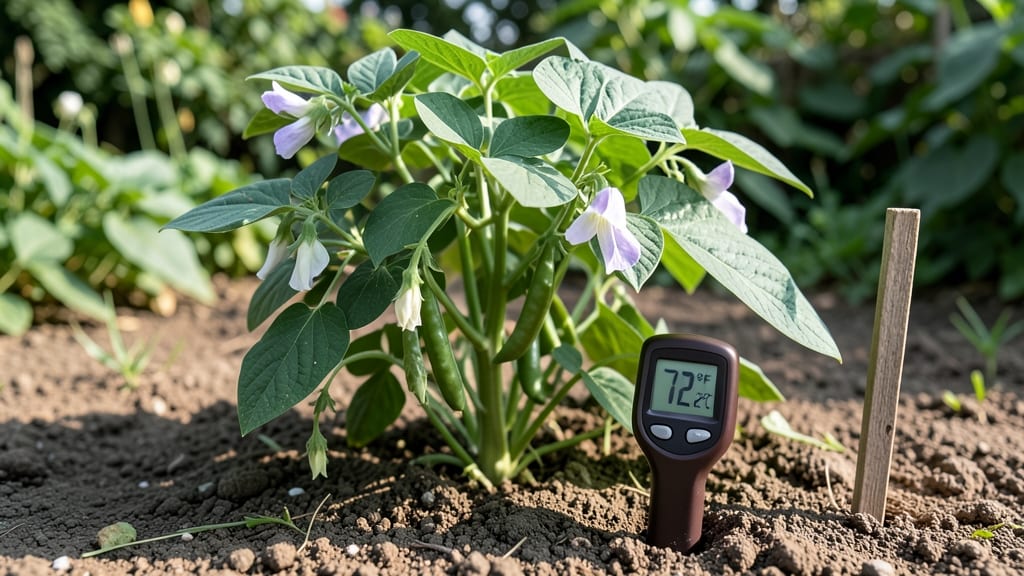
Getting the right soil temperature for beans is the secret to unlocking fast germination and strong plants—60°F is the magic number that most gardeners miss.
Picture this: you’ve waited all spring for the last frost to pass, only to plant your beans and watch them sit there for weeks, refusing to sprout. That’s not just bad luck—it’s a soil temperature problem, and it’s easier to fix than you think.
Beans are finicky about warmth, but once you hit that 60°F threshold, roots dive deep and vines climb fast. The trick? Knowing when to plant, how to check the soil, and what to do if it’s too cold or too hot.
In this guide, I’ll walk you through the ideal ranges for every growth stage, the tools to measure soil heat, and simple fixes like mulching to keep your beans thriving—no guesswork required.
Optimal soil temperature ranges for bean germination and early growth
Beans are finicky about soil temperature, and getting it wrong can mean the difference between vigorous sprouts and wasted seeds. Most varieties need soil to warm up to at least 50–60°F (10–15°C) before germination kicks in.
Below this threshold, seeds rot or simply refuse to sprout. Even after germination, root development stalls in cold soil, leading to weak plants that struggle to support pods.
I’ve learned the hard way—planting beans too early in cool climates results in patchy germination and stunted growth. The key is understanding your local climate patterns and adjusting planting times accordingly. In warmer regions like USDA Zones 8–10, beans can often be direct-sown in early spring.
But in cooler zones (like my Zone 5 garden), waiting until late May or early June ensures the soil stays consistently warm.
Germination is the most critical phase, where soil temperature directly impacts success. Most bean seeds need 60–70°F (15–21°C) for optimal sprouting within 7–14 days. Below 50°F (10°C), germination slows dramatically, and seeds may never break through the soil. Even a few degrees difference can mean the difference between a full garden and a few scattered plants.
After germination, seedlings thrive in 60–70°F (15–21°C) soil, which promotes strong root systems and rapid growth. This is where many gardeners make their second mistake—assuming "warm enough" means "plant now." In reality, a sudden cold snap can shock young plants, causing them to wilt or stop growing entirely.
I’ve seen this happen when planting in early April in my Zone 6 garden—the soil might feel warm during the day, but nighttime temps drop, stalling growth.
Once beans start flowering, the ideal soil temperature shifts to 70–80°F (21–27°C). This range ensures efficient pollination and pod development. Below 65°F (18°C), flowers may drop off without setting pods, and above 85°F (29°C), pods can become tough and stringy.
In hot climates like Zone 9–10, I’ve had success planting in early spring or late summer to avoid the peak heat of July and August.
For cold-hardy varieties like Blue Lake Bush Beans or Kentucky Wonder Pole Beans, you can push the limits slightly—these tolerate soil temps as low as 45°F (7°C) for short periods. However, even these varieties struggle if the soil stays cold for more than a few days.
I’ve used row covers to add 5–10°F of warmth in early spring, extending the growing season by 2–3 weeks.
In warm climates, the challenge shifts to avoiding heat stress. Soil temps above 90°F (32°C) can damage roots and reduce yields. To combat this, I’ve found that mulching with straw keeps soil cooler by 5–10°F and retains moisture.
Drip irrigation also helps by delivering water directly to the roots without wetting the foliage, which can lead to fungal issues in hot, humid conditions.
One tool I can’t recommend enough is a soil thermometer. These inexpensive gadgets (around $10–$15) give you real-time data on soil temps at different depths. I check mine every morning before planting to ensure conditions are right.
For example, in Zone 4, I wait until the soil hits 60°F (15°C) at a 2-inch depth—surface temps can be misleadingly warm while deeper soil stays cold.
If you’re in a transition zone (like Zone 7–8), timing is everything. Planting too early risks cold soil, while planting too late may mean missing the optimal harvest window. I’ve had the
How to monitor and adjust soil temperature for maximum bean yield
Monitoring and adjusting soil temperature is one of the most overlooked yet critical factors in growing high-yielding bean plants. Unlike air temperature, soil warmth directly impacts germination speed, root development, and even pod formation.
Without proper soil warmth, seeds may rot in the ground, or plants may struggle to establish strong roots, leading to stunted growth and poor yields.
I’ve learned through trial and error that beans need consistently warm soil—at least 60°F (15°C) for germination and 70-80°F (21-27°C) for optimal growth. In cooler climates, this can mean the difference between a thriving harvest and a complete failure.
The good news? With the right tools and techniques, you can create the perfect soil environment for your beans, no matter where you live.
⚠️ WARNING: COLD SOIL IS THE #1 KILLER OF BEAN SEEDS ⚠️ Cold soil below 50°F (10°C) slows germination to a crawl, making seeds vulnerable to rot.
Even if they sprout, weak roots struggle in chilly conditions, leading to leggy, weak plants. Wait until soil reaches 60°F (15°C) consistently before planting—this is non-negotiable for beans. Use a soil thermometer to check daily, especially in spring or fall.
If temps dip below 55°F (13°C), delay planting or use black plastic mulch to warm the soil faster.
To monitor soil temperature accurately, invest in a digital soil thermometer—they’re affordable and give real-time readings. I recommend checking temperatures in the morning and evening, as soil can fluctuate up to 10°F (5°C) in a single day.
Place the probe 2-3 inches deep, since that’s where seeds will germinate. For raised beds, soil warms up faster than in-ground plots, so you can plant 1-2 weeks earlier in raised beds without risking cold damage.
If your soil runs too cold, try these proven fixes: Black plastic mulch absorbs sunlight and raises soil temps by 5-10°F (3-6°C). Spread it over the bed 1-2 weeks before planting to give the soil a head start.
Another trick? Plant near south-facing walls or fences, which reflect warmth back onto the soil. For extreme cases, consider using a seedling heat mat under starter trays to jumpstart germination if you’re in a short growing season.
On the flip side, if your soil gets too hot (above 90°F/32°C), beans can suffer from heat stress, leading to poor pod set. To cool the soil, apply a thick layer of straw mulch (3-4 inches) to insulate the roots and retain moisture.
Water deeply in the early morning to prevent evaporation, and avoid overhead sprinkling, which can spread fungal diseases. Shade cloth (30-50%) can also help in scorching climates, especially for heat-sensitive varieties like kidney beans.
Finally, remember that seasonal adjustments are key. In spring, focus on warming the soil before planting. In summer, prioritize moisture retention and shade. And in fall, extend the season by using row covers to trap heat.
With these strategies, you’ll create the perfect soil environment for beans to thrive—leading to bigger yields and happier harvests! 🌱