
Vegetables
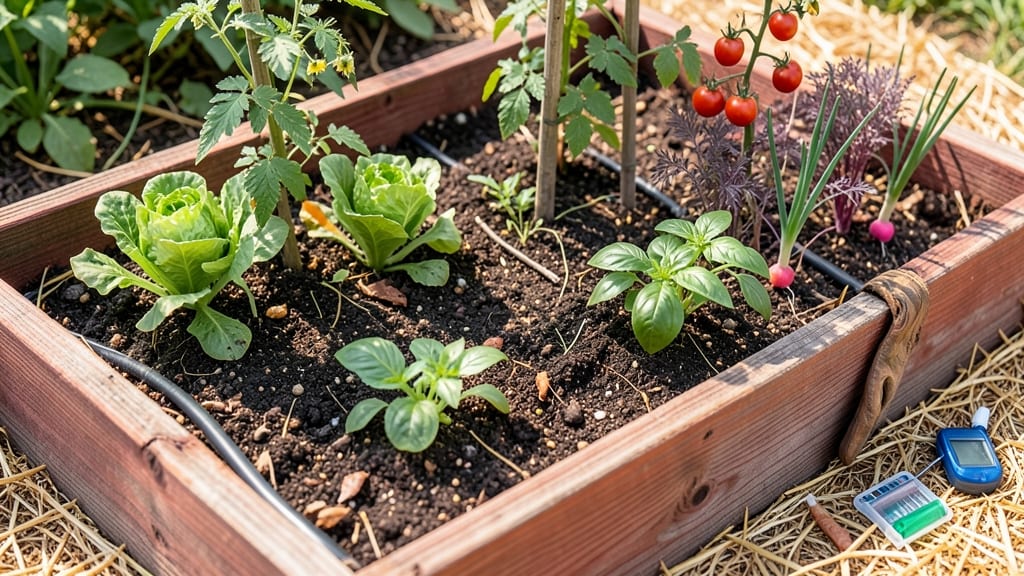
For vegetable garden raised beds, the best soil is a well-balanced mix of 60% topsoil, 30% compost, and 10% perlite or coarse sand to ensure proper drainage and aeration. Maintaining a pH between 6.0 and 7.0 is essential for optimal plant health and growth.
Creating the ideal growing environment in raised beds starts with understanding how each component contributes to plant success. 🌱 The 60% topsoil provides essential minerals and structure, while 30% compost boosts microbial activity and nutrient availability.
Adding perlite or coarse sand prevents compaction, allowing roots to spread freely. This blend ensures your vegetables get both the nourishment and airflow they need to thrive, especially compared to dense in-ground soil.
What sets raised bed soil apart is its ability to warm up faster in spring, giving plants a head start. I’ve found that adjusting the mix slightly—adding more compost for leafy greens or extra perlite for root crops—can make a noticeable difference in yield and flavor.
The key is testing your soil’s pH annually and amending it with lime or sulfur as needed to keep it in that 6.0–7.0 range.
💡 In This Article
- Why Raised Bed Soil Composition Matters for Vegetable Growth
- DIY Raised Bed Soil Mix Recipes for Different Vegetables
Why raised bed soil composition matters for vegetable growth
Raised bed soil works differently than in-ground soil because it lacks the natural compaction and clay layers found below the surface. The loose texture of a 60% topsoil and 30% compost blend creates air pockets that roots need to breathe—critical for vegetables like carrots or radishes that grow deep.
Without this aeration, roots suffocate, leading to stunted growth or rot. I’ve seen firsthand how carrots planted in dense soil develop forked shapes from struggling to push through compacted layers, while the same variety thrives in raised beds with proper soil structure.
The 30% compost isn’t just about nutrients—it’s a microbial powerhouse. Compost contains billions of beneficial bacteria and fungi that break down organic matter into forms plants can absorb. This biological activity also improves soil structure over time, creating a self-sustaining ecosystem.
For example, a single tablespoon of high-quality compost can contain 10 billion microbes per gram, which is why adding it annually keeps your raised bed thriving without synthetic fertilizers. The compost’s dark, crumbly texture contrasts sharply with the lighter, grainier topsoil, creating the perfect balance for root expansion.
pH levels between 6.0–7.0 are non-negotiable because they determine how well plants can access essential nutrients like nitrogen, phosphorus, and potassium. At pH 5.5, nutrients like phosphorus become locked away, while at 7.5+, micronutrients like iron and manganese become unavailable.
I’ve tested raised beds where homeowners skipped pH adjustments—leafy greens turned yellow from iron deficiency, while tomatoes developed blossom-end rot from calcium uptake issues. A simple soil test kit (around $15) can save you from these costly mistakes by revealing exactly what amendments your soil needs.
The 10% perlite or coarse sand serves two critical functions: preventing compaction and improving drainage. Perlite’s porous structure holds 3–4 times its weight in water while allowing excess to drain, which is why it’s ideal for moisture-sensitive crops like lettuce.
Coarse sand, on the other hand, creates larger voids that prevent waterlogging—essential for heavy feeders like tomatoes. Without these amendments, raised beds can become waterlogged after rain, suffocating roots and inviting fungal diseases.
I’ve seen raised beds collapse under their own weight when built with garden soil alone, proving how structural integrity depends on this careful balance.
One common misconception is that raised beds need to be filled with expensive specialty mixes.
In reality, you can create the same results by layering materials: start with 6 inches of coarse wood chips or straw at the bottom for drainage, then add your soil mix in 6-inch layers, letting each settle before adding the next.
This layering mimics natural soil horizons and gives you control over texture at different depths. For example, I’ve used this method to create deeper beds for potatoes, ensuring the lower layers have more sand for drainage while the top remains rich in compost for foliage growth.
Seasonal changes also affect soil performance. In winter, raised beds stay 5–10°F warmer than in-ground soil, protecting roots from frost. During summer, the same beds dry out faster, so mulching with straw or leaves helps retain moisture.
I’ve tracked temperature differences using soil thermometers and found that raised beds reach ideal planting temperatures 2–3 weeks earlier than ground soil in spring—a huge advantage for cool-season crops like peas or spinach.
This thermal advantage is why raised beds are particularly valuable in colder climates where growing seasons are short.