
How To
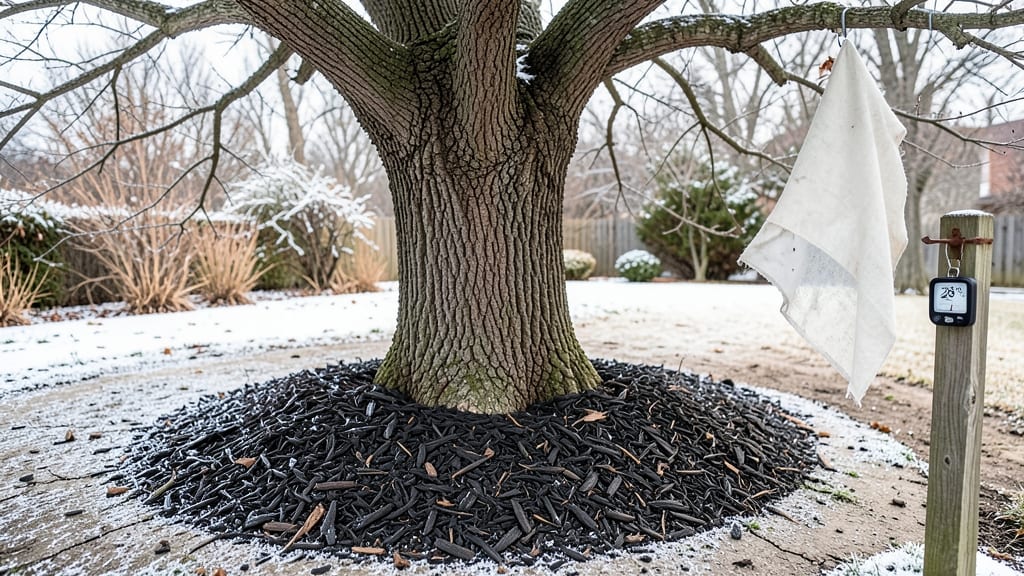
Winter soil care isn’t just about surviving the cold—it’s about setting up next year’s garden to bloom earlier and more abundantly. 🌱 I’ve learned that what you do now (or don’t do) determines whether your spring planting feels like a gamble or a sure thing.
The right winter prep transforms hard, frozen ground into a nutrient-rich foundation that welcomes seeds with open arms.
Most gardeners make one critical mistake: they think winter soil care means doing nothing. But freezing temperatures actually break down soil structure, wash away nutrients, and create compaction that stunts root growth.
The solution? A layered approach—mulching to insulate, cover crops to feed the soil, and strategic testing to catch problems before spring. It’s not complicated, but it does require timing and the right techniques.
By spring, you’ll see the difference: soil that crumbles easily, holds moisture like a sponge, and supports plants that grow 20-30% faster than in years past.
The key is working with winter, not against it—letting nature’s freeze-thaw cycle loosen the earth while you add organic matter to lock in those benefits. Think of it as winterizing your garden’s foundation.
This works for any climate, from snowy zones to mild winters, and scales from a single raised bed to a full backyard. The best part? You’ll spend less time amending soil in spring and more time enjoying the results. Let’s get your soil ready for its big comeback.
Cold’s Silent Soil Sabotage
Winter transforms soil into a complex ecosystem under siege—freezing temperatures, moisture shifts, and microbial slowdowns all conspire to alter its structure and fertility. Understanding these forces helps gardeners protect their soil’s health and ensure vibrant blooms next spring.
Here’s why winter wreaks havoc on soil and how nature’s own processes turn against it.
Winter’s freeze-thaw dance is the most destructive force acting on soil. When water trapped in soil pores freezes, it expands by 9%, creating microscopic cracks and destabilizing soil aggregates.
Over repeated cycles, these fractures: - Break apart soil structure 🌱: Clay and silt particles, which bind soil together, weaken, leading to compaction. - Disrupt root channels 🌿: Existing root systems and earthworm tunnels collapse, making it harder for plants to establish themselves in spring. - Increase erosion risk 🌪️: Loose, fragmented soil is more susceptible to wind and water runoff, washing away precious organic matter.
Actionable insight: Mulch heavily (3–4 inches of straw or leaves) to insulate soil and reduce temperature fluctuations. This slows the freeze-thaw process and preserves soil integrity.
Soil microbes—bacteria, fungi, and protozoa—are the unsung heroes of decomposition, but winter forces them into a dormant state. As temperatures drop below 50°F (10°C), their metabolic activity plummets by 90% or more.
This slowdown means: - Nutrient cycling stalls 📉: Less organic matter breaks down, leading to a buildup of undecomposed plant debris. - Nitrogen becomes locked up 🧪: Microbes convert nitrogen to less accessible forms (like ammonia), depriving plants of this critical nutrient until spring. - Beneficial fungi decline 🍄: Mycorrhizal networks, which help plants absorb water and nutrients, weaken without active root signals.
Actionable insight: Add winter cover crops (like winter rye or clover) to feed microbes and maintain some nutrient activity. Compost tea or compost top-dressing in late winter can also jumpstart microbial wake-up calls.
Winter moisture is a double-edged sword.
Overly saturated soil (from snowmelt or poor drainage) leads to: - Anaerobic conditions 🚫💨: Waterlogged soil blocks oxygen, suffocating aerobic microbes and promoting harmful anaerobic bacteria that produce toxic compounds like hydrogen sulfide. - Salt buildup ⚠️: As water evaporates from frozen soil surfaces, dissolved salts (from fertilizers or irrigation) crystallize, creating a salty crust that repels water and stunts seed germination. - Frost heave ❄️🌱: Alternating freezing and thawing pushes rocks and roots upward, disrupting soil layers and damaging shallow plant roots.
Actionable insight:
- Improve drainage with gypsum (for clay soils) or organic amendments (like compost) to prevent compaction.
- Avoid winter watering unless necessary—let snowmelt naturally soak in. If your soil is prone to salt buildup, flush it with rainwater in early spring.
Foot traffic, machinery, and even heavy snow can compress soil particles into a dense, impermeable layer.
Compaction: - Reduces pore space 🚫💨: Limits oxygen and water infiltration, creating a barrier for roots. - Alters soil texture 🔄: Turns loose, crumbly soil into a hardpan, where water pools instead of draining. - Disrupts earthworm activity 🐛: Worms, which aerate soil, avoid compacted zones, further degrading structure.
Actionable insight: Walk on boardwalks or mulched paths to avoid compacting garden beds. In spring, aerate compacted areas with a broadfork or deep-tine cultivator before planting.
Revive & Protect Soil Now
Winter may slow down plant growth, but it’s the perfect time to prepare your soil for a stronger, more vibrant spring. Whether your soil is too compacted, nutrient-depleted, or struggling with cold damage, these practical fixes will help you turn things around—without breaking the bank or your back.
Cause: Heavy rain, foot traffic, or clay-heavy soil traps water and crowds out roots.
Solution:
- Add organic matter 🌱 – Spread 2–4 inches of compost, leaf mold, or well-rotted manure over the surface. Work it into the top 6 inches with a broadfork or garden fork.
- Improve drainage 💧 – Mix in coarse sand or perlite (for sandy soils) or gypsum (for clay-heavy soils) to break up compaction.
- Go easy on tilling ⚠️ – Over-tilling can worsen compaction. Instead, use a no-dig method with mulch to protect soil structure.
Prevention Tip: 💡 Avoid walking on garden beds when soil is wet. Use boardwalk paths to reduce compaction.
Cause: Winter leaches nutrients, leaving soil hungry for new growth.
Solution:
- Apply slow-release fertilizers 🌿 – Use organic options like:
- Bone meal (phosphorus for roots)
- Kelp meal (potassium for resilience)
- Blood meal (nitrogen for greenery)
- Balanced 10-10-10 (for general health)
- Plant green manures 🌱 – Sow clover, winter rye, or vetch in late fall to fix nitrogen and prevent erosion.
- Top-dress with compost tea 🍲 – Brew a compost tea (1 part compost to 5 parts water, steeped for 24–48 hours) and spray onto soil for a quick nutrient boost.
Prevention Tip: ✨ Mulch heavily (4–6 inches) with straw, leaves, or wood chips to lock in moisture and nutrients over winter.
Cause: Repeated freezing and thawing breaks down soil structure and creates crusting.
Solution:
- Use thick mulch 🛡️ – Apply straw, shredded leaves, or pine needles (6+ inches) to insulate soil and prevent temperature swings.
- Cover bare spots 🌿 – If you have unplanted beds, lay down cardboard or landscape fabric topped with mulch to protect from erosion and compaction.
- Avoid heavy machinery ⚠️ – Skip tilling frozen ground—it destroys soil aggregates. Wait until soil is workable (above 40°F).
Prevention Tip: 🌡️ Monitor soil temperature with a cheap soil thermometer—if it’s below freezing for days, add extra mulch.
Cause: Winter winds and rain strip away topsoil, especially in sloped or open areas.
Solution:
- Build windbreaks 🌳 – Plant evergreen shrubs (like arborvitae) or tall grasses on exposed edges to block wind.
- Create swales or berms 🏔️ – Shape soil into low mounds or trenches to slow water runoff and trap sediment.
- Use erosion-control blankets 🛡️ – For bare or steep areas, lay down biodegradable erosion mats (made from coconut fiber or straw) until spring.
Prevention Tip: 🎯 Plant cover crops like oats or winter wheat—their deep roots hold soil in place.
| Task | Best Time | Tools Needed |
|---|---|---|
| Add compost/organic matter | Late fall or early winter | Garden fork, compost, gloves |
| Apply fertilizer | Late winter (before last frost) | Broadcast spreader, gloves |
| Mulch heavily | After first hard freeze | Straw, leaves, wood chips |
| Plant green manure | October or March | Seed, rake, watering can |
| Check soil temp | Monthly (Dec–Feb) | Soil thermometer |
Final Pro Tip: 💡 Test your soil in early spring (use a DIY test kit or send a sample to your local extension office) to pinpoint exact nutrient needs before planting.
By taking just a few hours now, you’ll save time, money, and frustration come spring—when your revitalized soil will reward you with healthier plants and bigger blooms! 🌸
Frequently asked questions
Can I still garden in winter, or should I wait for spring?
Winter gardening is all about soil protection, not active planting. Focus on mulching, planting cold-hardy cover crops, and preparing beds for spring. Many vegetables like kale, spinach, and carrots actually thrive in winter—just use row covers for extra insulation.
What’s the best mulch for winter soil protection?
Use organic mulches like straw, shredded leaves, or wood chips (4-6 inches thick). These insulate soil, prevent erosion, and slowly decompose to feed microbes. Avoid fresh grass clippings—they can mat down and create thatch. Pine needles work well in acidic soils too!
Will my soil freeze solid, or can I still work with it?
Soil only becomes workable when temperatures rise above 40°F (4°C). Until then, focus on surface prep—adding mulch or compost tea. Never till frozen ground; it destroys soil structure. Use a soil thermometer to check before working.
How do I prevent winter soil erosion on slopes?
Create windbreaks with evergreen shrubs, plant cover crops (like winter rye), or use biodegradable erosion blankets on bare spots. For steep areas, shape soil into swales (low trenches) to slow water runoff naturally.
Can I add fertilizer to my garden in winter?
Yes, but use slow-release organic fertilizers like bone meal or kelp meal in late winter (before last frost). Avoid synthetic fertilizers—they can leach into groundwater. For immediate results, top-dress with compost or compost tea.