
How To
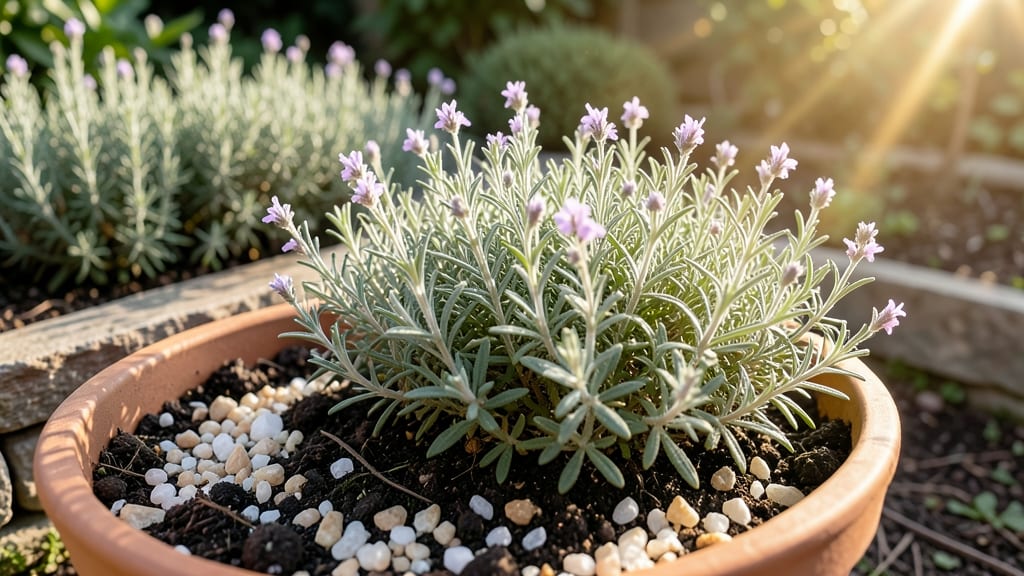
The right soil for thyme is the difference between a fragrant, sprawling groundcover and a struggling, sparse plant. 🌿 Thyme thrives in loose, well-draining soil that mimics its Mediterranean roots—where it grows wild on rocky slopes.
Too much clay or compacted soil suffocates its roots, while the perfect blend keeps moisture just out of reach, preventing rot while delivering steady hydration. Start with a sandy-loam base—think 60% mineral soil, 30% coarse sand (or perlite), and 10% organic matter like composted leaf mold or aged manure.
Aim for a pH of 6.0 to 7.5, slightly alkaline to neutral; test your soil with a simple kit if unsure. In heavy clay? Mix in 3-4 inches of gritty sand or crushed granite to break up compaction.
You’ll know it’s working when thyme sends out low, woody stems and fills the air with that piney-citrus scent. The plants stay drought-tolerant once established, but young thyme needs occasional watering to encourage root spread. Overwatering is the silent killer—thyme hates soggy feet.
For Mediterranean climates, minimal amendments work; temperate zones may need extra sand or gravel. Mulch lightly with pebbles or straw to retain moisture without smothering roots. Now, let’s get that soil ready for thyme’s signature fragrance and resilience.
📚 In This Guide
- What you need
- Instructions
- Tips and common mistakes
- Wrapping up and next steps
What you need
- ● Potting soil (or garden soil): 50% of the mix (use a high-quality, sterile option like Miracle-Gro Potting Mix or FoxFarm Ocean Forest).
- ● Perlite or coarse sand: 20% of the mix (improves drainage; perlite is preferred for moisture control).
- ● Compost or worm castings: 20% of the mix (adds organic nutrients; worm castings are ideal for gentle enrichment).
- ● Peat moss or coconut coir: 10% of the mix (retains moisture without compacting; coconut coir is eco-friendly).
- ● Garden gloves (to protect hands from grit and soil).
- ● Large mixing container (a wheelbarrow or 5-gallon bucket works well).
- ● Hand trowel or small shovel (for blending ingredients).
- ● Watering can or hose (to moisten the mix before planting).
- ○ pH testing kit (optional but helpful)—thyme prefers slightly alkaline soil (pH 6.0–7.5).
- ● Slow-release fertilizer (like OsmoCote Smart-Release) for extra nutrients.
- ● Thyme seeds or seedlings (if you’re starting from scratch!).
- ● Mulch (gravel or straw) to keep soil loose and suppress weeds.
Creating the ideal soil mix for thriving thyme plants
Thyme demands a loose, airy soil blend that mimics its Mediterranean roots—here's how to craft it perfectly.
🌱 Step 1: Select Your Base Soil Components
Start with 50% high-quality potting mix as your foundation—this provides essential nutrients while remaining lightweight. For the remaining 50%, combine 25% coarse sand (like perlite or horticultural grit) and 25% compost for organic matter. The sand prevents compaction, while compost feeds the plant's shallow roots.
I always sift the sand first to remove fine particles that could clog the mix. Thyme's tiny roots need room to breathe, so avoid garden soil—it's too dense and will suffocate the plant. If you're using store-bought potting mix, check for peat-free options to reduce environmental impact.
💧 Step 2: Adjust Texture for Perfect Drainage
Mix the components thoroughly in a large container, breaking up any clumps in the potting mix. For four 12-inch pots, you'll need about 4 gallons total—roughly 2 gallons potting mix, 1 gallon sand, and 1 gallon compost. The blend should feel light and crumbly, like dry cake batter.
Test the texture by squeezing a handful—it should hold its shape slightly but crumble easily when pressed. If it feels too dense, add another 10% sand. Thyme's roots are shallow and sensitive to waterlogging, so drainage is non-negotiable. Real talk: I once grew thyme in regular garden soil, and within weeks, the roots rotted from poor airflow.
☀️ Step 3: Amend for pH and Nutrient Balance
Thyme thrives in slightly alkaline soil (pH 6.5-7.5). If your tap water is acidic, mix in 1 tablespoon of crushed limestone per gallon of mix to raise the pH. For nutrients, add 1 teaspoon of balanced organic fertilizer (10-10-10) per gallon, but skip this if using compost-heavy mix—it's already nutrient-rich.
Stir everything together until the color is uniform. The final blend should look dark but speckled with lighter sand particles. Avoid over-amending—thyme is drought-tolerant once established and doesn't need heavy feeding. Here's the thing: too much fertilizer leads to leggy growth and weak flavor.
✂️ Step 4: Prepare Pots for Planting
Fill your containers 2/3 full with the mix, leaving 1-2 inches at the top for watering. For 4 plants, use pots with drainage holes—terracotta or fabric pots work best. Tap the pots gently to settle the soil without compacting it. Thyme's roots spread horizontally, so wider pots (6+ inches) are better than deep ones.
Water the mix lightly before planting to eliminate air pockets. You'll know it's ready when moisture beads on the surface but doesn't pool. Avoid soggy soil—thyme's roots will reject it immediately. I like to let the mix sit for 24 hours before planting to let the pH stabilize, especially if I've added amendments.
🪴 Step 5: Maintain the Soil Through Growth
After planting, water only when the top inch of soil feels dry—thyme hates soggy conditions. Once established, reduce watering to once every 10-14 days, as the plant stores moisture in its woody stems. Every 3-4 months, top-dress with 1/4 inch of compost to replenish nutrients without disturbing the roots.
If you notice yellowing leaves, it's usually a sign of overwatering or poor drainage. Flush the soil with water to leach out excess salts, then adjust your watering schedule. Thyme's resilience is legendary, but even it can't recover from waterlogged roots. This is the moment that matters: a well-draining mix now saves you from root rot later.
Tips & tricks for perfect thyme soil blend
Here's what nobody tells you about crafting thyme's dream growing environment—these tricks make all the difference. Between us, thyme is particular, but when you nail the soil, you'll have fragrant, bushy plants that last for years.
Texture is Everything: When testing your mix's crumbly texture in Step 2, aim for a consistency like a well-aerated chocolate cake batter—not too dense, not too loose. If your blend feels like wet sand, add another 10% sand (up to 35% total) to prevent compaction. Thyme's roots need that air space to thrive, and this is where most gardeners go wrong. I learned this the hard way after watching my first batch of thyme plants develop root rot within weeks.
pH Testing Matters: While the instructions mention crushed limestone for acidic water, you can also test your tap water's pH with a simple soil test kit (around $10). Thyme prefers 6.5-7.5, so if your water tests below 6.0, add limestone as directed. Pro tip: If you're using rainwater or well water, test it separately—some sources can be surprisingly acidic. The difference between a thriving thyme plant and one that struggles often comes down to this single, seemingly insignificant step.
Compost Quality Control: Not all compost is created equal. For Step 1, use well-aged compost (at least 6 months old) that's dark and crumbly, not smelly or slimy. Fresh manure or poorly decomposed compost can introduce harmful pathogens or burn thyme's sensitive roots. I always double-check by looking for no visible chunks and a slightly earthy smell. This small precaution prevents future headaches with stunted growth or leaf discoloration.
Storage Strategy: After creating your mix, store it in airtight containers for up to 3 months in a cool, dry place. If you're not using it immediately, cover with a damp towel to maintain moisture without making it soggy. For long-term storage beyond 3 months, add a bit of dry sand (about 5% of the total volume) to absorb any excess moisture that might develop over time. This keeps your mix ready for planting whenever you're ready to grow thyme.
Pro Tips for Soil For Thyme
- Here's what nobody tells you about crafting thyme's dream growing environment—these tricks make all the difference.
- Texture is Everything: When testing your mix's crumbly texture in Step 2, aim for a consistency like a well-aerated chocolate cake batter—not too dense, not too loose.
- pH Testing Matters: While the instructions mention crushed limestone for acidic water, you can also test your tap water's pH with a simple soil test kit (around $10).
Frequently asked questions
Got questions about the perfect soil for thyme?
You’re not alone! Whether you're a seasoned gardener or just starting, these answers will help you grow lush, fragrant thyme with ease.
What’s the ideal soil pH for growing thyme?
Thyme thrives in slightly alkaline to neutral soil, with a pH range of 6.0 to 8.0. Test your soil with a simple kit—if it’s too acidic (below 6.0), amend it with crushed limestone. Pro tip: Thyme is tough and adaptable, so even slight deviations won’t kill it, but optimal pH ensures the best flavor and growth!
How often should I water thyme in well-draining soil?
Thyme hates soggy roots, so water only when the top 1 inch of soil feels dry—about once a week in warm weather, less in cooler months. Overwatering is the #1 killer of thyme! Let the soil dry out between waterings to mimic its Mediterranean habitat. Drainage tip: If your blend stays damp for days, mix in perlite or coarse sand.
Can I reuse potting soil from last year’s thyme?
Not ideal! Old soil can compact over time, reducing drainage, or harbor disease or pests. Refresh your mix by combining 50% new well-draining blend (like your homemade recipe) with 50% compost for nutrients. Sterilize reused soil by baking it at 200°F (93°C) for 30 minutes if pests are a concern.
What’s a quick alternative if I don’t have all the ingredients?
No worries! A DIY shortcut is 50% coconut coir (or peat moss) + 30% perlite + 20% compost. Skip the sand if you’re in a hurry—thyme grows well in this mix too. For container gardening, add a handful of orchid bark for extra air pockets. Bonus: Use a store-bought "cactus/succulent mix" as a base and tweak with compost.
Why is my thyme turning yellow, even with the right soil?
Yellow leaves often signal overwatering or poor drainage, but check for these too:
- Nutrient deficiency: Add a balanced fertilizer (low in nitrogen) every 4–6 weeks.
- Fungal issues: Ensure soil isn’t waterlogged; improve airflow by spacing plants.
- Too much shade: Thyme needs 6+ hours of sunlight daily.
Trim the yellow leaves and adjust care—thyme bounces back fast!
Wrapping up and next steps
Choosing the right soil for thyme is the secret to unlocking its full potential—fragrant, hardy, and thriving! A loose, well-draining blend with sand, compost, and minimal clay ensures your thyme stays healthy and flavorful. With the right mix and care, you’ll enjoy a bountiful harvest ready for cooking or crafting.
Ready to get growing? Start small—plant a few sprigs in your mix, monitor the soil moisture, and watch your thyme flourish! 🌱 Soon, you’ll be savoring homegrown goodness in every dish.