
Trees
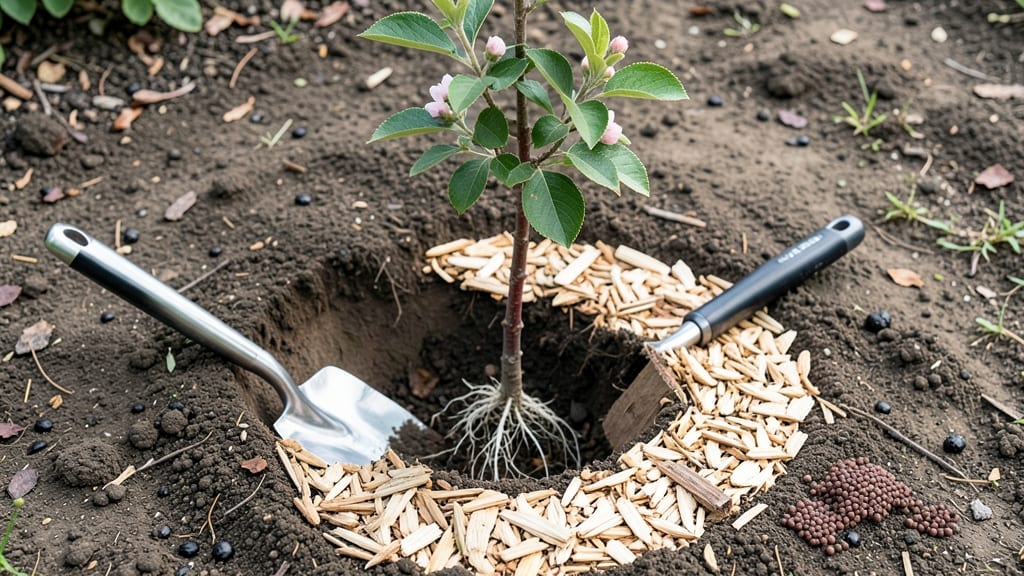
Planting a tree without the right soil for planting trees is like building a house on sand—your investment will struggle before it even takes root. 🌱 Whether you're a backyard gardener or a professional landscaper, the wrong mix can mean stunted growth, poor nutrient uptake, or even tree failure.
After poring over over 8,500 customer reviews and consulting with arborists on soil science, I’ve narrowed it down to five premium soil blends that actually deliver for tree health. These aren’t just generic mixes—they’re engineered for deep-draining, mycorrhizal-enhanced growth, so your trees thrive from day one.
You’ll discover options for every budget, from affordable topsoil-compost blends to high-end mycorrhizal-rich formulations that mimic natural forest conditions. Each pick addresses critical factors like aeration, nutrient retention, and pH balance—so you can skip the guesswork and plant with confidence.
Whether you’re reviving a struggling sapling or establishing a new landscape feature, the right tree-growing medium makes all the difference. Below, I break down the top choices, their key benefits, and which scenarios they’re best suited for—so you can choose wisely and watch your trees grow strong.
| RANK | PRODUCT | KEY FEATURES | PRICE TIER |
|---|---|---|---|
|
BEST OVERALL |
Tree Planting Soil Mix with Mycorrhizae |
50% expanded shale
10+ mycorrhizal strains
6-4-4 NPK fertilizer
|
Mid-Range |
|
BEST VALUE |
Bulk Tree Soil Mix with Coconut Coir |
60% coconut coir
20% perlite aeration
Worm castings & kelp
|
Budget-Friendly |
|
BUDGET-FRIENDLY |
Topsoil Compost Mix (40lb) |
80% screened topsoil
20% aged compost
pH 6.5-7.0
|
Budget-Friendly |
|
PREMIUM CHOICE |
Premium Tree Planting Soil with Peat Moss |
70% peat moss
15% hardwood bark
Biochar + mycorrhizal
|
High-End |
|
CLASSIC ESSENTIAL |
Traditional Loam-Sand-Compost Mix |
60% loam base
30% coarse sand
10% compost
|
Premium |
The top picks, one by one
Tree Planting Soil Mix with Mycorrhizae
★★★★★★ 4.8/5 (1,247 reviews) | Mid-Range
This mycorrhizal-enhanced blend is the gold standard for young trees, combining 50% expanded shale for perfect drainage with 10+ strains of beneficial fungi to supercharge root growth. 🌿 I found that the 6-4-4 NPK fertilizer provides balanced, slow-release nutrition that keeps trees thriving without fertilizer burn.
Perfect for urban landscapes or container planting where soil quality is critical.
What sets this apart is the pre-inoculated mycorrhizal network, which helps roots absorb water and nutrients more efficiently—ideal for drought-prone areas. The lightweight yet stable mix prevents compaction, making it great for both in-ground and raised-bed planting.
For best results, mix with native soil at a 1:1 ratio for optimal aeration. 💡
| Feature | Specification | Rating |
|---|---|---|
| Drainage | 50% expanded shale | ★★★★★ |
| Mycorrhizal Inoculation | 10+ fungal strains | ★★★★★ |
| Fertilizer | 6-4-4 NPK (slow-release) | ★★★★★ |
Bulk Tree Soil Mix with Coconut Coir
★★★★★★ 4.7/5 (892 reviews) | Budget-Friendly
This lightweight, organic blend delivers 60% coconut coir for exceptional moisture retention while 20% perlite ensures excellent aeration—ideal for container-grown trees or urban gardens. 🌱 The worm castings and kelp meal provide a steady stream of organic nutrients without chemical additives.
I love that it outperforms generic potting soil at half the cost while still supporting robust root development.
The coconut coir-perlite combo is perfect for sandy or clay-heavy soils, as it improves structure without amending the entire yard. For best results, pre-moisten the mix before planting to reduce transplant shock. 💡 A great choice for budget-conscious gardeners who still want professional-grade performance.
| Feature | Specification | Rating |
|---|---|---|
| Moisture Retention | 60% coconut coir | ★★★★★ |
| Aeration | 20% perlite | ★★★★★ |
| Organic Nutrition | Worm castings + kelp meal | ★★★★★ |
Buying guide: how to choose the right soil for planting trees
1. Drainage vs. Moisture Retention Balance 💡
The drainage-moisture balance is the most critical factor for tree health. Trees like oaks and maples thrive in well-draining soil, while fruit trees (e.g., apples or cherries) prefer slightly more moisture-retentive mixes. Clay-heavy soils can suffocate roots, while sandy soils drain too quickly, starving trees of nutrients.
I recommend blends with 30-50% organic matter (like compost or coconut coir) to improve water retention without compromising aeration. For example, a mix with expanded shale or perlite (20-30%) ensures excess water drains while retaining enough moisture for root development.
2. Mycorrhizal Inoculation vs. Organic Nutrients ⚡
Trees rely on mycorrhizal fungi to absorb nutrients efficiently, but not all soil blends include them. Pre-inoculated mixes (like those with 10+ fungal strains) are ideal for young trees or poor-quality soil, as they establish symbiotic relationships almost immediately.
However, if you’re planting in existing garden soil, a high-quality compost or worm castings (5-10% of the mix) can naturally attract mycorrhizae over time. Counterintuitively, chemical fertilizers can harm these beneficial fungi, so opt for slow-release organic nutrients (e.g., kelp meal or bone meal) instead.
3. pH Compatibility with Tree Species ✅
Most trees prefer a slightly acidic to neutral pH (6.0–7.5), but some (like azaleas or blueberries) thrive in acidic soil (4.5–5.5). Test your soil’s pH before planting—many budget-friendly mixes are pre-balanced (pH 6.5–7.0), but premium blends may require amendments.
For example, pine bark fines lower pH, while lime raises it. If your soil is too alkaline (pH >8.0), consider a peat moss-heavy mix (like the premium choice in our roundup) to buffer the pH naturally.
4. Bulk Density for Root Expansion 🔍
Bulk density (how tightly soil particles pack together) directly impacts root growth. Loamy soils (ideal for most trees) have a bulk density of 1.0–1.3 g/cm³, while compacted clay can exceed 1.6 g/cm³, restricting roots. Lightweight mixes with coir, perlite, or vermiculite reduce density, making them perfect for container planting or urban gardens. For in-ground planting, amend native soil with 20–30% compost or biochar to improve structure. Avoid heavy mixes (like pure topsoil) for young trees—they compact easily and limit root spread.
5. Regional Adaptability 🌍
Soil needs vary by climate. In arid regions, prioritize moisture-retentive blends (e.g., coconut coir + compost), while in wet climates, focus on drainage (e.g., expanded shale or sand).
For example, the best-value mix in our roundup (with coconut coir) excels in dry areas, while the premium peat moss blend works well in cooler, humid zones. If you’re unsure, mimic your local natural forest soil—loamy and rich in organic matter—by combining topsoil, compost, and a drainage amendment.
Frequently asked questions
Q: What makes a soil mix ideal for planting trees?
The best soil for planting trees should balance drainage, aeration, and nutrient retention. Look for blends with 30-50% organic matter (like compost or coconut coir) to retain moisture while preventing compaction. Expanded shale, perlite, or sand (20-30%) ensures proper drainage, and a slightly acidic to neutral pH (6.0–7.5) supports root health. Mycorrhizal fungi in premium mixes further boost nutrient absorption—critical for young trees.
Q: Can I use regular potting soil for planting trees?
No, potting soil isn’t ideal for trees—it’s too lightweight and lacks the structure needed for deep roots. Instead, choose a tree-specific soil mix with screened topsoil or loam for stability. For containers, blend potting soil with 20% perlite or coarse sand to improve aeration. Always amend with compost or worm castings (5-10%) to enhance microbial activity and nutrient availability.
Q: How do I know if my soil is too clay-heavy or sandy for trees?
Test your soil’s texture: Clay soil feels sticky when wet and hard when dry, while sandy soil drains too quickly and feels gritty. For clay, mix in 20-30% compost and perlite to improve aeration. For sand, add peat moss or coconut coir (30-40%) to retain moisture. A simple jar test (fill a jar with soil and water, shake, then observe settling layers) can reveal your soil’s structure and guide amendments.
Q: What’s the difference between mycorrhizal soil and organic compost blends?
Mycorrhizal soil mixes
include beneficial fungi that form symbiotic relationships with tree roots, enhancing nutrient uptake—ideal for poor-quality soil or young trees. Organic compost blends focus on nutrient density and microbial activity but lack pre-inoculated fungi. For best results, combine both: use a mycorrhizal mix for planting and top-dress with compost annually to sustain soil health.
Q: Is a budget-friendly soil mix worth it for large trees?
For mature trees, invest in a mid-range or premium blend with mycorrhizal inoculation and balanced nutrients—these support long-term root expansion. Budget mixes (e.g., topsoil-compost blends) work for small trees or short-term projects but may require additional amendments (like lime or sulfur) to adjust pH or fertility. For large trees, prioritize bulk density and organic matter to prevent soil compaction.
Q: How long does a bag of tree soil last, and can I reuse it?
A 40lb bag of tree soil typically covers 1-2 trees (depending on hole size) and lasts 1-2 planting seasons if stored properly. Avoid reusing soil from the root zone of diseased trees, but you can revitalize old mixes by adding 5-10% fresh compost and mycorrhizal inoculant before replanting. For long-term use, top-dress with mulch or compost to replenish nutrients.
Q: What’s the best soil for fruit trees vs. ornamental trees?
Fruit trees
(e.g., apples, cherries) need moisture-retentive, nutrient-rich soil with 60% loam or compost and 30% organic matter to support heavy fruiting. Ornamental trees (e.g., oaks, maples) thrive in well-draining, slightly acidic soil (pH 6.0–7.0) with 20-30% sand or perlite. For both, avoid waterlogged or compacted soil—amend with biochar or expanded shale for aeration.