
Container Gardens
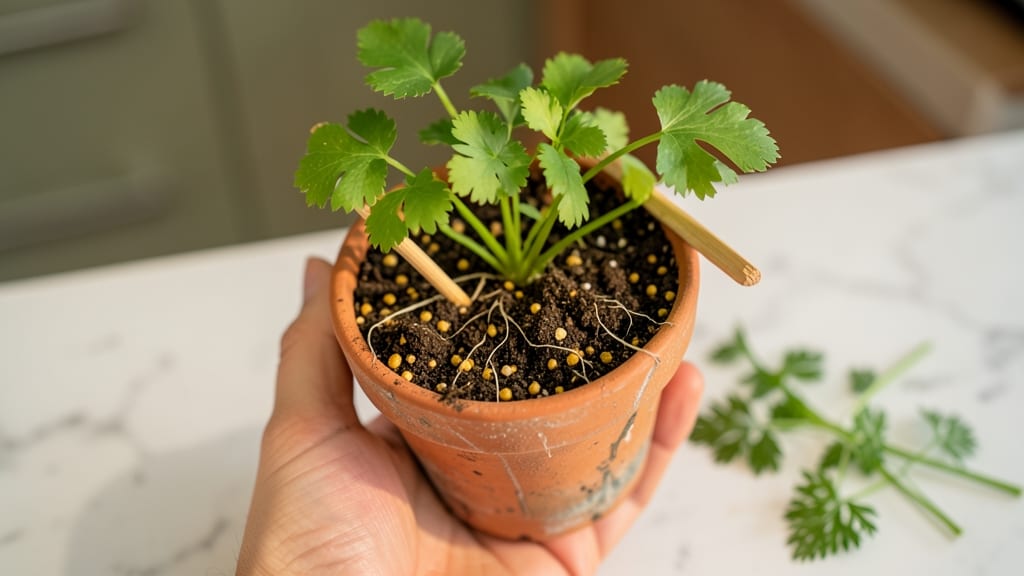
Growing herbs in pots demands the right soil mix—one that drains fast, stays aerated, and delivers nutrients without smothering roots. These 10 lightweight soil blends prevent root rot while maximizing flavor, whether you’re growing basil, thyme, or rosemary.
Cactus And Succulent Mix
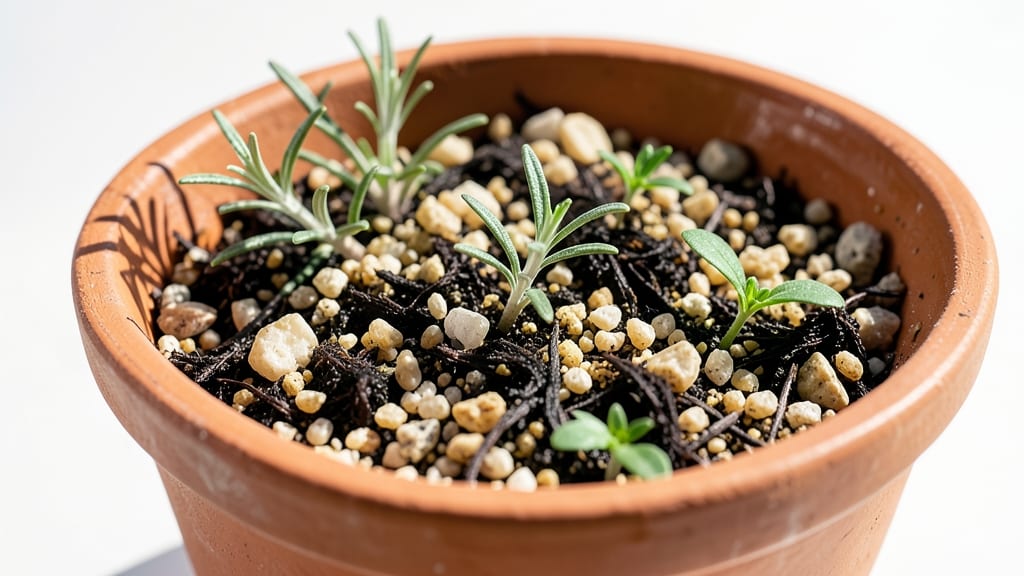
If you’ve ever struggled with overwatering your rosemary or oregano, a cactus and succulent mix might be your secret weapon. This gritty, mineral-rich blend mimics the dry conditions these Mediterranean herbs thrive in, while keeping roots oxygenated and preventing soggy soil.
Start with 50% cactus/succulent soil (or potting mix with added perlite) and 30% coarse sand or pumice for drainage. Add 20% compost or worm castings for nutrients—just enough to fuel growth without retaining moisture. The key is the chunky texture, which mimics desert soil and prevents compaction. For best results, water only when the top inch feels bone-dry, and use pots with drainage holes.
This mix is perfect for urban gardeners with limited water or those who travel frequently. It’s also ideal for terracotta pots that dry out faster than plastic. Your drought-tolerant herbs will reward you with bold, aromatic leaves—and fewer wilting emergencies. 🌱
Peat-Free Coco Coir Blend
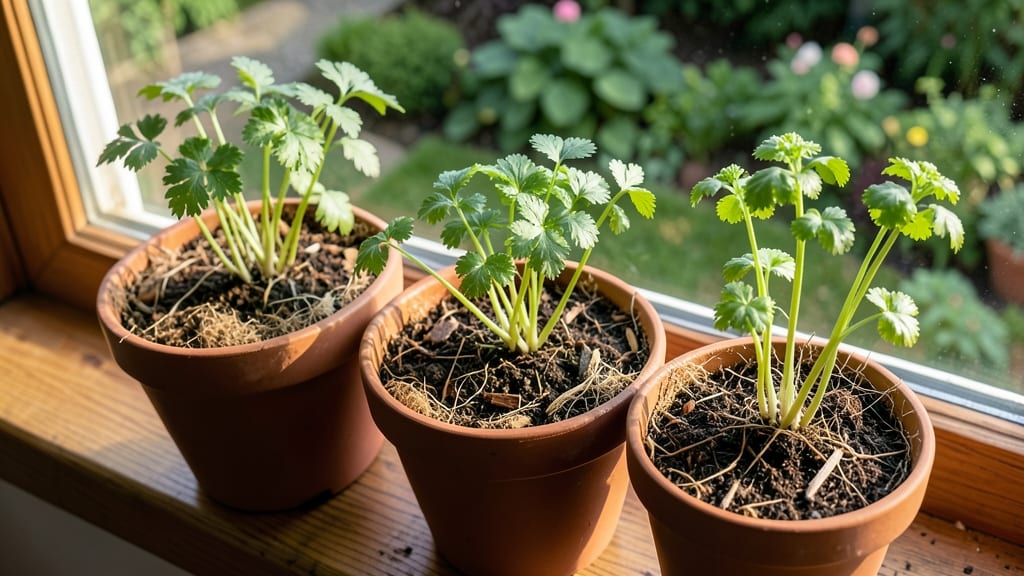
If you’ve struggled with cilantro bolting or parsley wilting in small pots, a peat-free coco coir blend could be your game-changer. This eco-friendly alternative mimics peat moss’s moisture retention without the environmental harm, while its fluffy texture prevents the dreaded compaction that suffocates roots in tight containers.
To use it, mix coco coir (a byproduct of coconut husks) with perlite or vermiculite (2:1 ratio) for extra aeration. This combo holds just enough moisture for moisture-loving herbs while allowing excess water to drain—critical for 6-inch pots where roots compete for space. Add a sprinkle of worm castings for flavorful growth, and your herbs will thrive without the risk of soggy soil.
Urban gardeners and eco-conscious growers will love this blend’s sustainability, while beginners appreciate its forgiving nature. Swap it in for your next cilantro crop and say goodbye to leggy, bitter leaves. 🌱
Organic Potting Soil With Perlite
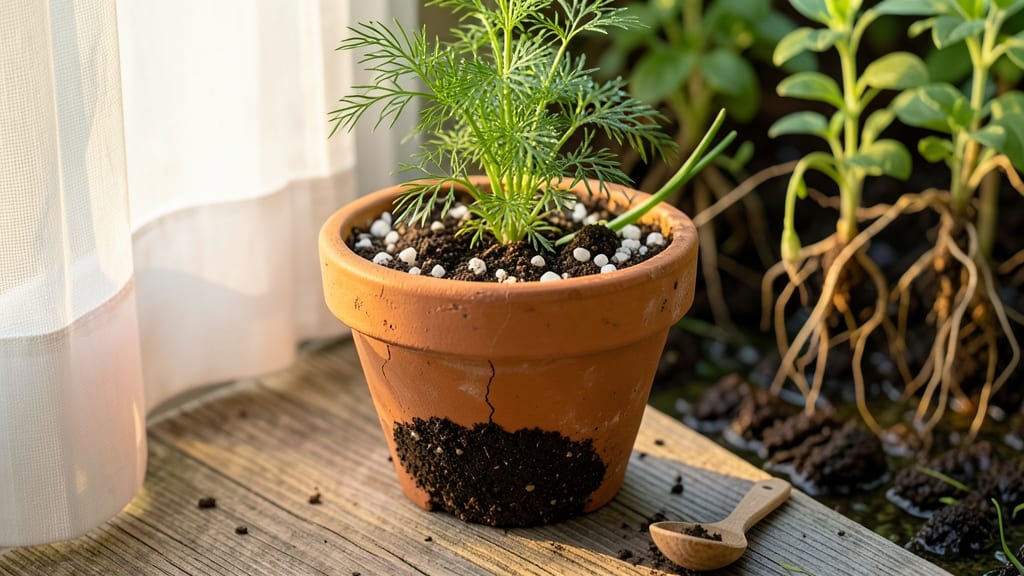
Struggling with herbs that wilt or rot in shallow pots? A balanced mix of organic potting soil and perlite is the secret weapon for dill, chives, and other moisture-sensitive herbs—it keeps roots happy without drowning them.
Start with 60% organic potting soil (rich in compost) and 40% perlite (for aeration). This combo prevents waterlogging while providing nutrients, making it ideal for shallow containers where drainage struggles. For extra flavor, add a handful of worm castings—your herbs will thank you with lush growth and bold taste.
Perfect for urban gardeners with limited space or anyone growing fast-growing herbs in small pots. Your kitchen garden just got an upgrade! 🌱
Sand And Compost Mix
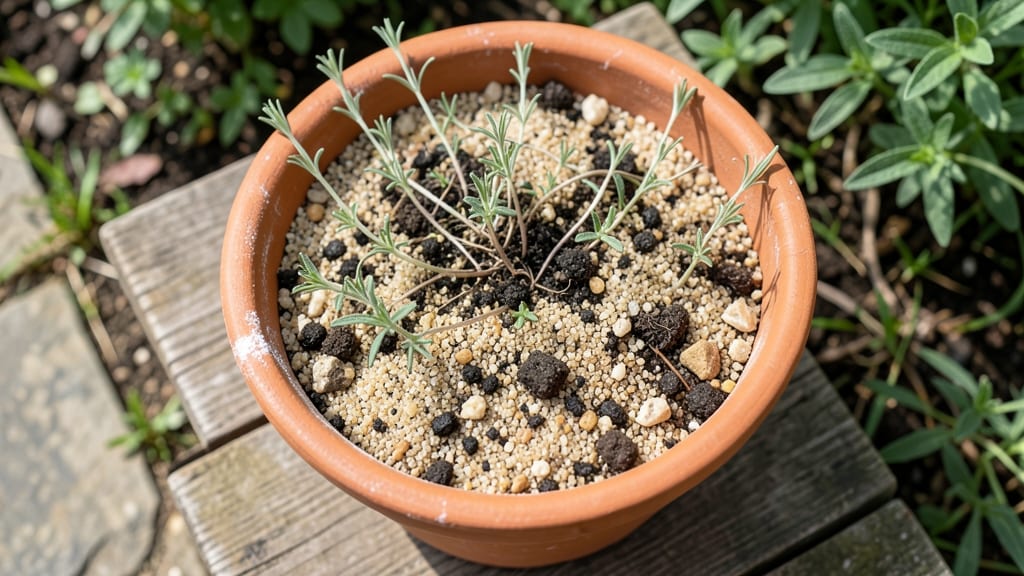
If your thyme or sage plants struggle with soggy roots or salt buildup from tap water, a sand and compost mix is your solution. This coarse blend mimics the Mediterranean growing conditions these herbs thrive in, where fast drainage prevents root rot while allowing roots to spread freely.
Use coarse builder’s sand (not fine play sand) mixed with well-aged compost in a 2:1 ratio—this creates a gritty texture that mimics rocky soil. The sand prevents compaction, while compost provides nutrients without clinging to roots. Water thoroughly until it drains from the pot’s bottom, then let the top inch dry before watering again. This mix is especially helpful for urban gardeners with limited space, as it keeps herbs healthy in shallow containers.
This blend is ideal for anyone growing drought-tolerant Mediterranean herbs in pots, offering both drainage and nutrition without the risk of overwatering. Your herbs will reward you with robust growth and intense flavor. 🌿
Vermiculite-Enhanced Seed Starting Mix
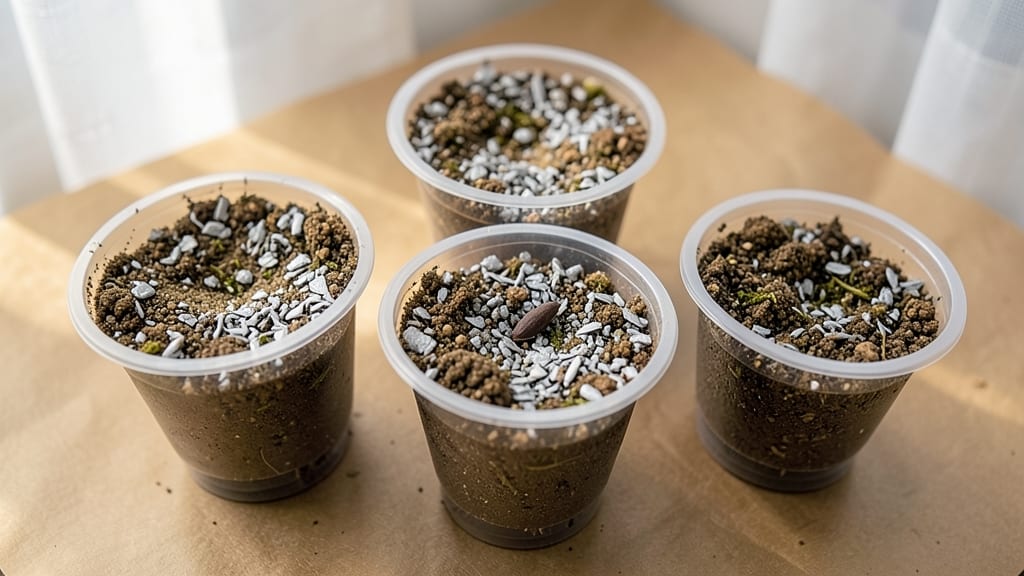
Struggling with slow or uneven germination for your favorite herbs? A vermiculite-enhanced seed starting mix is your secret weapon for coaxing delicate seeds like parsley or coriander to sprout faster and stronger. This lightweight blend retains just enough moisture while regulating soil temperature—ideal for seeds that need warmth to break dormancy.
Mix equal parts sterile seed-starting soil and vermiculite (about 50/50) for a fluffy, aerated medium that prevents damping-off disease. The heat-retaining properties of vermiculite create a microclimate that mimics outdoor spring conditions, giving seeds the gentle warmth they crave. Use clear plastic domes or trays to maintain humidity until those first true leaves appear.
This approach is perfect for urban gardeners with limited space or anyone who wants to get a head start before transplanting to larger pots. Just remember to keep the mix barely moist—vermiculite’s moisture retention means overwatering is a real risk. 🌱
Worm Castings And Pine Bark
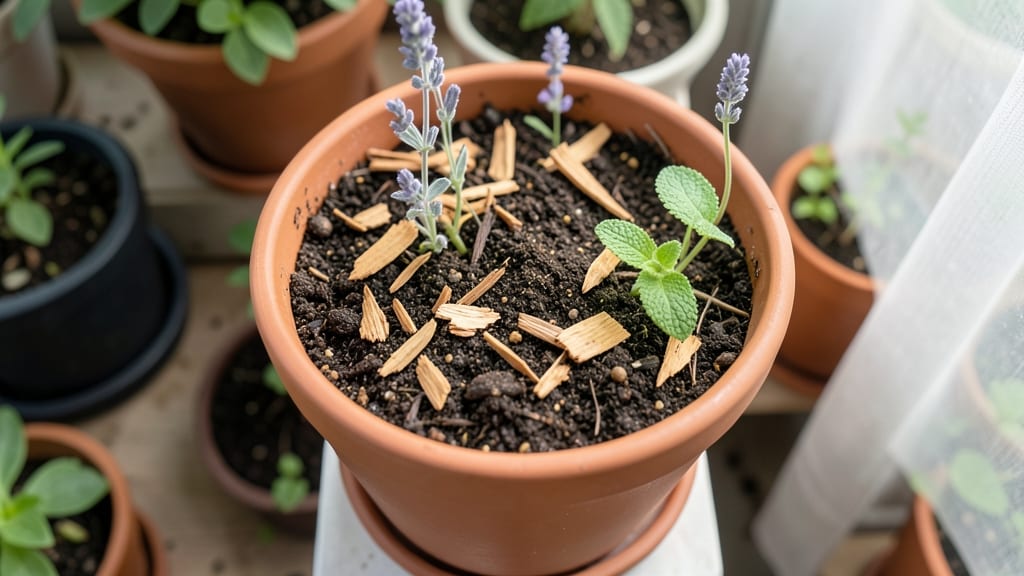
If your lavender or lemon balm seem to struggle in pots, this nutrient-rich duo is your secret weapon. Worm castings provide slow-release fertility, while pine bark adds chunky aeration—perfect for herbs that hate soggy roots but need steady nourishment.
Mix equal parts worm castings (for nutrients) and coarse pine bark (for drainage), then top with a light layer of potting soil. This blend stays loose for years, preventing compaction while feeding roots gradually—ideal for slow-growing perennials that thrive in well-draining pots. Water deeply but infrequently to maintain moisture without suffocating roots.
Urban gardeners and balcony growers will love this low-maintenance mix—it reduces fertilizer needs while keeping herbs lush and fragrant. 🌿
Hydroponic Clay Pebble Mix
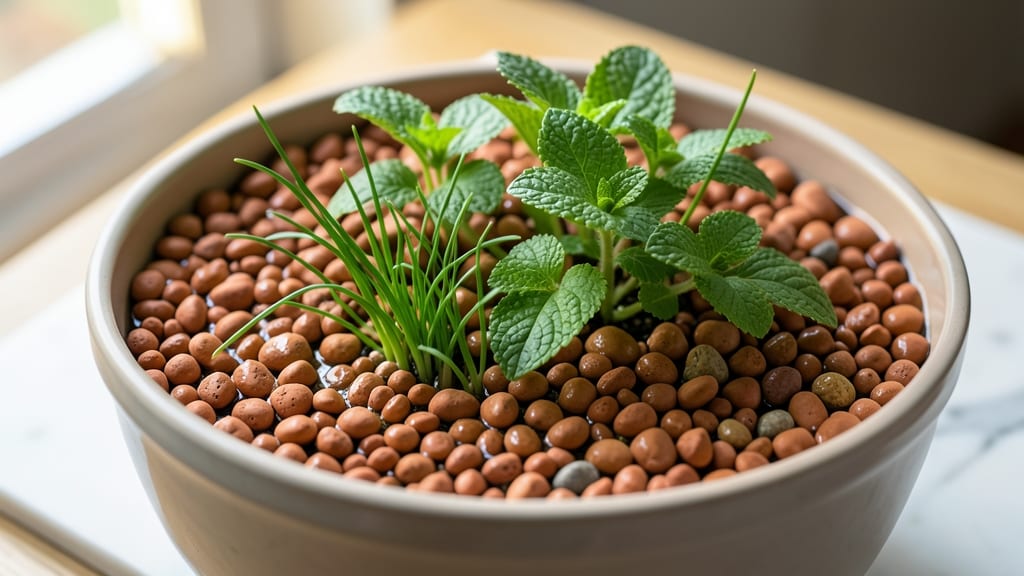
Ditch the soil entirely and grow chives and mint in a hydroponic clay pebble mix—a game-changer for urban gardeners with limited space. This no-soil system uses porous clay pebbles to support roots while allowing excess water to drain instantly, creating the perfect environment for herbs that hate soggy conditions.
Simply submerge the pebbles in a shallow tray of water (keeping roots moist but never waterlogged) and place your herb pots on top. The aerated structure prevents root rot while providing oxygen directly to the roots, resulting in faster growth and more vibrant flavors. This method is especially ideal for small windowsills or balconies where traditional soil mixes might compact or retain too much moisture.
Perfect for beginners or anyone short on gardening space, this system eliminates the guesswork of watering schedules and soil maintenance. Your herbs will thrive with minimal effort—just add water and watch them grow. 🌱
Composted Leaf Mold Soil
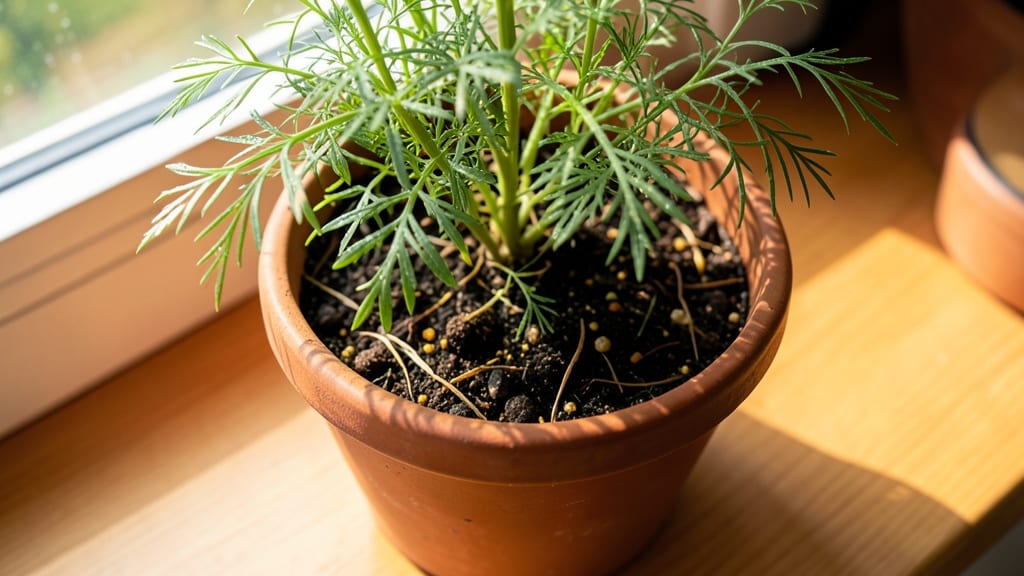
Want your tarragon and dill to taste like they’re straight from a gourmet kitchen? Composted leaf mold soil is your secret weapon—this crumbly, forest-floor-inspired mix is packed with microbes that break down nutrients into forms your herbs can instantly absorb, resulting in bold, vibrant flavors. Unlike sterile potting mixes, it mimics nature’s slow-release system, feeding plants over time while improving soil structure for better root development.
To use it, mix 50% composted leaf mold with 30% high-quality potting soil and 20% perlite for optimal drainage. This blend works best for moisture-loving herbs like tarragon, dill, and chervil, but avoid overwatering—leaf mold holds moisture longer than other organic amendments. For potted herbs, refresh the top inch of soil annually to maintain its rich microbial activity and prevent compaction.
This is the go-to choice for gardeners who prioritize long-term soil health over quick fixes. Whether you’re growing in containers on a balcony or raised beds, leaf mold soil delivers year-round benefits without the need for frequent fertilizing. 💚
Bamboo Charcoal And Pumice Blend
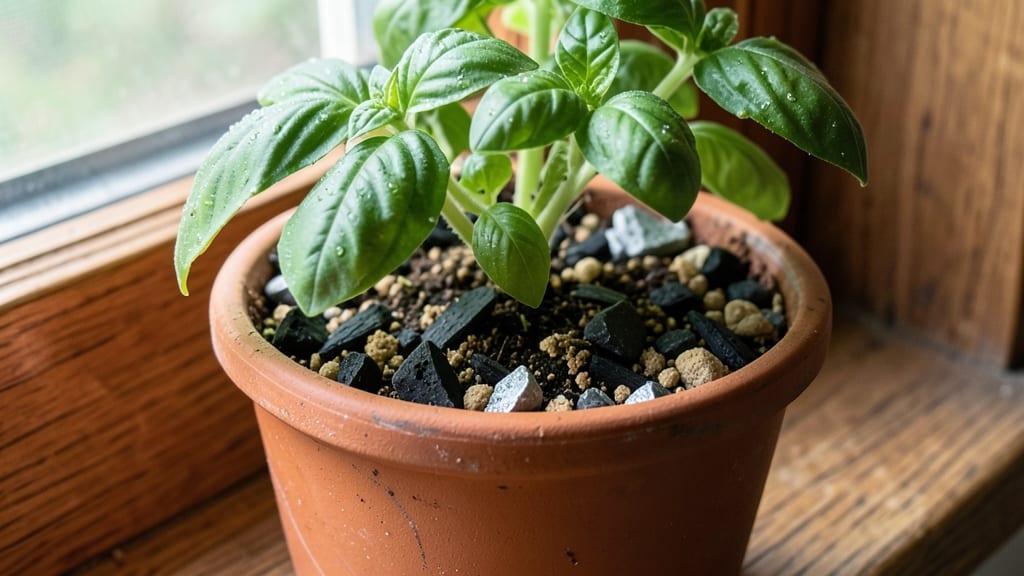
If your basil or other potted herbs keep wilting despite regular watering—or worse, developing fungal spots—this blend might be your secret weapon. The bamboo charcoal and pumice mix acts like a detoxifying sponge, neutralizing harmful bacteria and improving airflow around roots, which is especially critical in humid climates where fungal issues thrive.
Start by mixing equal parts bamboo charcoal (for its natural ability to absorb toxins) with pumice (to create air pockets). This combo prevents compaction while keeping roots cool and oxygenated. For best results, use it as a top layer in your potting mix or blend it in with existing soil—it’s particularly effective for herbs like basil, mint, and parsley that struggle with soggy conditions.
Urban gardeners and those with limited space will love this low-maintenance solution—it extends the life of potted herbs by reducing fungal risks and improving flavor. Plus, it’s reusable for multiple plantings! 🌱
Custom Herb Soil With Mycorrhizal Fungi

Tired of replanting delicate herbs like cilantro or chervil every season? A custom soil blend with mycorrhizal fungi creates a symbiotic superhighway for roots, boosting nutrient uptake and flavor while reducing the need for frequent repotting.
Start with a base of high-quality potting soil mixed with composted worm castings (20% by volume) for organic matter. Then, add mycorrhizal inoculant—either powdered or granular—to coat the soil particles. This fungal network helps roots absorb water and nutrients more efficiently, especially in long-term containers where soil nutrients deplete faster. Water lightly after planting to activate the fungi.
This mix is perfect for urban gardeners with limited space or anyone growing flavor-sensitive herbs. The fungi also help suppress harmful pathogens, giving your pots a healthier, more productive life. 💚