
Tools
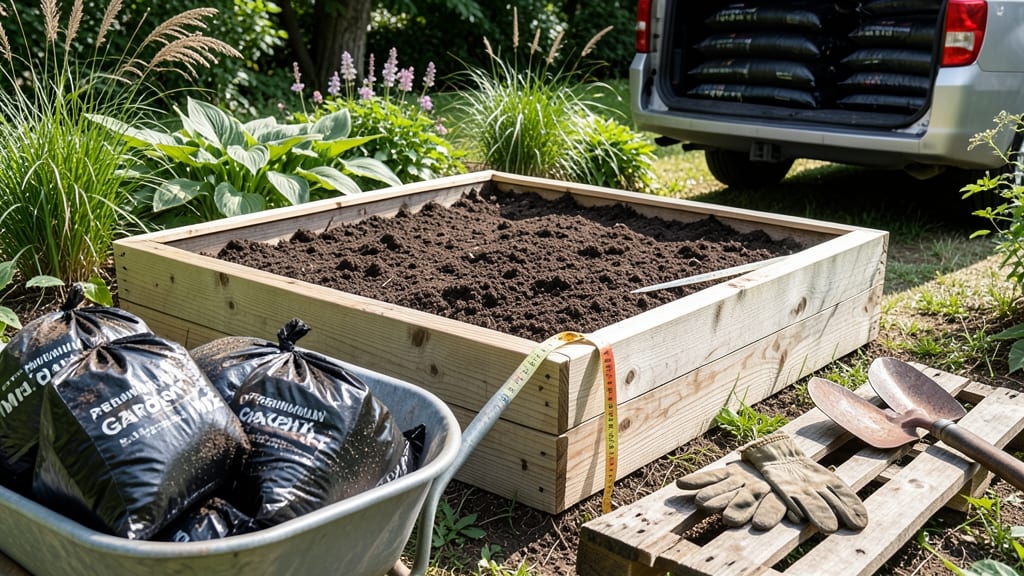
Soil delivery for raised garden beds turns your gardening into a science-backed success—no more guessing whether your plants will thrive. 🌱 I’ve wasted years on heavy, compacted soil that smothers roots—until I discovered lightweight mixes designed to expand as plants grow, keeping them thriving even in small spaces.
The right soil mix isn’t just dirt—it’s a blend of compost, perlite, and organic matter that drains well but holds moisture. Delivery services like local suppliers or online retailers (like Black Gold or Miracle-Gro) bring it straight to your door, saving you the backbreaking work of hauling bags.
A 6-inch-deep bed needs about 1 cubic foot per square foot, so calculate carefully to avoid overpaying.
Once delivered, fluff the soil with a fork to aerate it before planting. This lightweight mix will double in volume as roots spread, giving your veggies and flowers room to stretch. No more stunted growth—just deep, healthy roots that reach for nutrients all season long.
Pro tip: Mix in a slow-release fertilizer at delivery time for an extra boost. And if your soil feels too dense after a few months, top it off with compost—your plants will thank you with bigger blooms and heavier yields than ever before.
📚 In This Guide
- What you need
- Instructions
- Tips and common mistakes
- Wrapping up and next steps
What you need
- ● Topsoil: 2–3 cubic yards (per 4’x8’ bed, ~12" deep). Look for well-draining, organic topsoil with a pH of 6.0–7.0.
- ● Compost: 1–2 cubic yards (per bed). Use aged, screened compost (avoid fresh manure—it can burn roots!).
- ● Perlite or Vermiculite: 1–2 bags (2–3 cu. ft. each). Adds aeration and moisture retention—critical for lightweight mixes!
- ● Peat Moss or Coco Coir: 1–2 bags (2–3 cu. ft. each). Holds moisture while keeping soil fluffy.
- ● Garden Lime (if needed): 5–10 lbs. Test soil pH first—lime adjusts acidity for optimal root growth.
- ● Wheelbarrow or Garden Cart: For hauling soil mix to beds. Pro tip: Rent one if you don’t own—saves your back! 💡
- ● Garden Gloves: Heavy-duty to protect hands from sharp edges or rough soil.
- ● Shovel & Rake: A broadfork (for aerating) and a sturdy shovel for mixing.
- ○ Soil pH Test Kit: Optional but highly recommended—avoid guessing! 🎯
- ● Knee Pads or Straw: Because comfort matters when you’re knee-deep in soil. 😅
- ● Worm Castings: 1–2 bags. Boosts microbial activity and nutrient density.
- ● Biochar: 1 bag. Enhances drainage and carbon content for long-term soil health.
- ● Slow-Release Fertilizer: Mix in 10–20 lbs per bed for a nutrient kickstart.
- ● Soil Sieve: Screens out rocks/clumps for a buttery-smooth texture.
- ● Delivery Service: If bulk soil feels like a hassle, many nurseries offer local soil delivery—just confirm they’ll bring screened, lightweight mixes.
Step-by-Step guide for delivering soil to raised garden beds
Here's how to create a nutrient-rich, lightweight mix that encourages deep root growth and maximizes your raised beds' potential.
🪴 Step 1: Calculate and Order the Right Soil Mix
Determine your bed's volume by multiplying length × width × depth (in feet). For a standard 4×8-foot bed that's 12 inches deep, you'll need about 3 cubic yards of soil mix. I always order 60% compost, 20% coconut coir, and 20% perlite—this blend stays light yet retains moisture while encouraging deep root penetration.
Order from a reputable supplier that delivers bulk soil. Ask for a lightweight, airy mix—avoid heavy clay-based soils that compact easily. The goal is a fluffy texture that roots can easily push through. If you're unsure, request a sample first to test drainage and structure.
💧 Step 2: Prepare the Delivery Site
Clear the area around your raised beds of rocks, debris, and weeds. Lay down landscape fabric under the beds if you haven't already—this prevents weeds from infiltrating your new soil mix. I like to use black plastic sheeting as a temporary barrier before adding fabric permanently.
Check the bed's base for sharp edges or protruding nails that could tear the delivery hose or puncture bags. If your beds are on grass or mulch, create a 4-foot-wide path around them to give delivery trucks space to maneuver. A wet or muddy delivery site will delay unloading and risk compacting your soil.
☀️ Step 3: Receive and Distribute the Soil
Arrange wheelbarrows, shovels, and a tarp near the delivery truck. Ask the driver to deposit the soil in small piles (about 2 cubic feet each) along the bed's edge. This prevents overloading the soil and makes spreading easier. I always request the driver use a low-pressure hose attachment to avoid clumping the mix.
Work in sections, spreading the soil evenly across the bed. Aim for a depth of 6 inches at a time—this prevents smothering existing plants if you're amending an established bed. Use a rake or hoe to break up any large clumps and ensure the mix is loose and aerated.
🌱 Step 4: Blend and Level the Soil
Mix the soil thoroughly by hand or with a broadfork to incorporate air pockets. This step is critical—uneven blending can create compacted layers that restrict root growth. If you notice the mix feels dense, add 1-2 inches of compost and blend again until it's light and crumbly.
Use a leveling board or straightedge to create an even surface. The top of your raised bed should slope slightly toward the center to encourage water drainage. Press down gently with your hands to firm the soil—it should feel stable but still allow a finger to push in about 1 inch without resistance.
⏰ Step 5: Water and Settle Before Planting
Give the soil a deep watering immediately after spreading. This helps it settle and eliminates air pockets that could dry out roots. Water until it's moist 6 inches deep—use a soil probe or trowel to check. Avoid overwatering, which can compact the mix again.
Wait 24-48 hours before planting to allow the soil to fully settle. This prevents roots from being buried too deep as the mix compresses. If you're adding plants, dig holes slightly deeper than the root ball and backfill with the amended soil to encourage outward root growth.
Tips & tricks for perfect raised garden bed soil delivery
These practical insights will help you avoid common pitfalls and create an ideal growing environment for your plants.
Ordering Strategy: When requesting your 60% compost, 20% coconut coir, and 20% perlite mix from suppliers, specify that it should be pre-screened to remove large debris and clumps. I've found that many bulk suppliers deliver material with rocks or twigs that need extra screening. This saves you time during Step 4 when blending. The 3 cubic yards for a 4×8-foot bed is perfect—don't skimp on volume, as settled soil will compress slightly after watering.
Site Preparation: Before laying down landscape fabric in Step 2, check for buried roots or old plant debris that could create air pockets under your beds. I've seen cases where neglected roots created voids that caused uneven settling. If you're working with existing beds, remove any old soil from the bottom 2-3 inches to ensure clean contact between your new mix and the fabric barrier.
Distribution Technique: For the 6-inch depth application in Step 3, work in a zigzag pattern rather than straight lines when spreading soil. This creates natural overlap that prevents thin spots. After spreading, use a broadfork to gently loosen the top 2 inches—this mimics natural soil aeration and helps roots penetrate more easily. The 2 cubic feet piles from the delivery truck are ideal for managing without overloading the mix.
Final Settlement: The 24-48 hour settling period in Step 5 is crucial for achieving the perfect firmness. To accelerate this process in cooler weather, consider using a soaker hose for the deep watering rather than a regular hose. This delivers moisture evenly without creating surface runoff that can compact the top layer. After watering, press down gently with your hands—you should feel slight resistance but still be able to push in about 1 inch with your thumb.
Pro Tips for Soil Delivery For Raised Garden Beds
- These practical insights will help you avoid common pitfalls and create an ideal growing environment for your plants.
- Ordering Strategy: When requesting your 60% compost, 20% coconut coir, and 20% perlite mix from suppliers, specify that it should be pre-screened to remove large debris and clumps.
- Site Preparation: Before laying down landscape fabric in Step 2, check for buried roots or old plant debris that could create air pockets under your beds.
Frequently asked questions
Got questions about soil delivery for your raised garden beds?
Here are some of the most common ones—and their answers—to help you grow with confidence!
What’s the best type of soil to order for raised garden beds?
Look for a lightweight, well-draining mix labeled for raised beds or vegetable gardens. Avoid heavy clay or pure topsoil—opt for a blend with compost, perlite, and coconut coir. Pre-mixed bags (like Miracle-Gro Garden Soil or FoxFarm Ocean Forest) are convenient, but custom mixes (50% topsoil, 30% compost, 20% perlite) work best for deep root growth.
When is the best time to deliver and install soil?
Spring (after the last frost) and early fall are ideal! Avoid extreme heat or cold—soil delivery in summer can bake, while winter delivery may freeze. If you must order off-season, cover the soil with a tarp until planting to protect it. Pro tip: Schedule delivery 2–4 weeks before planting to let the soil settle and warm up.
How much soil do I need for my raised beds?
Most raised beds need 6–12 inches of soil depth. Multiply your bed’s length × width × depth (in feet), then divide by 27 to get cubic yards. Example: A 4’x8’ bed with 10” soil = 1.11 cubic yards. Order 10–20% extra to account for settling or future top-ups!
Is it cheaper to buy soil or make my own mix?
DIY mixes (compost + topsoil + amendments) can save money long-term, but pre-mixed bags are faster and more consistent. Compare costs: A cubic yard of pre-mixed soil runs $30–$60, while DIY materials (compost, perlite, peat moss) may cost $15–$30 per yard—but require effort. For beginners, pre-mixed soil is worth the convenience!
What if my soil delivery is delayed or arrives damaged?
Check for moisture loss (dry clumps) or compaction (hardened blocks). If soil is too dry, water it gently before spreading; if compacted, fluff with a rake or fork. Contact the supplier immediately for replacements—they often offer free adjustments or credits. Store extra soil in black plastic bags (not clear) to retain moisture.
Can I reuse soil from last year’s raised beds?
Yes! Refresh it by mixing in 2–3 inches of compost and topsoil to replenish nutrients. Avoid reusing soil with diseased plants, pests, or weeds—sterilize with solarization (cover with plastic for 4–6 weeks) or replace entirely. For heavy feeders (tomatoes, peppers), replace 50% of the soil annually.
Wrapping up and next steps
Choosing the right soil for your raised garden beds is the foundation of a thriving garden! 🌱 A lightweight, nutrient-rich mix—like a blend of compost, coconut coir, and perlite—will give your plants the deep, expansive roots they need to flourish.
With the right soil delivered straight to your doorstep, you’re already halfway to a bountiful harvest.
Now that you’re armed with the knowledge, it’s time to get digging! Start by ordering your custom soil mix today, and watch your garden transform into a lush, productive oasis. Happy planting! 🌿