
How To
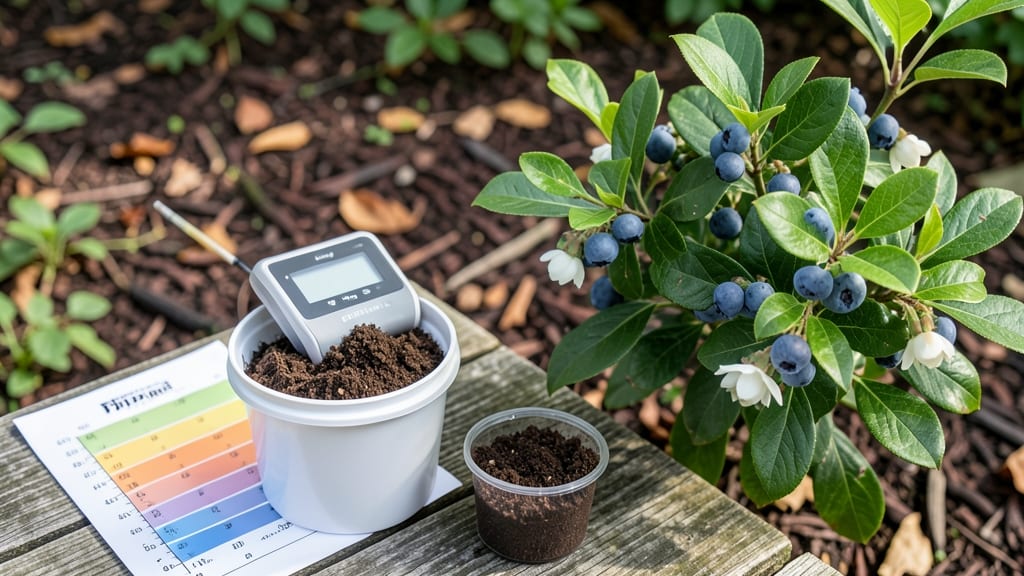
The recommended soil pH range for healthy plant growth is typically between 6.0 and 7.0, though many plants prefer slightly acidic (5.0–6.5) or alkaline (7.5–8.5) conditions based on their natural environment and nutrient requirements.
Soil pH directly impacts which nutrients your plants can absorb—think of it as the key to unlocking their full potential. 🌱 For instance, acid-loving plants like blueberries need pH levels between 4.5 and 5.5 to access iron and manganese, while alkaline-tolerant crops such as asparagus thrive at pH 7.0 to 8.0.
Even a small shift outside these ranges can cause nutrient deficiencies, like yellowing leaves from phosphorus shortages in acidic soil or magnesium toxicity in overly alkaline conditions.
Most gardeners don't realize how quickly soil pH can drift over time due to rain, organic matter breakdown, or even fertilizer use. That's why I recommend testing your soil every 1–2 years—especially if you notice stunted growth or unusual leaf discoloration.
Simple home test kits (around $15) can give you accurate readings, and adjusting pH is easier than you might think with the right amendments.
💡 In This Article
- How Soil pH Affects Plant Nutrient Uptake
- Adjusting Soil pH for Different Plants: Step-by-Step Guide
How soil pH affects plant nutrient uptake
Soil pH acts like a gatekeeper for nutrients, determining whether plants can access essential elements like nitrogen, phosphorus, and potassium. At a neutral pH of 6.5–7.0, most nutrients are soluble and readily available—this is why many vegetables and flowers thrive in this range.
However, when pH strays too acidic (5.0) or alkaline (>strong>8.0), critical nutrients become locked away or even toxic. For example, phosphorus becomes scarce in highly acidic soil (pH 5.5), causing stunted growth, while iron and manganese become unavailable in alkaline conditions (pH >strong>7.5). 🌱
The chemistry behind this is fascinating: pH measures hydrogen ion concentration, and extreme levels alter nutrient forms. In acidic soil, aluminum and manganese dissolve into toxic forms that damage roots, while alkaline soil causes iron to precipitate as insoluble oxides.
Even nitrogen fixation by beneficial bacteria slows dramatically outside the 6.0–7.5 range. Take blueberries—they need 4.5–5.5 pH to access iron and zinc, which is why their leaves turn yellow if soil becomes too alkaline.
What most gardeners miss is how pH affects micronutrients like boron, copper, and molybdenum. These trace elements become either deficient or toxic in narrow pH bands. For instance, boron deficiency (causing cracked stems) occurs in alkaline soils, while copper toxicity (brown leaf edges) happens in acidic conditions.
This is why soil tests aren't just about pH—they reveal the full nutrient picture, including which elements are at risk.
Here's a practical example: Tomatoes prefer 6.0–6.8 pH for optimal calcium uptake (preventing blossom-end rot), but if your soil tests 7.5, the calcium becomes insoluble.
The same plant in 5.0 pH soil might suffer from manganese toxicity, showing brown spots between leaf veins. 💡 The key is matching pH to the plant's native soil conditions—most garden plants evolved in slightly acidic to neutral soils, which is why 6.0–7.0 works for so many.
Even organic matter plays a role: decomposed leaves and compost slowly acidify soil over time, while wood ash raises pH. This is why container gardens often need more frequent pH adjustments—the limited soil volume reacts faster to amendments.
Testing before planting gives you a head start on avoiding costly nutrient imbalances later.
Remember that pH isn't static—it fluctuates with rain, irrigation, and fertilizer use. A 1.0 pH shift can double or halve nutrient availability, so precise adjustments matter. For instance, adding sulfur to lower pH by 1.0 takes about 3–6 months, while lime raises pH more quickly (2–3 months).
The goal is consistency within the plant's preferred range.