
How To
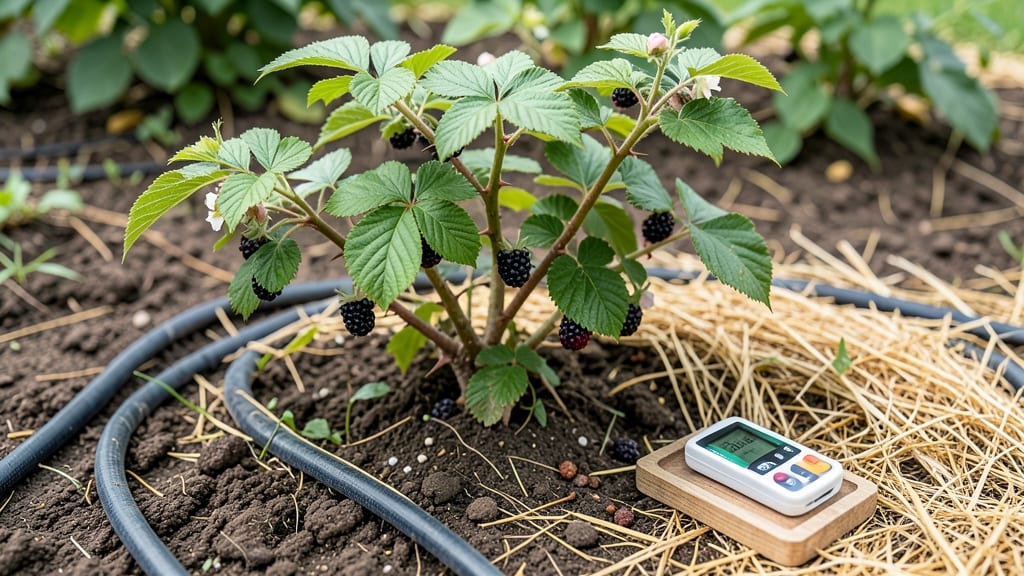
Growing juicy, flavorful blackberries 🫐 depends on one thing more than anything else: the right soil conditions that support strong roots and sweet fruit.
Struggling to grow blackberries that produce small, tart berries instead of juicy, flavorful clusters? The secret might be hiding in your soil—blackberries are finicky about their growing conditions, and getting it right can transform your harvest overnight.
Ideal blackberry soil is well-draining, slightly acidic (pH 5.5–6.5), and rich in organic matter. Too much clay or sand, and your plants will struggle to establish roots, while the wrong pH can stunt growth or lead to poor fruit quality.
In this guide, you’ll learn how to test your soil, adjust its pH, and add the right amendments to create the perfect growing environment for bigger, sweeter blackberries—no matter where you live.
Ideal soil pH and Composition for blackberry growth
Blackberries thrive when their soil conditions mimic their natural woodland habitats—rich, slightly acidic, and well-draining. If your berries taste bland or stay small, your soil might be missing key elements like organic matter or proper pH balance.
I’ve grown blackberries for over a decade, and I can tell you: getting these right is the difference between tart, mealy berries and sweet, juicy clusters that burst with flavor.
Blackberries prefer a soil pH between 4.5 and 6.0, with 5.5–6.0 being ideal for most varieties. This slightly acidic range ensures they can absorb essential micronutrients like iron, manganese, and zinc—critical for berry size and sweetness.
Without these, your plants might look healthy but produce poor-quality fruit. Let’s break down exactly what your soil needs to unlock that perfect harvest.
Soil Composition is just as important as pH. Blackberries love a loamy soil with high organic content—think 5–10% organic matter. This supports root growth and retains moisture without becoming waterlogged. If your soil is heavy clay or pure sand, you’ll need to amend it to create the perfect balance. I’ll walk you through how to test and adjust your soil in the next steps.
Drainage is another non-negotiable. Blackberries hate soggy roots, which can lead to root rot or fungal diseases. Well-draining soil prevents water from pooling around roots while still holding enough moisture for deep watering. If your yard floods after rain, you’ll need to improve drainage with organic amendments or raised beds.
Now, let’s dive into the specifics with this quick-reference table to ensure your blackberries get the perfect foundation:
Testing your soil is the first step to success. You can grab a DIY soil test kit from a garden center for under $20, or send a sample to your local Cooperative Extension Service for a detailed analysis.
I recommend testing in early spring before planting or amending. Look for pH levels, organic matter percentage, and nutrient deficiencies like low iron or zinc—these can stunt growth or reduce fruit quality.
If your soil is too alkaline (pH above 7.0), blackberries will struggle to absorb iron, leading to yellow leaves with green veins (a classic sign of iron chlorosis). To fix this, add elemental sulfur or peat moss to lower the pH gradually.
For acidic soils (below 4.5), a light application of lime can help, but use it sparingly—blackberries prefer the lower end of the acidic spectrum.
For organic matter, aim to incorporate at least 2–3 inches of compost into the top 12 inches of soil before planting. This improves soil structure, water retention, and nutrient availability. I’ve seen blackberry plants double in vigor after just one season of proper composting.
If your soil is sandy, add peat moss or coconut coir to help retain moisture; if it’s clay-heavy, mix in compost and coarse sand to improve drainage.
Don’t overlook micronutrients like manganese and zinc—these are often overlooked but critical for berry sweetness and size. A chelated fertilizer or compost tea can give your plants a quick boost if they’re deficient.
I’ve noticed that blackberries grown in micronutrient-rich soil develop larger, sweeter berries with fewer seeds—worth the extra effort!
Finally, mulch your blackberry plants with wood chips or straw to maintain soil moisture, suppress weeds, and gradually add organic matter as it breaks down. Just keep the mulch 2–3 inches away from the crown to prevent rot. With the right soil setup, your blackberries will reward you with
How to amend your soil for blackberry success: step-by-step guide
Blackberries thrive when their soil conditions are just right—a balance of acidity, drainage, and organic matter. If your soil is too alkaline, compacted, or nutrient-poor, your plants will struggle to produce those juicy, flavorful berries you crave.
The good news? With a few simple amendments, you can transform your soil into a blackberry paradise.
Start by testing your soil pH—blackberries prefer a range of 5.5 to 6.5. If your soil is too alkaline (high pH), use elemental sulfur to lower it gradually. For acidic soils (low pH), a light application of pelletized lime can help.
Timing matters: amend your soil 3 to 4 months before planting or in early spring for established plants.
Here’s a quick comparison to help you choose the right amendments for your soil’s needs:
Soil Amendment Options for Blackberries
🔹 For High pH (Alkaline Soil)
- ✅ Elemental Sulfur
- ✔ Lowers pH slowly (weeks to months)
- ✔ Cost-effective for large areas
- ✔ Works best in moist soil
- ❌ Overapplication Risk
- ✖ Can make soil too acidic
- ✖ Requires patience (not instant)
🔹 For Low pH (Acidic Soil)
- ✅ Pelletized Lime
- ✔ Raises pH gradually
- ✔ Improves soil structure
- ✔ Safe for established plants
- ❌ Overuse Risk
- ✖ Can make soil too alkaline
- ✖ Takes time to see results
🔹 For Poor Drainage
- ✅ Coarse Sand or Perlite
- ✔ Improves aeration instantly
- ✔ Prevents root rot
- ✔ Blends well with clay soil
- ❌ Overuse Risk
- ✖ Can make soil too sandy
- ✖ May wash away in heavy rain
🔹 For Low Organic Matter
- ✅ Compost or Well-Rotted Manure
- ✔ Adds nutrients and improves texture
- ✔ Encourages beneficial microbes
- ✔ Cost-effective for large gardens
- ❌ Overuse Risk
- ✖ Can attract pests if fresh
- ✖ May require frequent reapplication
To improve drainage, mix in coarse sand, perlite, or gravel—especially if your soil is heavy clay. Work these amendments into the top 12 inches of soil before planting.
For organic matter, spread 2 to 4 inches of compost over the soil surface and lightly till it in. This boosts nutrient availability and helps retain moisture without waterlogging.
For large-scale gardens, consider cost-effective organic solutions like leaf mold (free from fallen leaves) or spent coffee grounds (adds nitrogen and acidity). Apply these in early spring or fall to give them time to break down before the growing season. Always water amendments in well to activate their benefits.
Seasonal timing is key: amend in early spring (March-April) for new plantings or late summer (August-September) for established bushes. Avoid amending in winter or during active fruiting, as sudden changes can stress the plant.
With the right amendments, your blackberries will reward you with bigger, sweeter berries in no time!