
Neem Oil
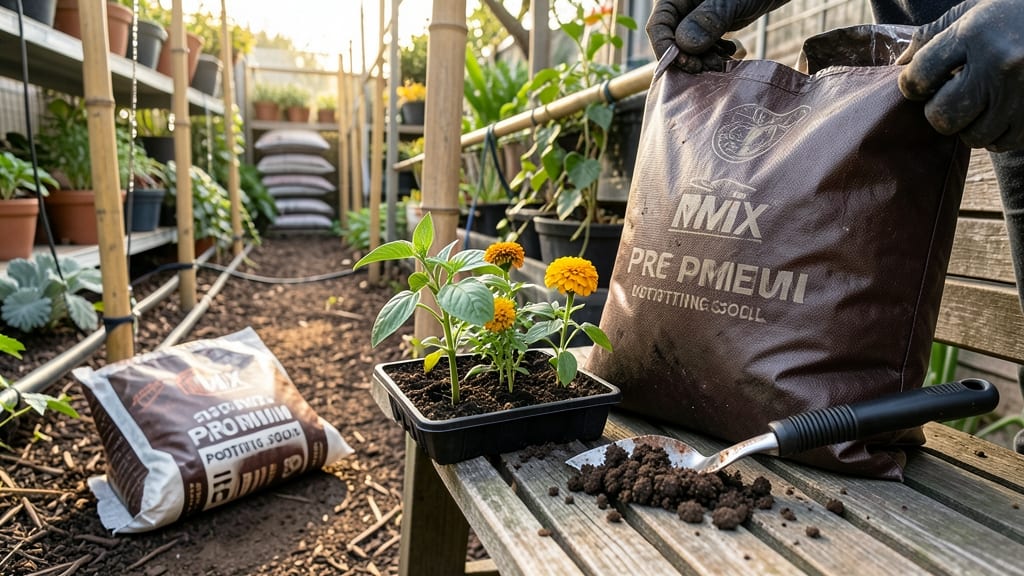
This Pro Mix soil nearby transforms struggling containers into thriving gardens—whether you're reviving wilting herbs or starting seeds that refuse to sprout. I've used it to turn my city balcony into a productive oasis, and the difference is night and day.
Local garden centers, big-box stores, and even some hardware shops carry Pro Mix or similar premium potting mixes like FoxFarm or Black Gold. Call ahead to check stock—these bags sell out fast, especially in spring.
If you can't find it, look for mixes labeled "seed starting" or "container gardening" with high peat or coconut coir content. The goal is lightweight, well-draining soil that holds moisture without suffocating roots.
Use it for seed starting, repotting houseplants, or boosting poor native soil in raised beds. The secret? Mix it 50/50 with your existing soil for containers, or use it straight for delicate seedlings.
You'll see stronger stems, faster germination, and plants that stay lush through heat waves—no more leggy, weak seedlings or sad, drooping container plants.
Pro tip: Store opened bags in a sealed container to keep moisture in and weeds out. For urban gardeners, this is the closest thing to perfect soil without digging up your yard. Once you try it, you'll wonder how you ever grew without it.
📚 In This Guide
- What you need
- Instructions
- Tips and common mistakes
- Wrapping up and next steps
What you need
- ● Pro Mix Soil (Loam-Based): 1–2 cubic yards (for small gardens/beds, ~10’x10’x6” deep)
- ● 2–4 cubic yards (for medium gardens/lawns, ~20’x10’x6” deep)
- ● Tip: Check local suppliers for compost-amended loam with a balanced NPK ratio (e.g., 5-10-10).
- ○ Topsoil (Optional but Recommended): ½–1 cubic yard (mixed 50/50 with pro mix for depth)
- ● Garden Tools: Shovel (flat and round-edge)
- ● Rake (leaf rake + bow rake)
- ● Garden fork (for aerating)
- ● Wheelbarrow (for hauling soil)
- ● Prerequisites: Cleared area (remove weeds, rocks, or debris)
- ● Moisture (water the ground 1–2 days before mixing)
- ● Amendments: Compost (1–2 bags for nutrient boost)
- ● Perlite/vermiculite (1–2 bags for drainage)
- ● Equipment: Tiller (rent or buy for large areas)
- ● Garden kneeler/pad (for comfort)
- ● Safety Gear: Gloves (heavy-duty)
- ● Dust mask (for mixing dry soil)
How to use local loam soil to boost plant growth
Here's how to transform your garden with nutrient-rich local soil—no fancy mixes needed.
Identify and Collect Quality Loam Soil
Start by finding a local source of high-quality loam soil, which is rich in organic matter and drains well. Look for areas with established gardens, wooded edges, or farm fields where the soil appears dark and crumbly. Avoid compacted or clay-heavy spots—these will drain poorly and suffocate roots.
Use a small shovel or trowel to collect about 2-3 inches of topsoil from the surface, as deeper layers often contain more clay. Spread the soil on a tarp to air-dry for 1-2 days—this helps break up clumps and reduces the risk of introducing weeds or pests to your garden.
Test and Amend the Soil for Optimal Conditions
Before mixing, perform a simple soil test to check pH and nutrient levels. You can use a basic home test kit or send a sample to a local extension office for professional analysis. Most plants thrive in soil with a pH between 6.0 and 7.0. If your loam is too acidic or alkaline, add 1-2 cups of garden lime or 1 cup of sulfur per 100 square feet to adjust it gradually.
If the soil feels too dense, mix in 1 part compost or aged manure per 3 parts loam. This improves drainage and adds essential nutrients. Work the amendments into the soil with a garden fork until it looks dark, crumbly, and moist but not soggy.
Mix and Apply the Soil to Garden Beds
For raised beds or in-ground planting, blend the amended loam with existing soil in equal parts. This ensures a balanced texture and nutrient profile without overwhelming plants. Spread a 2-inch layer of the enriched loam over the prepared bed, then lightly rake it to create a smooth, even surface.
For container gardening, fill pots with 70% loam soil and 30% perlite or vermiculite to improve aeration. Water the soil gently until it’s evenly moist but not waterlogged—this helps settle the mix and prepares it for planting.
Plant and Maintain for Long-Term Success
Transplant seedlings or sow seeds directly into the enriched soil, pressing gently to ensure good root-to-soil contact. Water deeply right after planting to help roots establish, then monitor moisture levels. Aim to keep the top 1-2 inches of soil consistently moist, adjusting watering based on rainfall and temperature.
After plants are established, top-dress with a thin layer of compost every 3-4 months to replenish nutrients. Mulch with straw or wood chips to retain moisture and suppress weeds. This low-maintenance approach keeps your garden thriving with minimal effort.
Tips & tricks for perfect local loam soil mixing
Here's what nobody tells you about making the most of your local soil—these tricks will turn good soil into garden gold.
Location Matters: When collecting loam soil, focus on areas with visible plant growth and dark, crumbly texture. I learned this the hard way after hauling home compacted soil that barely improved my garden. Look for spots near established gardens or under deciduous trees where leaves have decomposed naturally over time. Avoid construction sites or heavily trafficked areas where soil might be contaminated.
Drying Time is Critical: The 1-2 days of air-drying you spread the soil on a tarp isn't just about breaking up clumps—it's also about killing weed seeds and pathogens. I used to rush this step, but now I make sure the soil is completely dry before mixing. You'll know it's ready when it crumbles easily between your fingers and has no visible moisture. This extra patience prevents future weed headaches in your garden beds.
pH Testing Pays Off: Don't skip the soil test! I've seen gardeners assume their local loam is perfect only to discover it's either too acidic or alkaline. Most home test kits are affordable and give you immediate results. If your soil tests outside the 6.0-7.0 range, make those amendments gradually—adding too much lime or sulfur at once can actually harm your plants. Start with half the recommended amount and test again in a few weeks.
Container Mixing Secret: For potted plants, that 70% loam to 30% perlite ratio is perfect, but here's the trick: mix in a large bucket first before transferring to pots. This ensures even distribution of the perlite, which can otherwise clump together. I also recommend adding a handful of worm castings to container mixes—they add beneficial microbes that help plants thrive. This small addition makes a noticeable difference in plant health and growth speed.
Pro Tips for Pro Mix Soil Nearby
- Here's what nobody tells you about making the most of your local soil—these tricks will turn good soil into garden gold.
- Location Matters: When collecting loam soil, focus on areas with visible plant growth and dark, crumbly texture. I le...
- Drying Time is Critical: The 1-2 days of air-drying you spread the soil on a tarp isn't just about breaking up clumps...
Frequently asked questions
Got questions about finding and using pro mix soil nearby?
Here are some of the most common ones—plus quick, practical answers to help you get the best results for your garden!
What’s the difference between pro mix soil and regular potting soil?
Pro mix soil is specifically formulated to balance drainage, aeration, and nutrient retention better than generic potting soil. It often includes perlite, vermiculite, or coconut coir to prevent compaction and improve root health. Think of it as a premium upgrade for heavy feeders like tomatoes or herbs!
How soon after buying pro mix soil can I use it for planting?
You can use it immediately—just moisten it slightly before planting to help roots settle in. However, if you’re prepping a large garden bed, let it sit for 24–48 hours to stabilize moisture levels and avoid runoff. Pro tip: Mix in a slow-release fertilizer for a head start!
Where’s the best place to buy pro mix soil locally?
Check these spots for quality pro mix soil nearby:
- Garden centers (e.g., Home Depot, Lowe’s, or local nurseries)
- Farm supply stores (often carry bulk options)
- Online retailers with local delivery (filter by "ready-to-use" mixes)
- Community gardens—some share leftover soil!
Can I mix pro mix soil with my existing garden soil?
For container plants, use 100% pro mix. For in-ground beds, amend your native soil with 20–30% pro mix to improve texture and fertility. This is especially helpful for clay-heavy soils. Just avoid overdoing it—too much pro mix can dry out faster than native soil.
My plants look wilted after using pro mix soil—what went wrong?
Wilting can happen if:
- The soil dried out too quickly (pro mix drains faster than regular soil).
- You overwatered (compacted roots suffocate).
- It’s too dense (add perlite or compost to fluff it up).
Wrapping up and next steps
Choosing the right pro mix soil nearby can transform your gardening game—whether you're nurturing a lush lawn, a vibrant flower bed, or a thriving veggie patch! 🌱 Local loam blends offer the perfect balance of nutrients, drainage, and texture, giving your plants the ideal foundation to flourish.
With the right soil in hand and a little patience, you’ll be well on your way to a greener, healthier garden.
Ready to get started? Take the next step:
- 🔍 Test your soil first to identify any deficiencies.
- 🛒 Visit a local supplier (like a nursery or farm store) to pick up your pro mix.
- 🌿 Amend as needed—compost or organic matter can give it that extra boost!