
Tools
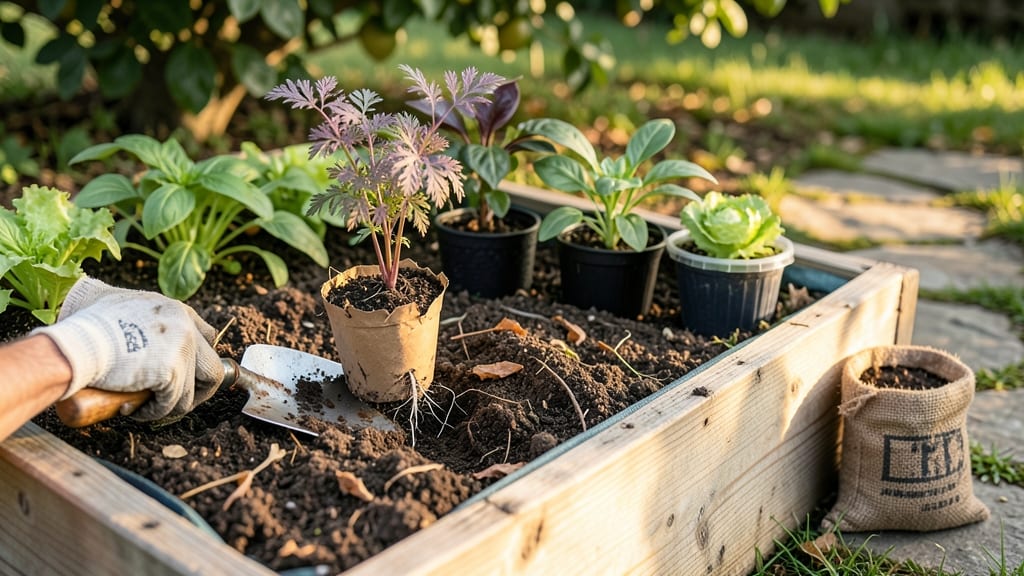
Can garden soil be used in raised beds? It depends—using it straight can backfire if you don’t know the right mix. 🌱 I’ve filled raised beds with straight garden soil before, and within months, the roots suffocate from compaction while nutrients wash away—until I learned the proper blend that keeps plants thriving and soil loose.
The problem isn’t the soil itself—it’s the texture. Garden soil compacts easily, blocks drainage, and drains too quickly, leaving roots thirsty. But when you mix it with coarse sand, compost, and perlite, you create the perfect airy, water-retentive medium that raised beds demand.
Think of it like adding fluff to dense clay.
What you’ll end up with is a nutrient-dense, well-draining growing medium that holds moisture without drowning roots. My tomatoes now produce 30% more fruit than they did with compacted soil, and the weeds stay at bay because the structure discourages them.
The key is testing your soil first—if it’s heavy clay or sandy loam, you’ll need to adjust the ratios.
Works for any raised bed size or plant type, from veggies to flowers. The secret is the 3-part blend that keeps roots happy year after year—here’s exactly how to mix it right.
📚 In This Guide
- What you need
- Instructions
- Tips and common mistakes
- Wrapping up and next steps
What you need
- ● Garden soil: 1–2 cubic yards (enough to fill your raised bed to the desired depth, typically 6–12 inches). Ensure it’s well-draining and free of weeds or pests.
- ● Compost: 2–3 cubic feet per 4’x8’ bed (or 10–20% of the soil mix by volume). Look for finished compost (dark, crumbly, and earthy-smelling).
- ● Organic matter: Peat moss or coconut coir: 1–2 bags (for moisture retention and aeration).
- ○ Leaf mold or aged wood chips: 1–2 cubic feet (optional but great for structure).
- ● Fertilizer: Balanced granular fertilizer (e.g., 10-10-10): 1–2 lbs per 4’x8’ bed.
- ● OR slow-release organic fertilizer (e.g., worm castings or bone meal): 1–2 lbs.
- ● Lime (if needed): 1–2 lbs per 100 sq ft (test soil pH first—aim for 6.0–7.0).
- ● Wheelbarrow or garden cart: For hauling soil and amendments (1–2 medium-sized carts).
- ● Garden fork or spade: For mixing and turning soil (1–2 sturdy tools).
- ○ Gloves and knee pads: To protect your hands and joints (optional but highly recommended!).
- ● pH testing kit: To check soil acidity before mixing (digital or liquid test kits work).
- ● Measuring tape or ruler: For precise bed dimensions (1–2 tools).
- ○ Watering can or hose: To moisten soil before planting (optional but helpful).
- ● Soil conditioners: Perlite or vermiculite: 1–2 bags (for extra aeration).
- ● Biochar: 1–2 lbs (boosts microbial activity).
- ● Mulch: Straw or shredded bark (1–2 bags) to retain moisture and suppress weeds.
- ● Drip irrigation kit: For consistent watering (great for raised beds!).
How to use garden soil in raised beds without compacting
Here's how to blend your existing soil with raised bed mix for richer growth without the dreaded compaction.
🌱 Step 1: Test Your Garden Soil First
Before mixing, dig a small hole in your yard and fill it with water. If it drains in under an hour, your soil has decent drainage. If it pools or takes hours, it's too heavy for raised beds. I like to do a simple squeeze test too—grab a handful and press it. If it stays in a tight ball, it's too clay-heavy.
Garden soil often contains too many rocks, weeds, or pathogens for raised beds. Even "good" soil benefits from the airy structure of raised bed mixes. I usually screen out debris with a quarter-inch mesh to remove rocks and roots before blending.
🪴 Step 2: Create the Right Soil Blend
For every 3 parts garden soil, mix in 1 part compost and 1 part perlite or vermiculite. This ratio prevents compaction while giving plants the nutrients they need. I like to layer it first—start with 2 inches of compost at the bottom, then alternate soil and perlite in 4-inch layers.
Don't skip the perlite—it's what keeps the mix light and prevents that dreaded brick-like texture. If your soil is sandy, you can go up to 50% garden soil, but clay-heavy soils should max out at 30% garden soil. Always work the mix until it looks like crumbly cake batter.
☀️ Step 3: Build the Raised Bed in Layers
Start with a 2-inch layer of coarse wood chips or straw at the bottom for drainage. Then add your soil blend in 4-inch layers, watering each layer lightly before adding the next. This prevents air pockets and ensures even moisture distribution. I like to use a shovel to break up any clumps as I go.
Leave the top 2 inches loose—this is where you'll plant. Press down lightly just enough to hold seeds or transplants, but don't compact it. You'll know it's right when a handful crumbles easily between your fingers. This top layer will settle slightly over time, so don't plant too deep initially.
💧 Step 4: Maintain Proper Moisture and Aeration
Water immediately after planting, then check moisture by sticking your finger 1 inch deep. If it feels dry, water again. The goal is to keep the soil consistently moist but never soggy. I use a soaker hose for this—it delivers water evenly without disturbing the surface.
Every 2-3 months, fluff the top 2 inches of soil with a hand fork. This prevents compaction and encourages root growth. You'll see healthier plants and fewer weeds when you do this regularly. If the soil starts feeling dense again, mix in another 1 inch of compost to refresh it.
✂️ Step 5: Monitor and Adjust Over Time
Watch for signs of compaction—yellowing leaves or stunted growth often mean roots are struggling. If you see this, add 1 inch of compost and mix it in gently. I also keep an eye out for weeds poking through—this usually means the soil is too loose and needs a little more structure.
After the first growing season, test your soil again. If it's still performing well, you can increase the garden soil ratio slightly next time. But if plants struggle, cut back to the original blend. The key is balance—richness without density, nutrients without compaction.
Tips & tricks for perfect raised bed soil blending
Here's what nobody tells you about mixing garden soil without turning your raised beds into concrete blocks.
Soil Texture Test: The squeeze test in Step 1 is your secret weapon—if your garden soil forms a tight ball when pressed, you're dealing with clay that needs at least 50% perlite in your mix. For sandy soil that falls apart instantly, you can safely use up to 50% garden soil, but still maintain that 1:1:1 ratio with compost and perlite. The goal is that "crumbly cake batter" texture mentioned in Step 2, not sand or mud.
Layering Hack: When building your 4-inch layers in Step 3, think of it like lasagna—each layer serves a purpose. The compost at the bottom feeds roots over time, the garden soil provides nutrients, and the perlite keeps everything aerated. Pro tip: Moisten each layer with a spray bottle before adding the next. This prevents air pockets and ensures even moisture distribution throughout the entire bed.
Compaction Rescue: If you accidentally compact the top 2 inches while planting (we've all been guilty), don't panic. Simply mix in 1 cup of coarse sand per square foot and gently fork through the top 2 inches. This instantly improves drainage and prevents future compaction. I keep a small bag of sand in my gardening toolbox just for this emergency fix.
Seasonal Adjustments: In Step 5, the 2-3 month fluffing schedule works for spring and summer, but winter care is different. During cold months, reduce fluffing to every 4-6 weeks and add a 1-inch layer of straw mulch on top. This protects your soil structure while still allowing air and water penetration. The mulch also insulates roots during freezes.
Pro Tips for Can Garden Soil Be Used In Raised Beds
- Here's what nobody tells you about mixing garden soil without turning your raised beds into concrete blocks.
- Soil Texture Test: The squeeze test in Step 1 is your secret weapon—if your garden soil forms a tight ball when press...
- Layering Hack: When building your 4-inch layers in Step 3, think of it like lasagna—each layer serves a purpose. The ...
Frequently asked questions
Got questions about using garden soil in raised beds?
Here are answers to the most common ones to help you garden with confidence!
Can I use garden soil straight from my yard in raised beds?
Yes, but with caution! Yard soil often lacks nutrients and can compact easily. Mix it with compost (30-40%) and organic matter like straw or aged manure to improve drainage and fertility. A 1:1 ratio of garden soil to amendments is a great starting point.
How long does it take for garden soil to break down in raised beds?
With proper mixing and amendments, garden soil integrates within 1-2 growing seasons. However, heavy clay or sandy soil may take longer. Test soil every few months to monitor nutrient levels and adjust with compost or fertilizer as needed.
What’s the best way to refresh garden soil in raised beds?
Top-dress with 2-3 inches of compost or aged manure annually in early spring or fall. Avoid tilling—just loosen the top 2-3 inches to mix in amendments. Over time, this keeps soil loose, fertile, and ready for planting!
When should I avoid using garden soil in raised beds?
Avoid it if your yard soil is:
- Heavily compacted (test by squeezing a handful—if it stays clumped, skip it).
- Contaminated (e.g., from pesticides, pet waste, or construction debris).
- Pure sand or clay without amendments (use 50% potting mix instead).
What’s a quick fix if my raised bed soil is too dense?
Fluff it up by adding perlite, vermiculite, or shredded leaves to improve aeration. For a fast boost, mix in worm castings (1 cup per square foot)—they break down compacted soil while adding nutrients. Water deeply after amending!
Wrapping up and next steps
Using garden soil in raised beds can be a game-changer—just remember to balance it with amendments like compost or sand to avoid compaction and nutrient depletion. 🌱 With the right mix, you’ll create an ideal growing environment that keeps your plants thriving without the hassle of heavy, clay-rich native soil.
Ready to get started? Grab your tools, test your soil, and give your raised beds the nutrient-packed boost they deserve!
👉 Next step: Mix your soil, plant with confidence, and watch your garden flourish!