
Light Requirements
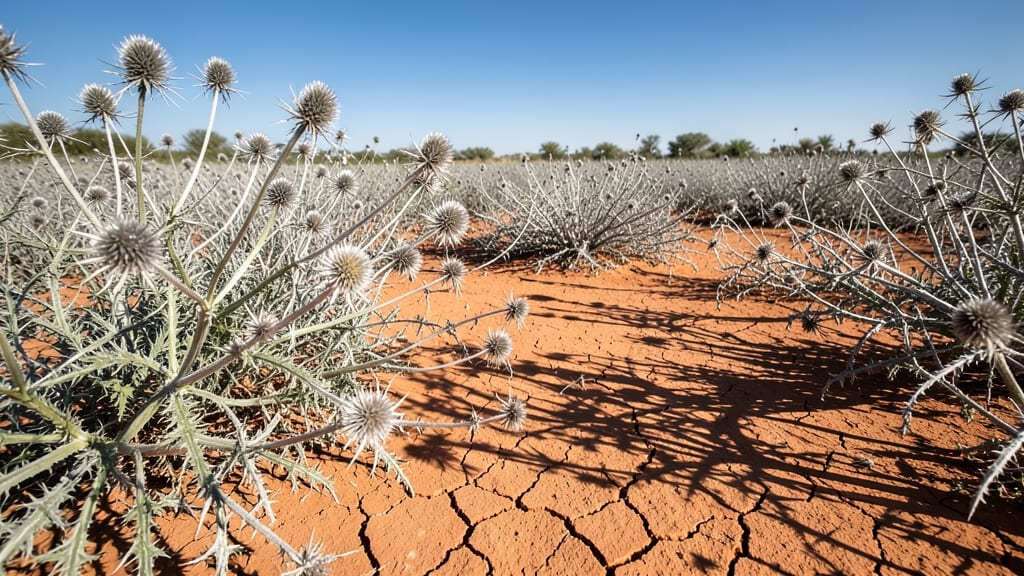
Struggling to grow plants in heavy clay soil with poor drainage? These 10 sun-loving, drought-resistant plants not only survive but thrive in your challenging conditions, requiring minimal extra care.
Russian Sage for Clay Soil Gardens
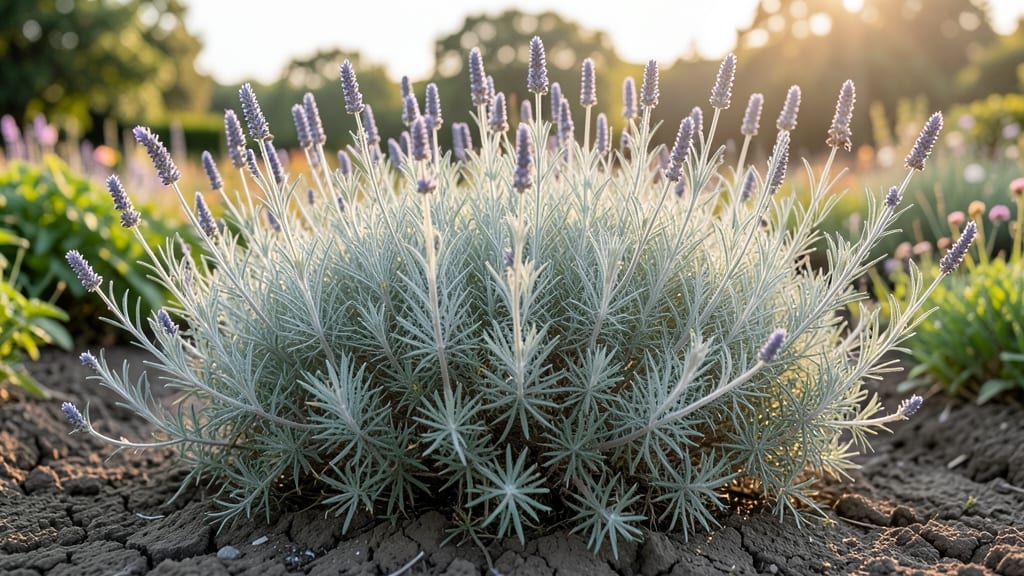
If you're tired of battling soggy clay soil that smothers other plants, Russian sage (Perovskia atriplicifolia) is your secret weapon. This drought-proof perennial thrives in full sun while handling poor drainage better than most ornamentals, making it one of the easiest plants to grow in heavy clay.
The silvery-blue foliage provides striking contrast year-round, while its lavender-blue flower spikes bloom from mid-summer until frost, attracting bees, butterflies, and hummingbirds. Unlike many perennials, Russian sage requires no soil amendments—just full sun and occasional pruning to maintain its tidy shape. It's perfect for borders, slopes, or even large containers where its upright growth adds structure.
Gardeners with clay soil will love how this plant reduces maintenance while adding color and texture. It's especially great for urban gardens or low-water landscapes where other plants struggle. 🌿
Black-Eyed Susan Perennials
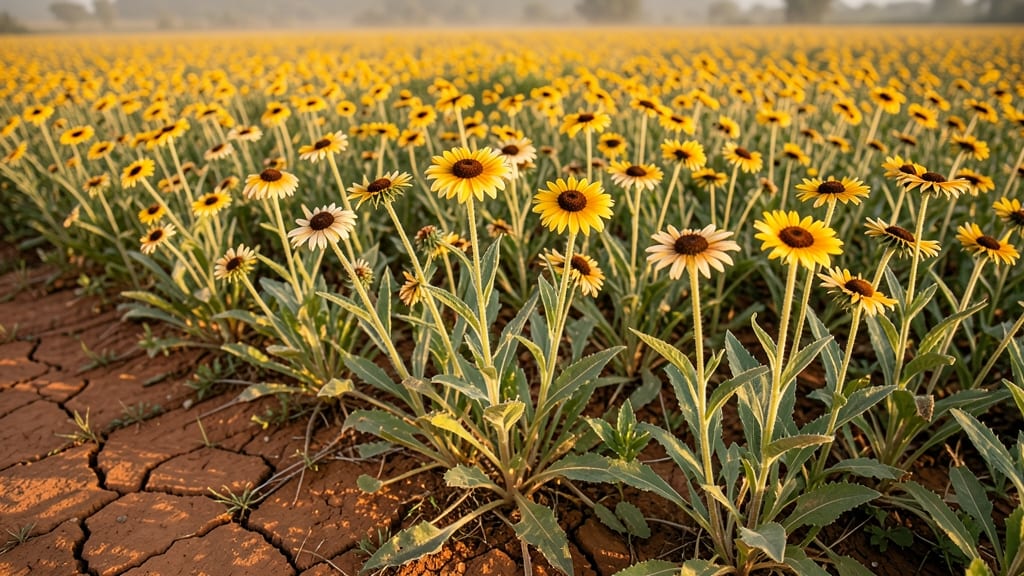
If you're looking for a low-maintenance wildflower that turns your clay soil into a golden meadow, Black-Eyed Susan (Rudbeckia hirta) is your answer. This native perennial thrives in full sun, handles heat and humidity like a champ, and spreads effortlessly—meaning fewer gaps in your garden over time.
Plant them in spring or early fall for best results, spacing them 12-18 inches apart to give them room to grow. Once established, they require little to no watering and even improve soil health as they grow. The cheerful yellow blooms with dark centers appear in late summer and last until frost, providing long-lasting color and attracting pollinators like bees and butterflies.
Perfect for beginners or busy gardeners, Black-Eyed Susan brings joy with minimal effort—ideal for borders, meadows, or even containers. 🌻
Butterfly Weed for Sun-Drenched Gardens
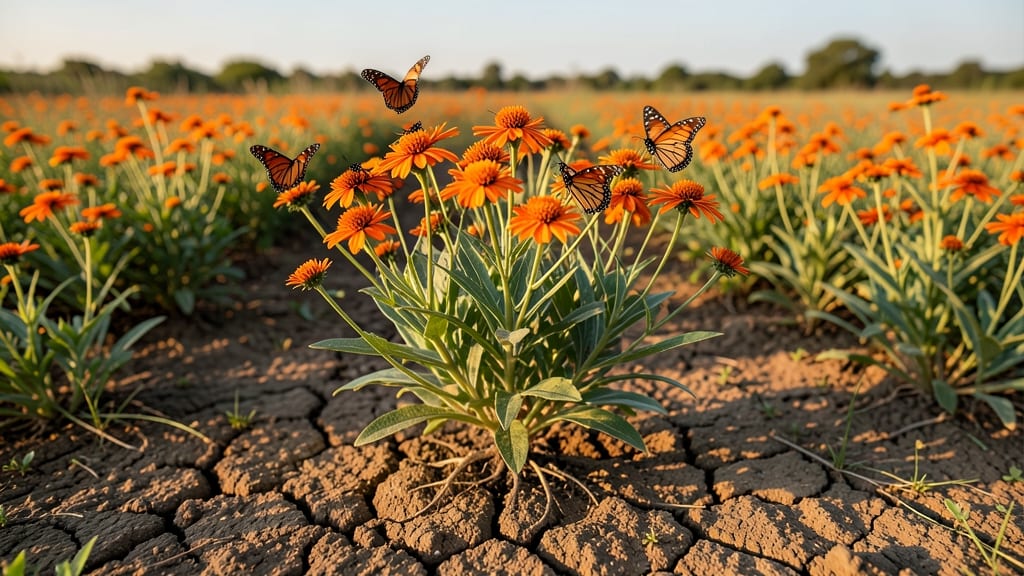
Want a low-maintenance plant that turns your clay soil into a monarch butterfly magnet? Butterfly weed (Asclepias tuberosa) thrives where others fail, producing vibrant orange blooms that last from early summer through fall—no extra watering required.
This native perennial handles compacted clay beautifully while its milky-white sap naturally deters pests like deer and rabbits. The flowers are irresistible to monarchs, making it a must-have for pollinator gardens. Simply plant in full sun, water occasionally, and watch it spread over time.
Perfect for beginners or busy gardeners, butterfly weed requires almost no soil prep and blooms year after year. Add it to borders, meadows, or even containers for effortless color. 🌻
Lavender for Clay Soil Landscapes
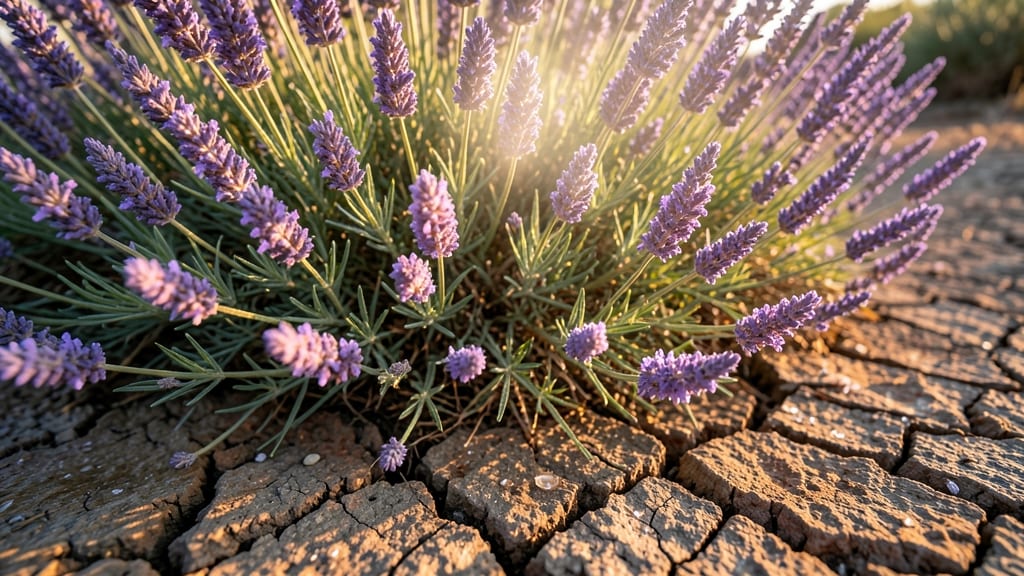
Tired of battling soggy clay soil that smothers other plants? Lavender isn't just fragrant—it actively improves your soil while thriving in full sun and poor drainage. This drought-tolerant shrub breaks up compacted clay over time, making it a dual-purpose solution for both beauty and soil health.
Plant English lavender or Spanish lavender varieties in well-drained spots (even if your soil isn't perfect) and give them 6 hours of direct sun daily. The mosquito-repelling oils in its leaves create a natural barrier, while its compact growth habit (2-3 feet tall) fits neatly into borders or containers. Prune after blooming to maintain shape and encourage fuller growth.
Perfect for beginners or urban gardeners with limited space, lavender requires almost no maintenance once established. Just avoid overwatering—its roots prefer dry conditions. 🌿
Coneflower for Clay Soil Gardens
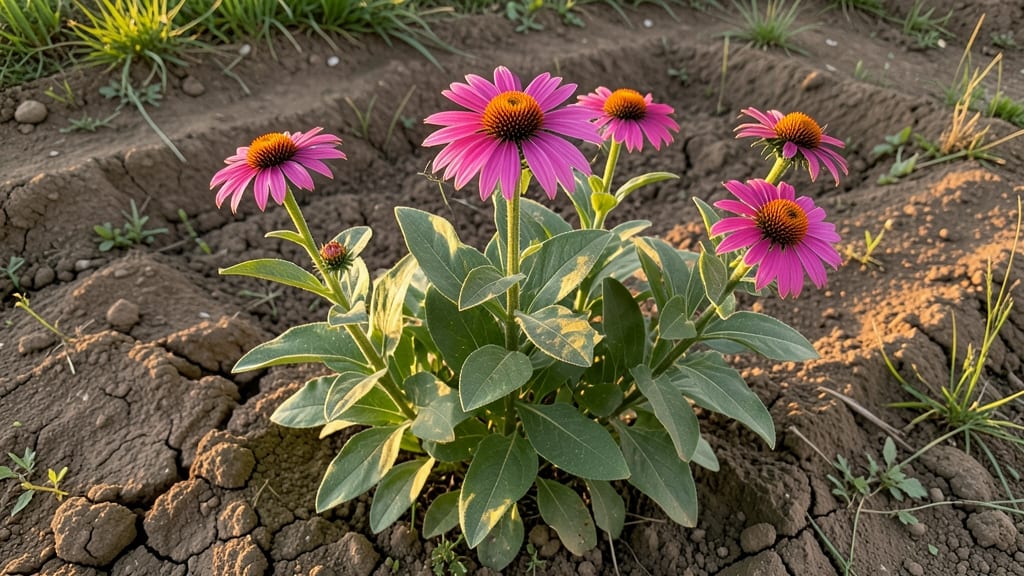
Tired of struggling with clay soil that smothers other plants? Coneflower (Echinacea) turns your heavy soil into a pollinator paradise with its long-lasting blooms and tough constitution. This native perennial thrives in full sun while tolerating poor drainage, making it a standout for clay gardens.
Plant purple or pink coneflowers in spring or fall, spacing them 18-24 inches apart. They require minimal care—just water occasionally once established—and will reward you with 3-4 months of blooms from early summer through fall. The unique cone-shaped centers provide food for bees and butterflies, while the daisy-like petals add vibrant color to your landscape.
Perfect for beginner gardeners and pollinator enthusiasts, coneflowers also make excellent cut flowers that last weeks in vases. Their deep roots help break up compacted clay over time, improving soil structure for future plantings. 🌻
Yarrow with Foliage Contrast
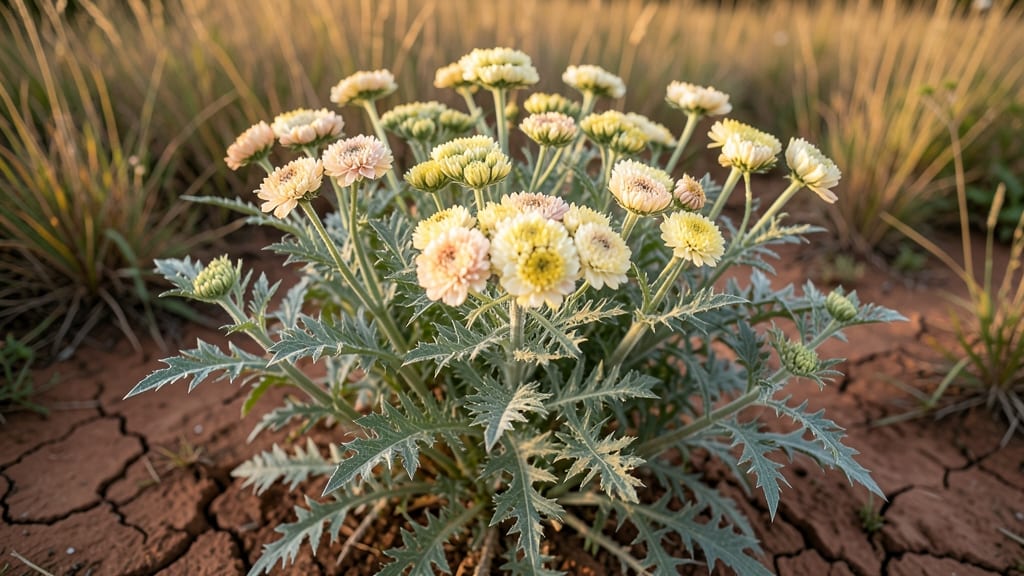
Looking for a low-maintenance perennial that adds texture and color to clay-heavy gardens? Yarrow (Achillea millefolium) thrives where others struggle, with its fern-like foliage and flat-topped flower clusters that bloom from early summer through fall.
This hardy plant tolerates full sun and poor drainage while improving soil aeration over time—ideal for heavy clay. Choose varieties like 'Moonshine' (golden foliage) or 'White Beauty' (pure white blooms) for striking contrast. Deadhead spent flowers to encourage more blooms, and let some seed heads remain for winter interest.
Perfect for beginner gardeners or those with tough conditions, yarrow spreads easily but stays manageable with occasional division. Its resilience and pollinator appeal make it a standout in sun-drenched clay soil gardens. ✨
Sedum for Succulent Clay Solutions
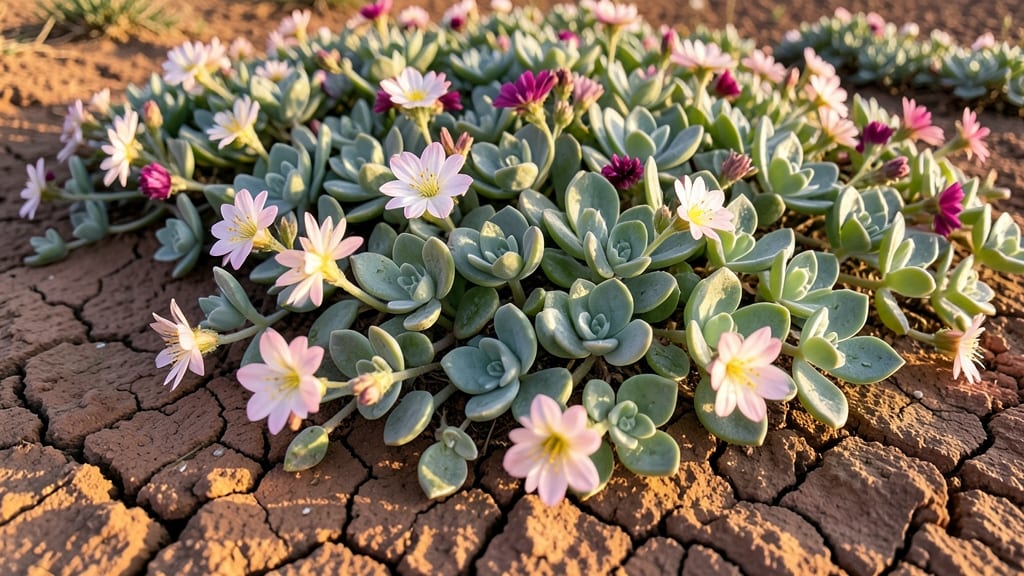
If your clay soil feels like a desert after a rainstorm, sedum is the plant that turns your struggles into a thriving ground cover. These succulent-like perennials store water in their thick, fleshy leaves—nature’s built-in drought defense—while producing cheerful star-shaped blooms in late summer when many gardens fade.
Sedum varieties like ‘Autumn Joy’ or ‘Dragon’s Blood’ thrive in full sun and poor soil, spreading easily to create lush carpets that suppress weeds. Their deep roots help break up compacted clay over time, while their late-season flowers feed pollinators when food is scarce. Water only when the soil is completely dry—once established, they’ll handle neglect like a pro.
This is the ideal choice for low-maintenance gardeners or urban yards with tough conditions. Plant in masses for instant impact or edge walkways for a polished, drought-smart look. 🌻
Goldenrod for Late-Season Color
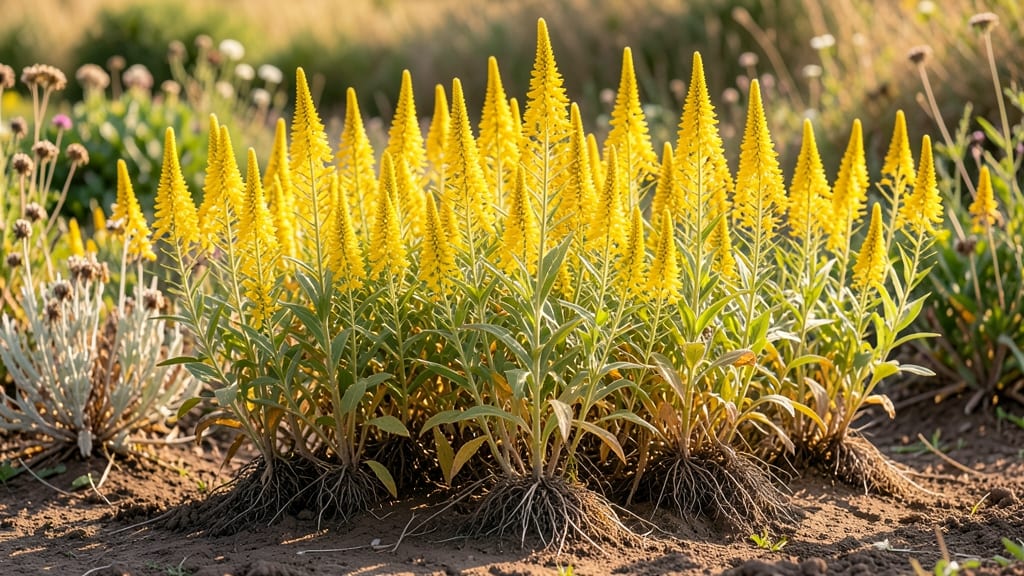
When your garden seems to fade as summer winds down, goldenrod steps in as the unsung hero of late-season color. This native perennial bursts into bright yellow plumes from August through October, long after most annuals have called it quits, and it thrives in the very conditions that stump other plants—compacted clay soil and full sun.
Goldenrod's secret weapon is its deep root system, which breaks through heavy clay while collecting moisture and nutrients others miss. Plus, its feathery blooms are a magnet for bees, butterflies, and other beneficial insects that need late-season sustenance. Unlike many ornamentals, it doesn't need soil amendments—just minimal water once established and occasional deadheading to keep blooms coming.
This is the perfect plant for gardeners who want year-round interest with almost no effort. Whether you're filling a sunny border or reclaiming a tough spot, goldenrod delivers color and ecosystem benefits without the fuss. 🌻
Catmint for Long-Blooming Beauty
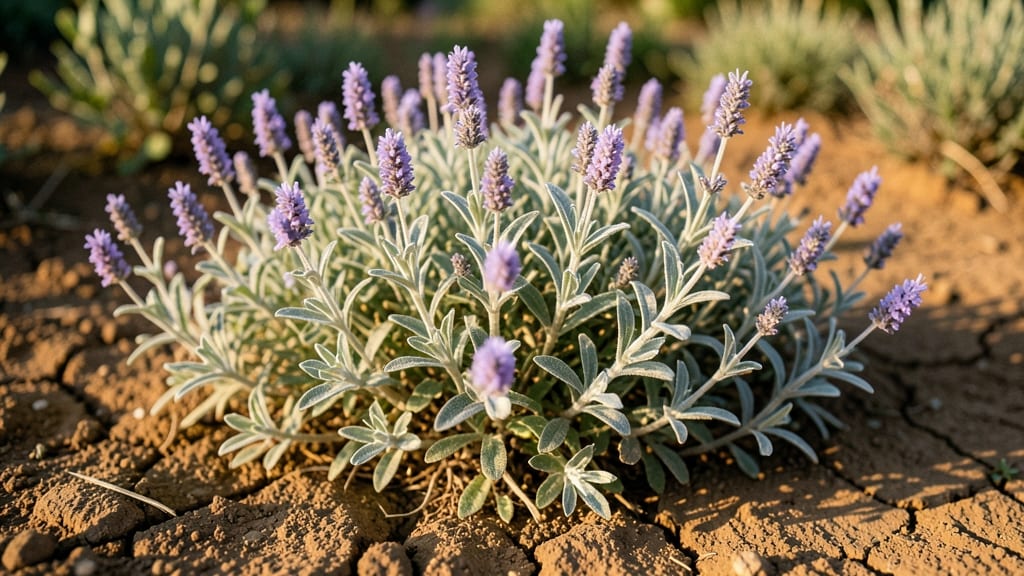
If you love low-maintenance perennials that keep blooming without fuss, catmint is your secret weapon for clay soil gardens. This mint-family plant thrives in heavy clay without amendments, repels pests with its silvery foliage, and rewards you with spring-to-fall blooms in shades of lavender, purple, or white.
Plant catmint in full sun positions where other plants struggle, and it will spread gradually (but not invasively) while improving soil structure over time. The aromatic foliage deters deer and rabbits, making it a natural garden protector. Deadhead spent blooms to encourage continuous flowering, but otherwise, this plant requires minimal care once established.
Perfect for beginners or busy gardeners, catmint transforms clay soil into a pollinator magnet while adding texture and color to borders or cottage gardens. 🌻
Russian Thistle for Dramatic Texture

Want to transform your heavy clay garden into a striking visual statement without breaking a sweat? Russian thistle (also called tumbleweed) delivers architectural drama with its iconic spiky seed balls that persist through winter, adding texture to your landscape.
This hardy annual thrives in full sun and poor drainage, making it perfect for clay soil where other plants struggle. Its deep roots break up compacted soil over time, improving structure for future plantings. Simply scatter seeds in early spring—they’ll self-sow for years, creating low-maintenance ground cover.
Perfect for gardeners who love minimalist, high-impact designs or need a solution for problem areas. Just be prepared for its tumbling habit—it’s a trade-off for that unique, wild beauty. ✨