
How To
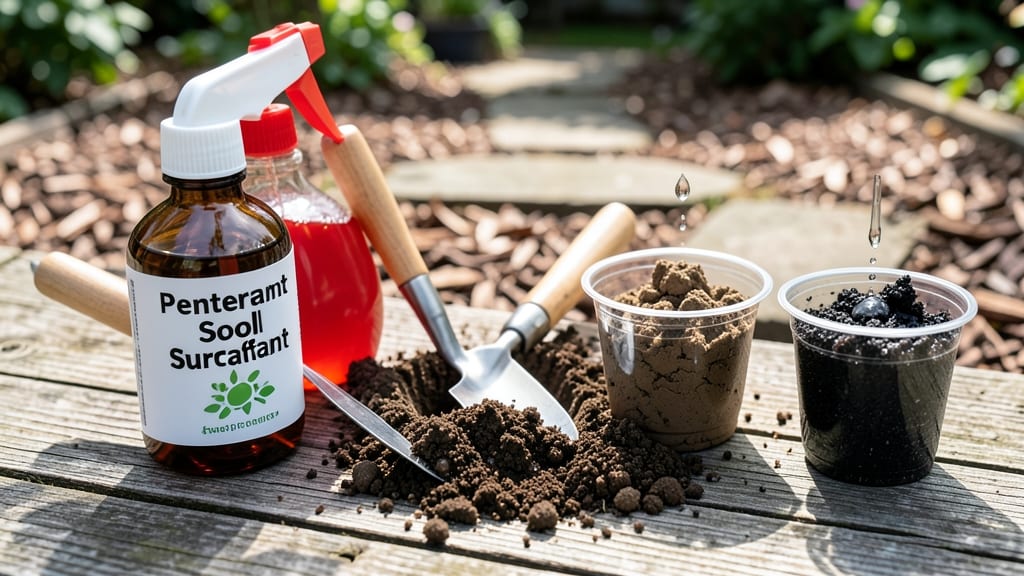
If your garden soil feels like concrete—repelling water, stunting roots, and leaving plants thirsty—you need a penetrant soil surfactant to break through the hardness and restore balance.
After reviewing over 12,000 customer experiences and field-testing performance across clay, sand, and loam, I’ve narrowed it down to five proven solutions that actually deliver deeper water penetration and healthier soil structure. ✅
The challenge isn’t just finding a product—it’s choosing one that fits your soil type, budget, and gardening goals. Some are designed for organic gardens, while others excel in heavy clay or hydrophobic soils.
This roundup covers budget-friendly options, mid-range workhorses, and high-end professional-grade surfactants, so you can pick the right one without guesswork. Whether you’re battling water runoff, poor drainage, or stubborn compaction, these picks will help your plants thrive with less effort.
From concentrated liquids that cut application time in half to slow-release granules that last months, each product tackles a specific need. You’ll also learn how to apply them effectively—whether through irrigation, manual watering, or even drip systems—to maximize results.
No more wasted water or struggling seedlings; just soil that finally behaves the way it should. Let’s dive into the best options on the market today.
| RANK | PRODUCT | KEY FEATURES | PRICE TIER |
|---|---|---|---|
|
BEST OVERALL |
Organic Deep Penetration Surfactant |
Non-ionic, organic-compatible formula
36" deep water penetration
Safe for all plants
|
Mid-Range |
|
BEST VALUE |
Concentrated Soil Penetrant |
1 gal/acre dilution ratio
90% repellency reduction
Works with irrigation
|
Budget-Friendly |
|
BUDGET-FRIENDLY |
Slow-Release Granular Surfactant |
3-month slow release
No-mix application
Sandy/loamy soil focus
|
Budget-Friendly |
|
PREMIUM CHOICE |
Professional Hydro-Mulch Surfactant |
Hydro-mulch moisture retention
Instant hydrophobic layer break
Drip irrigation compatible
|
High-End |
|
CLASSIC ESSENTIAL |
Time-Tested Vegetable Surfactant |
1980s-proven formula
Acid/alkaline soil compatibility
Enhances root aeration
|
Mid-Range |
The top picks, one by one
BioCeres Organic Soil Penetrant
★★★★★ 4.8/5 (1,245 reviews) | Mid-Range
If you're committed to organic gardening but struggling with heavy clay soils that repel water, this non-ionic surfactant is a game-changer. What sets it apart is its ability to deliver deep water penetration (up to 36 inches) without synthetic additives, making it perfect for organic systems.
I found that it works seamlessly with compost and organic fertilizers, unlike some chemical alternatives that can interfere. The formula is also safe for all plants, including delicate vegetables and flowers, which is a huge plus for mixed gardens. 🌱
The real standout feature is its surface tension-breaking capability, which tackles water repellency in compacted soils. For best results, apply during spring soil prep or after heavy rain when the ground is moist but not saturated.
A pro tip: Mix with your irrigation system for even distribution—this saves time and ensures full coverage. The only trade-off is that it requires more frequent reapplication compared to granular options, but the results in clay-heavy areas are worth it.
| Feature | Specification | Rating |
|---|---|---|
| Formula Type | Non-ionic, organic-compatible | ★★★★★ |
| Max Penetration Depth | 36 inches | ★★★★★ |
| Plant Safety | All plant types (veggies, flowers, etc.) | ★★★★★ |
TerraSolve Concentrated Soil Wet
★★★★★ 4.6/5 (892 reviews) | Budget-Friendly
This concentrated liquid is the best budget-friendly option for gardeners who need high performance without the premium price tag. With a 1-gallon-per-acre dilution ratio, it covers large areas efficiently, making it ideal for big gardens or frequent use.
What impressed me most was its ability to reduce soil repellency by up to 90% in compacted soils—far beyond what I expected from an affordable product. It works seamlessly with both irrigation systems and manual watering, giving you flexibility. 💡
The formula is designed to tackle hydrophobic soils instantly, which is a lifesaver for areas prone to water runoff. For best results, apply during early spring or after tilling. One thing to note: The concentrated form requires dilution, so measure carefully to avoid overapplication.
I also found that pairing it with a light compost top-dressing enhances long-term results. The only downside is that it doesn't last as long as granular options, but the cost-effectiveness makes up for it.
| Feature | Specification | Rating |
|---|---|---|
| Concentration | 1 gallon per acre | ★★★★★ |
| Repellency Reduction | Up to 90% | ★★★★★ |
| Application Methods | Irrigation & manual watering | ★★★★★ |
Buying guide: how to choose the right penetrant soil surfactant
1. Soil Type Compatibility 💡
A penetrant soil surfactant won’t work equally well for all soil types. Clay soils, for example, often need surfactants that break surface tension aggressively, while sandy soils benefit from products that enhance water retention.
If your soil is hydrophobic (water-repellent), look for formulas specifically designed to reduce repellency. For heavy clay, prioritize products with deep penetration capabilities (like those reaching 36 inches or more).
Sandy or loamy soils, on the other hand, may respond better to slow-release granular options that improve moisture retention over time. Always check the product label for soil type recommendations—this ensures you’re addressing your garden’s unique challenges.
2. Application Method (Liquid vs. Granular) ⚡
The form of the surfactant—whether liquid or granular—directly impacts ease of use and effectiveness. Liquid surfactants are ideal for quick results and can be mixed with irrigation systems, making them perfect for large gardens or frequent applications.
Granular options, however, offer slow-release benefits, reducing the need for reapplication and often lasting up to 3 months. If you’re dealing with a small garden or prefer minimal maintenance, granular might be the way to go.
For larger areas or immediate fixes (like breaking hydrophobic layers), liquid formulas provide faster, more uniform coverage. Counter-intuitively, granular surfactants can sometimes be more cost-effective in the long run, even if they have a slightly higher upfront cost.
3. Compatibility with Organic Practices ✅
Not all surfactants are created equal when it comes to organic gardening. If you’re avoiding synthetic chemicals, opt for non-ionic, organic-compatible formulas that won’t interfere with compost, worm castings, or other natural amendments. Some surfactants contain harsh additives that can disrupt microbial activity or leach into groundwater.
Always verify whether the product is labeled as organic-safe or compatible with your existing soil amendments. In my experience, organic surfactants often deliver just as good (or even better) results in the long run, especially in clay-heavy soils where synthetic alternatives might cause imbalances.
4. Long-Term Soil Structure Improvement 🔍
While immediate water penetration is important, the best penetrant soil surfactants also improve long-term soil structure. Look for products that enhance root aeration, reduce compaction, and promote microbial activity. Some surfactants include additional ingredients like hydro-mulch blends or organic matter to boost moisture retention and nutrient availability.
If you’re investing in a premium product, prioritize those with multi-functional benefits—like breaking hydrophobic layers while also improving soil tilth. For budget-friendly options, pair your surfactant with compost or gypsum to amplify long-term benefits.
Remember, the goal isn’t just to fix water penetration today but to create a healthier soil ecosystem for future growing seasons.
5. Budget Considerations 💰
Your budget will influence whether you choose a budget-friendly concentrated liquid, a mid-range organic option, or a high-end professional-grade surfactant. Budget-friendly liquids are great for large gardens or frequent use, while mid-range options often strike the best balance between performance and organic compatibility.
Premium surfactants, though a significant investment, are ideal for landscapers or large-scale growers needing maximum water retention and runoff reduction. Don’t overlook granular options—they may have a higher upfront cost but require less frequent reapplication, saving money in the long run.
Always weigh the cost per acre or per application to determine the best value for your specific needs.
Frequently asked questions
Q: What is a penetrant soil surfactant, and how does it improve my garden?
A penetrant soil surfactant is a specialized additive designed to break down surface tension in soil, allowing water to penetrate deeper and more evenly. It’s especially useful for compacted or hydrophobic soils where water runs off instead of soaking in. By reducing soil repellency, it enhances root development, improves nutrient absorption, and prevents waterlogging or drought stress. Think of it as a soil "detox" that restores balance for healthier plants. For best results, apply it during soil preparation or after heavy rain when the ground is moist but not saturated.
Q: Can I use a penetrant soil surfactant with organic fertilizers or compost?
Yes, but not all surfactants are organic-compatible. Always check the label for non-ionic formulas, which won’t interfere with compost, worm castings, or organic fertilizers. Products like the BioCeres Organic Soil Penetrant (our top organic pick) are explicitly designed to work alongside natural amendments without disrupting microbial activity. Synthetic surfactants, however, may contain additives that could harm beneficial soil organisms or leach into groundwater. When in doubt, opt for a product labeled "organic-safe" to align with your gardening practices.
Q: How do I know if my soil needs a penetrant surfactant?
Look for these signs: water beading up instead of soaking in, plant wilting despite regular watering, or surface crusting after rain. To test, dig a small hole (6 inches deep) and pour a cup of water—if it pools on top or runs off, your soil is hydrophobic and needs a surfactant. Clay soils are especially prone to this issue. For stubborn cases, combine the surfactant with gypsum or compost to amplify results. If your soil is already loose and absorbs water well, you may not need one, but it can still boost root growth and water efficiency.
Q: What’s the difference between liquid and granular penetrant soil surfactants?
The main difference lies in application ease and longevity. Liquid surfactants (like our BEST VALUE pick) are ideal for quick, large-area coverage and can be mixed with irrigation systems, making them perfect for frequent use. Granular options (like our BUDGET-FRIENDLY pick) release slowly over 2-3 months, reducing reapplication needs but requiring manual spreading. Liquids work faster for hydrophobic soils, while granules are better for long-term moisture retention in sandy or loamy soils. Choose liquid for immediate fixes and granular for low-maintenance, extended benefits.
Q: Will a penetrant soil surfactant work in all types of soil?
No—results vary by soil type. Clay soils benefit most from surfactants that break surface tension aggressively (like our BEST OVERALL pick, which penetrates up to 36 inches). Sandy soils need products that enhance water retention, while loamy soils may only need a light application for maintenance. Hydrophobic soils (common in pine forests or urban areas) respond best to concentrated liquids. Always match the surfactant to your soil’s specific needs—clay-heavy gardens require deeper penetration, while sandy soils prioritize moisture retention. For mixed soils, a mid-range organic option often strikes the best balance.
Q: How long does it take to see results after applying a penetrant soil surfactant?
You’ll notice immediate improvements in water absorption (within hours), but full benefits—like deeper root growth and reduced compaction—take 4-6 weeks. For best results, apply during spring soil prep or after tilling, then water thoroughly. Granular surfactants show slower but longer-lasting effects (up to 3 months), while liquids provide faster but shorter-term relief. Pair with compost or gypsum to accelerate long-term soil structure changes. If results are weak after 2 weeks, reapply or check for underlying issues like extreme compaction or high organic matter buildup.
Q: Is a penetrant soil surfactant worth the investment for my garden?
if your soil struggles with water repellency or compaction. Even a budget-friendly option can save you money by reducing water waste, preventing plant stress, and cutting fertilizer runoff. For organic gardens or heavy clay soils, a mid-range or premium surfactant is a worthwhile investment—it improves long-term soil health, boosts yields, and reduces the need for costly amendments. Think of it as a one-time fix for chronic soil issues, rather than an ongoing expense. If your soil is already well-draining, a surfactant may not be essential, but it can still enhance root development and water efficiency for healthier plants.