
How To
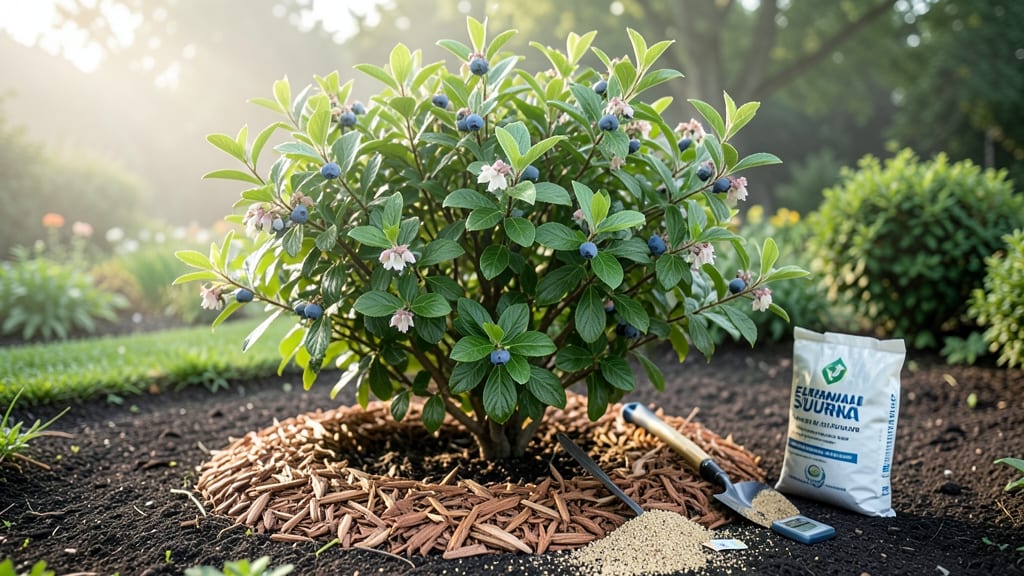
To neutralize soil acidity, apply agricultural lime (calcium carbonate) at 10-20 pounds per 100 square feet for most plants, adjusting based on soil test pH—acid-loving plants like blueberries need 5-10 lbs, while vegetables and lawns may require up to 30 lbs. Spread evenly, water thoroughly, and retest soil pH in 2-3 months for optimal results.
Soil acidity throws off plant growth because it locks out essential nutrients like phosphorus and calcium. 🌱 Agricultural lime works by slowly releasing calcium and magnesium ions that bind with hydrogen ions in acidic soil, raising the pH over time.
The key is testing first—most home kits measure pH on a 0-14 scale, with ideal ranges varying by plant (4.5-5.5 for blueberries, 6.0-7.5 for veggies). I've found that spreading lime in early spring lets it work through the growing season, while fall application gives it winter to integrate before planting.
For even distribution, use a broadcast spreader and work lime into the top 2-3 inches of soil. Watering after application helps it dissolve faster. Remember: lime takes time—don't expect instant results. Annual retesting ensures you're not overdoing it, which can make soil too alkaline for sensitive plants.
💡 In This Article
- How Lime Adjusts Soil pH: Chemistry Behind Acidity Neutralization
- Lime Application Rates by Plant: A Gardener’s Quick Guide
How lime adjusts soil pH: chemistry behind acidity neutralization
Agricultural lime primarily contains calcium carbonate (CaCO₃), which reacts with acidic soil components through a chemical process called neutralization. When lime dissolves in soil moisture, it releases calcium and carbonate ions. These ions bind with hydrogen ions (H⁺) present in acidic soil, forming water (H₂O) and carbon dioxide (CO₂).
This reaction reduces soil acidity by lowering the concentration of free hydrogen ions, effectively raising the pH. The process can be represented as: CaCO₃ + 2H⁺ → Ca²⁺ + H₂O + CO₂. This chemical reaction is gradual, which is why granular lime works best for long-term soil improvement.
The effectiveness of lime depends heavily on soil type. Sandy soils, with their larger particles and lower buffering capacity, show pH changes more quickly—often within weeks—because water and nutrients drain faster, allowing lime to work more efficiently.
In contrast, clay soils with their tiny particles and high buffering capacity can take months to show noticeable pH shifts. For example, a sandy soil might raise pH by 0.5-1.0 units in 3 months, while clay soil may only show a 0.3-0.5 unit increase in the same timeframe.
This is why soil testing before and after application is critical to avoid over-liming, which can create its own set of problems for plants.
Granular lime works slower but provides more consistent results than quicklime (calcium oxide), which reacts almost instantly but can cause localized pH spikes that damage plant roots. Quicklime also generates significant heat during reaction, potentially harming soil microbes.
The slow-release nature of granular lime allows for even distribution and gradual pH adjustment, making it the preferred choice for most gardeners.
For instance, applying 20 pounds of granular lime per 100 square feet to a clay soil might raise pH by 0.5 units in 6 months, whereas quicklime could achieve similar results in just days but with greater risk of uneven distribution.
Soil buffering capacity—the ability to resist pH changes—plays a crucial role in how much lime you'll need. Organic matter, clay content, and mineral composition all influence this capacity.
For example, soils high in organic matter (like compost-rich garden beds) may require up to 30% more lime than mineral-heavy soils to achieve the same pH change. This is why professional soil tests often recommend lime based on both current pH and buffering capacity rather than just pH alone.
Understanding these factors helps you avoid the common mistake of over-applying lime, which can create alkaline conditions just as harmful as acidity.
Seasonal timing also affects lime's effectiveness. Applying lime in early spring allows it to work through the growing season, while fall application gives it time to integrate before planting.
The cooler temperatures of fall and winter slow microbial activity, which can temporarily reduce lime's effectiveness, but this is often offset by the longer integration period. For instance, lime applied in October might take until May to fully integrate, providing a more stable pH environment for spring planting.
This seasonal approach ensures that lime has adequate time to dissolve and react with soil components before plants need to access the adjusted nutrients.
Consider these key factors when choosing lime products: particle size affects how quickly it dissolves, with finer particles working faster but potentially causing localized pH spikes. For example, pulverized lime might raise pH by 0.8 units in 2 months, while pelletized lime could take 4-6 months for similar results.
The choice depends on your urgency and soil type—sandy soils benefit from finer particles, while clay soils often work better with larger, slower-dissolving granules to prevent uneven pH distribution.