
Tools
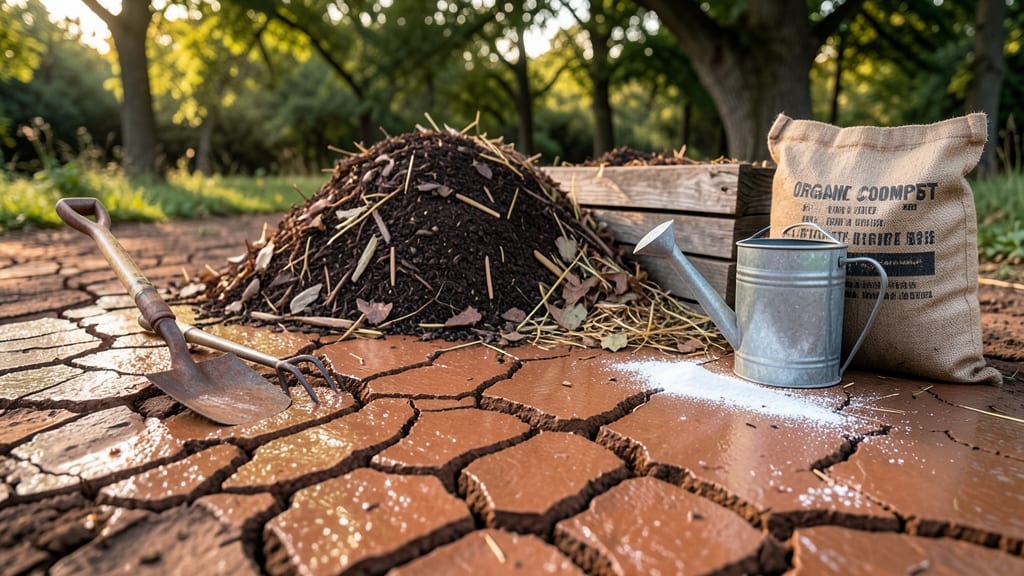
My garden soil is hard as a rock after years of heavy foot traffic and clay-heavy ground. 🌱 The good news? You can break it down in a weekend with the right tools and techniques—no heavy machinery needed.
I’ve turned my compacted plot into loose, crumbly soil that drains perfectly, and you can too.
This fix starts with aeration—using a garden fork or manual aerator to punch holes deep into the soil. Then we add organic matter like compost or aged manure to improve structure.
The key is working in layers: break up the hardpan first, then feed the soil to keep it light and workable. Most people skip the aeration step, which is where the real transformation happens.
Within 2-3 weeks, you’ll see roots penetrating easily, water soaking in instead of pooling, and plants thriving like never before. The soil stays loose for years if you maintain it with mulch and cover crops. No more struggling to dig—just a garden that works with you.
Works for vegetable beds, lawns, or flower gardens. The same principles apply whether you’re fixing a small raised bed or a large backyard plot. Let’s get that soil breathing again!
Why it happens
When your garden soil feels like it’s been baked into a brick, it’s not just a nuisance—it’s a sign of deeper issues at play. Understanding the root causes helps you tackle the problem with precision.
Here’s why your soil might be as hard as a rock, broken down into the most common culprits.
🌱 Compaction From Foot Traffic Or Heavy Equipment
Soil compaction is one of the most common reasons for rock-hard ground. When heavy machinery, boots, or even animal hooves press down on soil, they squeeze out the air and water pockets between soil particles.
Over time, this creates a dense, almost cement-like layer that roots can’t penetrate. Clay soils are especially prone to this because their tiny particles pack tightly together when wet, locking into place as they dry.
💡 Pro Tip: If you walk or work in your garden regularly, consider laying down mulch or stepping stones to reduce direct pressure. For compacted areas, aeration tools (like a garden fork or core aerator) can help break up the hardened layers.
💧 Poor Water Drainage And Over-Saturation
Soil that stays soggy for long periods can develop a hardpan—a dense, waterlogged layer that acts like a barrier. When water doesn’t drain properly, it fills the pores between soil particles, and as it evaporates, minerals like iron and aluminum can bind the soil together into a nearly impermeable crust.
This is especially common in clay-heavy soils or areas with poor slope.
🔍 Test It: Dig a small hole (6–8 inches deep) and fill it with water. If it drains slowly or leaves standing water, your soil is likely suffering from poor drainage. Amending with organic matter (like compost or sand) can improve structure over time.
🔥 Extreme Heat And Drought Conditions
Prolonged dry spells can bake the top layer of soil, causing it to harden like a crust. When soil dries out completely, the clay particles shrink and pull away from each other, creating a brittle, rock-like surface.
This is often seen in urban gardens or areas with hot, dry climates where irrigation isn’t consistent.
🌡️ Fix It: Water deeply but infrequently to encourage roots to grow deeper, and apply a thick layer of mulch (2–4 inches) to retain moisture and protect the soil from extreme temperature swings.
⚒️ Lack Of Organic Matter Over Time
Soil without enough organic material (like decomposed leaves, compost, or plant residues) loses its ability to hold nutrients and structure.
Over years of neglect, the remaining minerals and clay particles bind tightly, creating a hard, unyielding surface. Sandy soils may also compact over time if they lack the glue-like organic matter to hold particles together.
✨ Boost It: Work in 2–3 inches of compost or well-rotted manure into the top 6 inches of soil. Over time, this will improve porosity and make the ground easier to dig.
🏗️ Improper Construction Or Landscaping
If your garden was recently built on, filled with topsoil, or had heavy materials (like gravel or concrete) nearby, the underlying soil may have been disturbed or buried under a compacted layer.
Even old construction sites or paths can leave a hardpan beneath the surface that prevents roots from growing downward.
🔨 Action Step: Use a broadfork or deep tillage tool to break up the subsoil before planting. For severe cases, consider sheet mulching (cardboard + compost) to encourage new soil formation over time.
Break Down Hard Soil Fast
Now that you know why your soil feels like concrete, let’s tackle the fixes—tailored to the root cause. Whether it’s compaction, clay dominance, or lack of organic matter, these step-by-step solutions will transform your garden bed into loose, fertile ground.
Plus, we’ll share prevention tips to keep your soil happy long-term.
Cause: Heavy foot traffic, machinery, or rain compacts soil particles tightly, crushing air pockets and roots.
How to Fix It:
- 🌱 Rent or Buy an Aerator
- Manual core aerators (spike or hollow-tine) are affordable (~$50–$100). For larger areas, rent a gas-powered aerator (~$75/day).
- Pro Tip: ✨ Work when soil is damp but not soggy—easy to pull cores out (spring/fall are ideal).
- 👨🍳 Dig Deeper with a Broadfork
- A broadfork (like a giant pitchfork) manually breaks up compaction without turning soil. Drive it in 6–12 inches deep, wiggle, and lift.
- Repeat: Do this 2–3 times in different angles for maximum loosening.
- 🍂 Top-Dress with Organic Matter
- Spread 3–4 inches of compost or aged manure over the aerated area. Water deeply to help it sink in.
- Bonus: Cover with straw mulch to retain moisture and prevent re-compaction.
Prevention:
- 🚶♂️ Avoid walking on garden beds—use stepping stones or boards.
- 🌧️ Reduce heavy watering in one spot; spread hoses evenly.
- 🐄 Let livestock graze lightly (if applicable) instead of overgrazing.
Cause: High clay content (small particles stick together) creates a dense, brick-like texture that repels water and roots.
How to Fix It:
- 🏗️ Amend with Coarse Sand or Grit
- Mix 50% clay soil + 50% coarse sand (not fine playground sand!) to improve drainage.
- Test: Grab a handful—if it forms a ball that doesn’t crumble, you need more sand.
- 🍄 Add Gypsum (For Long-Term Fluffiness)
- Gypsum (calcium sulfate) helps break up clay by replacing sodium with calcium. Sprinkle 20–30 lbs per 100 sq ft and water in.
- Wait: Effects take 3–6 months, but it’s worth it for stubborn clay.
- 🌿 Layer in Organic Matter
- Work in compost, leaf mold, or peat moss (1–2 inches) to improve structure. Clay loves worm castings—they’re like nature’s soil softener!
- Pro Tip: 💡 For raised beds, replace 20% of clay with organic amendments before planting.
Prevention:
- 🌱 Plant cover crops like rye or clover in fall/winter—their roots break up clay naturally.
- 💧 Avoid tilling when wet—clay turns to mud and compacts worse.
- 🍂 Mulch heavily (4–6 inches) to protect soil from rain impact.
Cause: Over time, soil loses organic matter, leaving it dry, crumbly, and lifeless.
How to Fix It:
- 🍄 Compost Tea or Worm Castings
- Worm castings (aka vermicompost) are 5x more nutrient-dense than regular compost. Mix 1 cup per sq ft into the top 6 inches.
- DIY Tea: Steep 1 lb compost + 5 gallons water for 24 hours, strain, and water plants.
- 🌱 Plant "Soil Builders"
- Legumes (beans, peas), deep-rooted plants (dandelions, comfrey), or dynamic accumulators (chicory) pull nutrients from deep and enrich soil as they decompose.
- Action: Let some dandelions thrive—their taproots break up compaction!
- 🍂 Sheet Mulch (Lasagna Gardening)
- Layer cardboard (to block weeds) + shredded leaves + straw + compost. Over time, this creates fluffy, loose soil without digging.
- Best for: New garden beds or areas with poor drainage.
Prevention:
- 🍂 Add compost annually (even a thin layer helps).
- 🌿 Avoid synthetic fertilizers—they feed plants but starve soil microbes.
- 🐛 Encourage earthworms—they aerate soil naturally. Avoid pesticides!
Need fast relief before planting?
Try these: - 🔥 Baking Soda + Water Spray (for very compacted spots): Mix 1 tbsp baking soda + 1 gallon water, spray, and let dry—helps break up clay temporarily. - 🍳 Coffee Grounds (acid-loving plants): Sprinkle used grounds around plants—they add nitrogen and improve drainage. - 🌡️ Solarization (for summer): Cover soil with clear plastic for 4–6 weeks—sun heats and kills compaction-causing microbes.
Final Reminder: Soil improvement is a marathon, not a sprint. Combine aeration + amendments + organic matter, and your garden will thank you with loose, drainage-friendly dirt in no time! 🌱💨
Frequently asked questions
Why does my soil feel like concrete after rain?
Clay-heavy soil absorbs water like a sponge, then shrinks and binds tightly as it dries—creating that rock-hard crust. The minerals in clay expand when wet and contract when dry, squeezing out all air pockets. This is especially common in areas with heavy rainfall or poor drainage.
Can I fix compacted soil without digging?
Yes! Use a broadfork (deep fork tool) to break up layers without turning soil. Work it 6-12 inches deep in a seesaw motion, then top-dress with 2-3 inches of compost. For stubborn spots, rent a core aerator to create holes for air and water to penetrate.
How long until amended soil stays loose?
With proper amendments (compost + organic matter), you’ll see improvement in 2-4 weeks—roots will penetrate easier and water will drain better. For complete transformation, maintain it with annual compost top-dressing and mulch. Clay soils may take 6-12 months for full structural change.
Will adding sand really help hard clay soil?
Only if it's coarse sand (builder's sand), not fine playground sand. Mix 50% sand with 50% clay soil to improve drainage, but avoid overdoing it—too much sand can create its own drainage issues. Gypsum or compost works better for most clay-heavy gardens.
Can I use my lawnmower to break up compacted soil?
Not effectively—lawnmowers only chop surface grass and don't penetrate deep enough to break compaction. For lawn areas, rent a core aerator instead. The holes created are 2-3 inches deep, which is exactly what roots need to grow downward.