
Pests
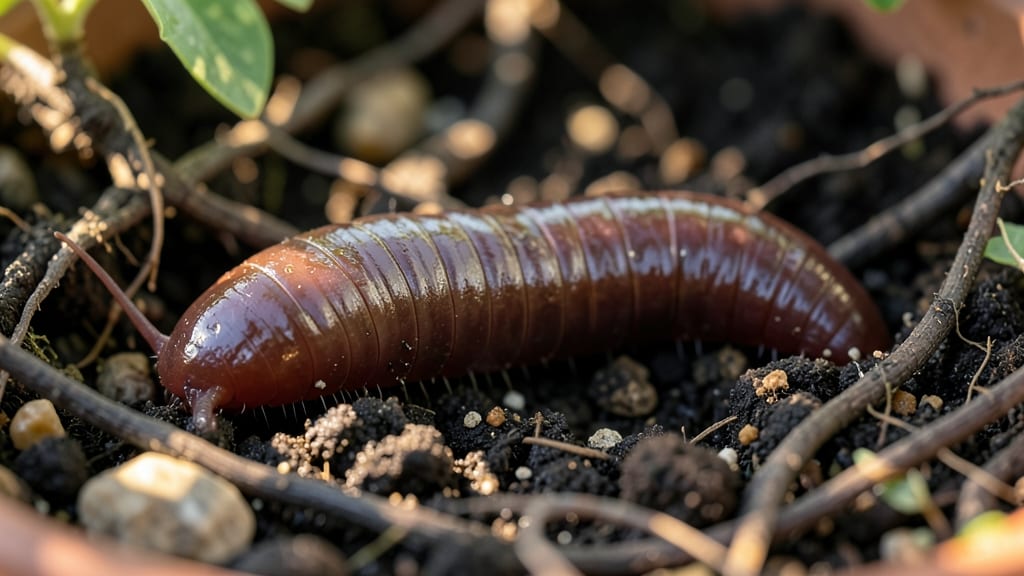
If plants are grown in soil containing worms, then they'll grow stronger with better nutrient access, improved drainage, and natural pest protection, thanks to the worms' ability to break down organic matter and create nutrient-rich castings.
If plants are grown in soil containing worms, then these tiny soil engineers constantly tunnel and aerate the earth as they move through it. 🔥 This process creates channels that help roots breathe and absorb water more efficiently, while their castings release slow-release nutrients that feed plants over time.
Studies show gardens with active worm populations can see up to 30% faster growth compared to worm-free soil, making them a gardener's secret weapon for healthier plants.
Beyond just nutrients, worms also help control pests naturally. Their burrowing disrupts the habitat of harmful insects while their waste products contain beneficial microbes that outcompete plant pathogens. 🌱 The best part?
You don't need a worm farm to see benefits—just a few red wigglers in your garden beds can make a noticeable difference within a few months.
💡 In This Article
- How Earthworms Enhance Soil Fertility Naturally
- Practical Ways to Introduce Worms for Better Plant Growth
How earthworms enhance soil fertility naturally
Earthworms act as nature's composters, breaking down organic matter at a remarkable rate. A single worm can process up to half its body weight in leaf litter daily, converting it into nutrient-rich castings that contain elevated levels of nitrogen, phosphorus, and potassium.
These castings have 5-10 times more nutrients than regular soil, creating a slow-release fertilizer that plants can access continuously. The process involves their gizzards grinding organic material into fine particles, which then mix with beneficial microbes during digestion.
The physical structure of soil transforms dramatically with worm activity. Their tunnels create macropores that improve water infiltration by 30-40%, reducing runoff while ensuring roots receive oxygen. This aeration is particularly crucial during heavy rains when compacted soil would otherwise suffocate plant roots.
You can often spot their work by the vertical tunnels they create, which act like straws delivering water directly to root zones. The texture becomes noticeably lighter and crumbly, similar to well-aged compost.
Worms also stimulate microbial activity through their digestive processes. Their castings contain beneficial bacteria like Pseudomonas and fungi that help suppress plant diseases while breaking down complex organic compounds. This microbial boost creates a symbiotic relationship where worms provide nutrients and microbes help decompose even more organic matter.
The result is a self-sustaining soil ecosystem that continuously improves over time, unlike chemical fertilizers that provide temporary boosts.
One often overlooked benefit is their role in pH balancing. As worms process acidic materials like pine needles, they release calcium carbonate through their castings, which helps neutralize overly acidic soils. This chemical buffering creates optimal growing conditions for most plants.
For example, in acidic forest soils, worm activity can raise pH levels by 0.5-1.0 points over a growing season, making nutrients like phosphorus more available to plants.
The scale of their impact becomes clear when comparing worm-rich soil to conventional garden beds. Studies show that fields with active worm populations can support 25-50% more plant biomass due to these combined benefits.
The worms' constant movement also helps prevent soil compaction from foot traffic or machinery, maintaining the ideal 10-30% porosity range for healthy root growth. This makes them particularly valuable in urban gardens where soil often gets heavily disturbed.