
Neem Oil
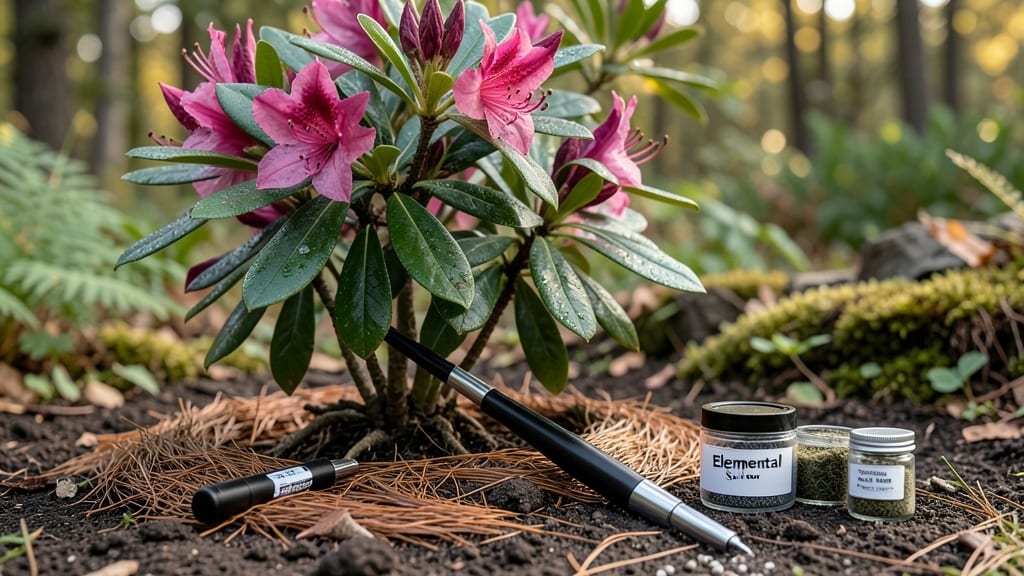
Azalea soil acidity requires maintaining a pH between 4.5 and 5.5 to support robust growth. This acidic environment mimics their native bog habitats, where they naturally thrive. Regular testing with a pH meter or kit is essential, and amendments like sulfur or peat moss should be applied if pH rises above 6.0 to prevent nutrient deficiencies and root stress.
Azaleas are famously picky about their soil conditions, and that acidity isn't just a preference—it's a survival requirement. 🌿 The lower pH unlocks critical nutrients like iron and manganese, which become locked out in alkaline soils, leading to yellowing leaves and poor flowering.
I've seen firsthand how azaleas in slightly alkaline soil (pH 6.5+) develop chlorosis, where leaves turn pale green or yellow between veins—a classic sign of nutrient starvation. The good news?
Adjusting soil acidity is straightforward with the right amendments, and container-grown azaleas give you even more control over their growing conditions.
When testing your soil, don't rely on visual cues alone—many soil problems develop gradually. A simple DIY pH test kit costs just a few dollars and gives you instant results, while lab testing provides more precise data if you're dealing with particularly stubborn soil conditions.
For organic gardeners, pine needles and coffee grounds make excellent natural acidifiers, while elemental sulfur is the fastest chemical solution for quick adjustments. The key is patience: soil pH changes take time, especially in heavy clay soils, so plan your amendments 2-3 months before your azaleas' peak growing season.
💡 In This Article
- Why Azaleas Thrive in Acidic Soil
- Step-by-Step Soil pH Adjustment for Azaleas
Why azaleas thrive in acidic soil
Azaleas evolved in acidic, peaty bogs where the soil naturally maintains a pH between 4.5 and 5.5, creating an environment where essential micronutrients become readily available.
In this acidic range, iron—critical for chlorophyll production—exists in its soluble ferrous form (Fe²⁺), allowing roots to absorb it efficiently. 🌱 When soil pH rises above 6.0, iron oxidizes into insoluble ferric form (Fe³⁺), locking it out of plant uptake and triggering chlorosis (yellowing leaves).
This nutrient starvation explains why azaleas in alkaline soils often fail to bloom or develop weak stems.
The chemistry behind this isn't just about iron—it's about the entire micronutrient availability spectrum. Manganese, zinc, and copper also become less accessible in alkaline conditions, while toxic aluminum and manganese compounds can accumulate in acidic soils (though azaleas have adapted to tolerate these at low levels).
The root zone's acidity also enhances microbial activity that breaks down organic matter, releasing additional nutrients. Think of it like a chemical lock-and-key system: azalea roots are "keyed" to thrive only when the soil's acidity unlocks these micronutrients.
What's fascinating is how azaleas' natural habitat conditions mirror these chemical needs. In their native Appalachian and southeastern U.S. bogs, organic matter like pine needles and sphagnum moss decompose slowly, maintaining that 4.5-5.5 pH range while providing the slightly moist, well-drained conditions azaleas crave.
This is why gardeners often replicate these conditions by mixing 50% native soil with 50% acidic compost—it's not just about acidity, but about mimicking the entire ecosystem's chemistry. 🌿 The contrast with alkaline soils couldn't be more dramatic: while azaleas in ideal conditions develop vibrant flowers and dense foliage, those in pH 7+ soil often show stunted growth and poor flowering within just a few seasons.
Here's where many gardeners get confused: they assume all plants prefer acidic soil, but azaleas are among the most sensitive to pH shifts. Unlike blueberries (which tolerate slightly higher acidity) or rhododendrons (their close relatives), azaleas show immediate stress symptoms when pH creeps above 5.8.
This sensitivity is hardwired into their physiology—studies show their root systems produce more organic acids to maintain the rhizosphere (root zone) at that critical 4.5-5.5 range, even when surrounding soil is slightly higher. It's nature's way of ensuring they only grow where conditions are perfect.
The visual differences between healthy and stressed azaleas are striking. A properly acidified azalea displays deep green, glossy leaves with vibrant blooms that last weeks, while an alkaline-stressed plant develops interveinal chlorosis (yellowing between leaf veins), weak stems, and sparse flowers.
The root system in acidic soil grows vigorously with fine, white root hairs that maximize nutrient absorption, whereas alkaline soil roots become thick and gnarled from nutrient starvation. This isn't just aesthetic—it's a survival mechanism that affects the plant's entire lifecycle, from bud formation to winter hardiness.
What most gardeners overlook is how soil acidity affects not just the plant above ground, but its underground biology. The mycorrhizal fungi that form symbiotic relationships with azalea roots thrive in acidic conditions, helping the plant access phosphorus and other nutrients.
In alkaline soils, these beneficial fungi either die off or become less effective, compounding the nutrient problems. This underground ecosystem is why even "healthy-looking" azaleas in slightly alkaline soil often fail to thrive when transplanted to properly acidified conditions—they're missing their microbial support network. 🔬