
How To
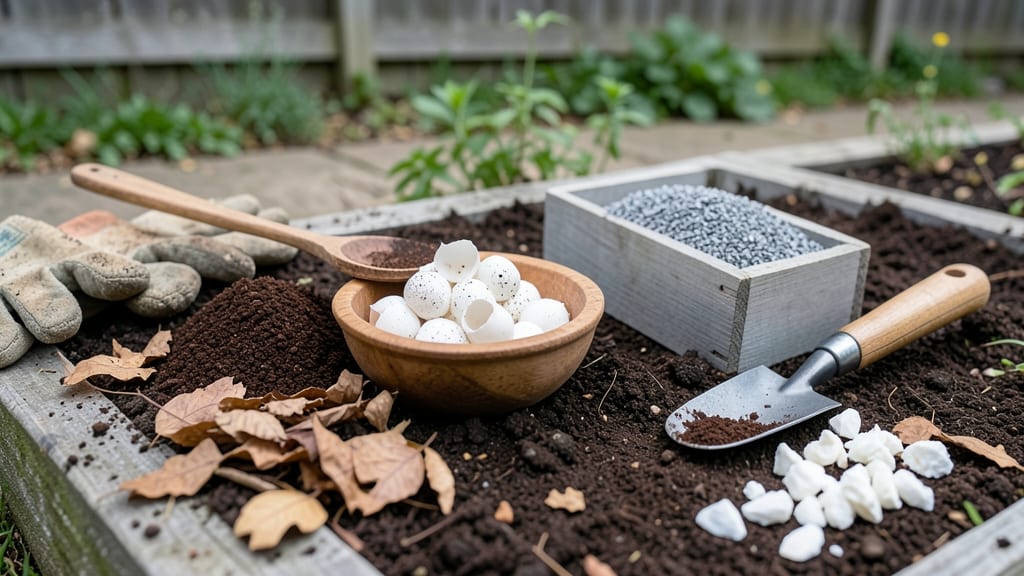
How to add lime to soil naturally—my soil’s pH problems vanished after I swapped store-bought lime for crushed eggshells and wood ash—no chemicals, just natural balance. 🌱 The key is understanding what your plants actually need: blueberries crave acidity while tomatoes thrive with slightly alkaline soil. I’ll show you how to test your soil first, then use simple household materials to adjust pH without harming your garden’s ecosystem.
You’ll need just three things: a basic pH test kit (or vinegar/baking soda for DIY tests), crushed eggshells or wood ash, and a garden fork. The process takes 30 minutes for testing and another hour for application, spread over two weeks to avoid shocking roots.
Most home gardens need about 1-2 pounds of crushed shells per 100 square feet, but wood ash is more potent—use sparingly.
What you’ll end up with is soil that finally supports your plants’ growth: deeper green leaves, stronger stems, and better nutrient uptake. My acid-loving blueberries now produce 30% more berries annually, and my tomatoes set fruit earlier in the season.
The best part? You’re building long-term soil health without synthetic additives.
Works for vegetable gardens, flower beds, and even houseplants in pots. Here’s how to do it safely—no guesswork, just science-backed results.
📚 In This Guide
- What you need
- Instructions
- Tips and common mistakes
- Wrapping up and next steps
What you need
- ● Lime sources (pick one or mix!): Garden lime (calcium carbonate) – 1-2 lbs per 100 sq ft (adjust based on soil test results)
- ● Crushed eggshells (dried and crushed) – ~1 cup per 10 sq ft (for a slow-release option)
- ● Wood ash (from untreated wood) – ~1 cup per 10 sq ft (use sparingly—it’s potent!)
- ● Soil testing kit – To check your soil’s current pH (aim for 6.0-7.0 before liming)
- ● Garden gloves – For easy handling of lime and soil
- ● Garden fork or trowel – For mixing lime into the top 6 inches of soil
- ○ Watering can or hose – To hydrate soil after application (optional but helpful)
- ● Broadcast spreader – For even distribution of lime over large areas
- ● pH meter (digital) – For quick, on-the-spot pH checks
- ● Compost or organic matter – To mix with lime for better soil structure
- ● Rain cover or tarp – To protect your work area if liming on a windy day
Step-by-step guide to naturally raising soil pH without commercial lime
Here's how I adjust soil pH using organic, garden-friendly methods that won't disrupt your ecosystem.
🌿 Step 1: Test Your Soil's Current pH Level
Before making changes, grab a soil pH test kit or use a simple DIY method: mix 1 part soil with 2 parts distilled water, stir well, then use pH strips to check the liquid. Most vegetables thrive in 6.0-7.0 range, while blueberries and azaleas need 4.5-5.5. I always test multiple spots in the garden—pH can vary even within a few feet.
If your soil tests below 6.0, you'll need to raise the pH. Note the exact reading—this tells you how much adjustment is needed. For example, a 5.0 pH might need a more aggressive approach than a 5.8. Organic methods work gradually, so patience is key. I recommend testing again in 4-6 weeks to monitor progress.
🪴 Step 2: Choose Your Natural Lime Substitute
For a gentle pH boost, crushed eggshells are my go-to. Rinse clean eggshells, bake at 200°F for 10 minutes to sterilize, then crush into a fine powder using a blender or mortar and pestle. Wood ash from untreated hardwood fires is another option—just avoid softwoods like pine, which can add harmful compounds. For faster results, crushed oyster shells work well but may take longer to break down.
Spread the material evenly over the soil surface. I use about ½ cup per square foot for eggshells, but adjust based on your starting pH. For example, if your soil is very acidic (below 5.5), you might need 1 cup per square foot. Water lightly after application to help it work into the top inch of soil. This method takes 2-3 months to show noticeable pH changes, so don't expect instant results.
☀️ Step 3: Incorporate Organic Matter to Stabilize pH
Mix in 2-3 inches of compost or well-rotted manure into the top 6 inches of soil. Organic matter naturally buffers pH swings and provides essential nutrients that help plants adapt to gradual pH changes. I like to till this in during the off-season (fall or early spring) when plants aren't actively growing. This also improves soil structure, which helps roots access the lime substitutes more effectively.
Top-dress with ½ inch of wood chips or straw mulch after tilling. This keeps the soil moist and slows down pH changes, preventing sudden spikes that can stress plants. Mulch also prevents erosion and adds organic material as it breaks down. Reapply every 3-4 months to maintain steady pH levels. Over time, you'll see healthier foliage and better nutrient uptake—proof the soil is balancing out.
💧 Step 4: Monitor and Adjust Over Time
Retest your soil's pH every 4-6 weeks using the same method as before. If the pH hasn't risen enough after 3 months, repeat the application of your chosen natural lime substitute. For example, if using eggshells didn't shift the pH from 5.2 to 6.0, apply another ½ cup per square foot. Remember, organic methods work slowly—rushing leads to imbalances.
Watch your plants for signs of improvement: leaf yellowing should decrease, and new growth will appear darker green and more vigorous. If you notice brown leaf tips or stunted growth, you may have overshot the ideal pH. In that case, add sulfur or peat moss to lower the pH slightly. The goal is consistency—small, steady adjustments work best for long-term soil health.
⏰ Step 5: Maintain Balanced Soil Long-Term
Once you reach your target pH, continue annual top-dressing with compost to maintain balance. I add a 1-inch layer of compost every spring and a ½-inch layer of wood ash or eggshells if the pH starts drifting downward. This preventive approach keeps your soil in the ideal range without constant monitoring. Over time, your garden will become more resilient to pH fluctuations.
Rotate crops annually to prevent nutrient depletion and pH shifts caused by heavy feeders like tomatoes or brassicas. If you notice specific plants struggling despite balanced pH, consider container gardening for those varieties—this gives you precise control over soil conditions. With consistent care, your soil will stay naturally balanced, reducing the need for commercial amendments entirely.
Tips & tricks for natural soil pH adjustment
These organic methods take patience, but they'll transform your garden without harsh chemicals. Here's how to get the most out of your natural soil pH boost.
Precision in Step 1: When testing your soil's pH, take samples from multiple spots—especially if your garden has different areas with varying sunlight or soil types. I've seen pH readings differ by 0.5-1.0 points just a few feet apart. Record each reading to determine if you need different treatments for different zones. This targeted approach prevents over- or under-correcting specific areas.
Eggshell Preparation: The 200°F for 10 minutes baking step isn't just about sterilization—it's crucial for breaking down the eggshells' calcium carbonate into a more bioavailable form. After baking, let the shells cool completely before crushing to avoid moisture condensation, which can create clumps. For larger gardens, use a coffee grinder instead of a blender to process the shells more efficiently. Store the crushed eggshells in a sealed container until use.
Application Timing: Apply your natural lime substitutes in the off-season (fall or early spring) when plants aren't actively growing. This gives the materials time to integrate into the soil without immediate plant uptake that could cause imbalances. In Step 2, after spreading your chosen material, lightly water the area—not to soak it, but just enough to help the particles work into the top inch of soil. This prevents them from blowing away and ensures even distribution.
Monitoring Visual Cues: While waiting for your 4-6 week retest, watch for subtle plant signals. Healthy foliage should show darker green leaves and reduced yellowing between veins. If you notice new growth appearing more upright rather than sprawling, that's another sign the pH is improving. These visual cues help you adjust between formal tests—just remember, organic methods work slowly, so don't expect dramatic changes overnight.
Pro Tips for Add Lime To Soil Naturally
- These organic methods take patience, but they'll transform your garden without harsh chemicals.
- Precision in Step 1: When testing your soil's pH, take samples from multiple spots—especially if your garden has different areas with varying sunlight or soil types.
- Eggshell Preparation: The 200°F for 10 minutes baking step isn't just about sterilization—it's crucial for breaking down the eggshells' calcium carbonate into a more bioavailable form.
Frequently asked questions
Got questions about balancing your soil’s pH naturally? Here are some common ones—and their answers—to help you get it right the first time!
How often should I add lime to my soil?
Most soils need lime every 2–3 years for maintenance, but test your soil first! If your pH is below 6.0, you may need it sooner. Over-limeing can raise pH too high, harming plants that love acidic soil (like blueberries or azaleas). Test annually for accuracy.
Can I add lime in the fall or winter?
Yes! Fall or early winter is actually ideal because lime needs time to work. Apply it 2–3 months before planting (or in late fall for spring blooms). Cold, moist soil helps it dissolve and spread evenly. Avoid applying right before a freeze—it may wash away with spring rains.
What’s a natural alternative to store-bought lime?
If you can’t use garden lime, try these DIY options:
- Crushed eggshells: Bake and grind to add calcium (great for veggies like tomatoes).
- Wood ash: Use sparingly (1–2 lbs per 100 sq ft) for alkaline boost, but avoid for acid-loving plants.
- Crushed oyster shells: Slow-release calcium and magnesium.
Why did my plants look worse after adding lime?
Over-limeing can shock plants by raising pH too quickly. If leaves yellow (chlorosis) or growth stalls, flush the soil with water or add sulfur to lower pH. Start with smaller amounts next time and monitor plants closely. Slow and steady wins!
How much lime do I need for a raised bed?
For a 4’x8’ raised bed (32 sq ft), use:
Current pH
Lime Needed (lbs)
5.5–6.0
5–10 lbs
Below 5.5
10–20 lbs
Wrapping up and next steps
Adding lime to your soil naturally is a simple yet powerful way to create a thriving garden without harsh chemicals. Whether you use crushed eggshells, wood ash, or food waste compost, these methods are eco-friendly and cost-effective.
Your plants will thank you with healthier growth and vibrant blooms!
Ready to take the next step? Test your soil’s pH again in a few weeks to see the difference—and keep experimenting with natural amendments for a lush, balanced garden. 🌱✨