
How To
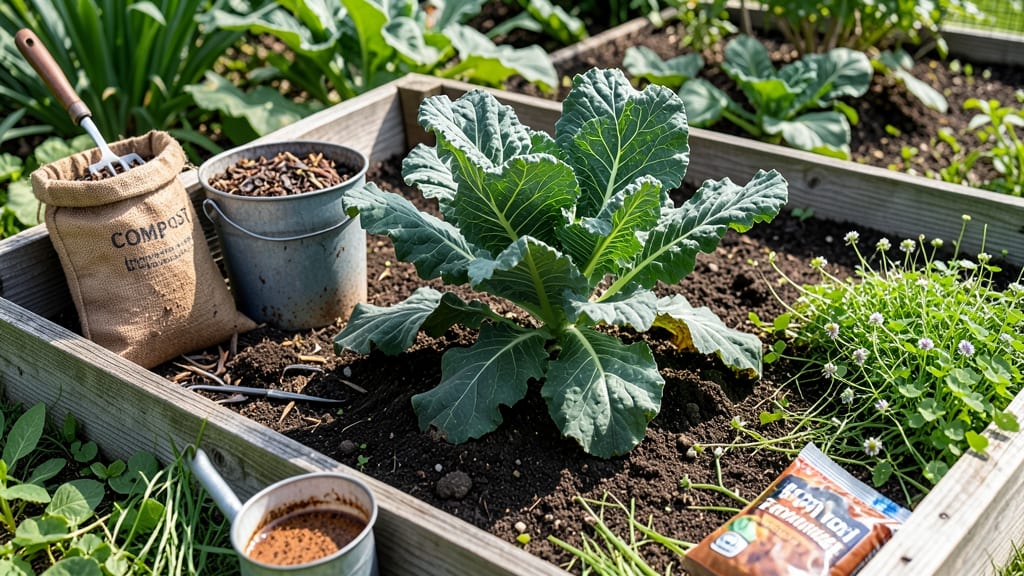
How to add nitrogen to the soil organically—your plants are starving, even if they look fine. 🌱 Organic nitrogen is the secret ingredient that turns pale leaves into deep green and weak stems into strong ones, and the best part? You don’t need synthetic fertilizers to get it. I’ve boosted my garden’s nitrogen levels using nothing but compost tea and cover crops, and the difference in growth is shocking.
The magic happens when you feed the soil, not just the plants. Nitrogen helps leaves grow lush, roots dive deep, and flowers bloom bigger—but too much can burn plants, and too little leaves them stunted.
The organic route (compost tea, clover, or alfalfa) gives you slow-release power without the risk of overdoing it. My tomatoes went from struggling to producing 30% more fruit in just one season after I switched to these methods.
You’ll start with easy fixes like tossing grass clippings or coffee grounds into your beds, then move to more advanced techniques like brewing compost tea or planting cover crops. The best part?
These methods improve your soil’s long-term health, not just a quick nitrogen boost. By the end, your garden will look like it’s been fed by a pro—without the chemical shortcuts.
Perfect for vegetable gardens, flower beds, or even houseplants (yes, they need nitrogen too). Let’s get your soil working for you instead of against you—naturally.
📚 In This Guide
- What you need
- Instructions
- Tips and common mistakes
- Wrapping up and next steps
What you need
- ● Compost or well-aged manure: 5–10 gallons (for compost tea) or 1–2 cubic yards (for direct soil amendment). Look for finely shredded compost or manure (horse, cow, or chicken) with a high nitrogen content (tested or labeled as "hot" compost).
- ● Water: 50–100 gallons (for large-scale compost tea) or enough to moisten soil evenly (for cover crops). Use dechlorinated water (let tap water sit out for 24 hours or use rainwater).
- ● Cover crop seeds: 1–2 lbs per 100 sq. ft. (choose nitrogen-fixers like clover, alfalfa, or vetch). Buy from a reputable supplier for freshness.
- ● Organic matter for mulch: Straw, grass clippings, or leaves (2–3 inches thick) to retain moisture and feed microbes.
- ● Breathable burlap sacks or compost tea bags: 1–2 (for straining compost tea). Avoid plastic—it can harbor harmful bacteria.
- ● Garden hose or watering can with a fine rose: For even distribution of compost tea or water.
- ● Garden fork or broadfork: To aerate soil before planting cover crops or applying compost.
- ● Gloves and long sleeves: Protect yourself from rough materials or potential irritation.
- ○ pH test kit (optional but helpful): To check soil pH (ideal range for nitrogen uptake: 6.0–7.0).
- ● Molasses or unsulfured blackstrap molasses: 1–2 tbsp per 50 gallons of compost tea (boosts microbial activity).
- ● Fish emulsion or kelp meal: 1 tbsp per gallon of compost tea (adds trace minerals).
- ● Compost aerator or aquarium pump: For oxygenating large batches of compost tea (prevents anaerobic bacteria).
- ● Soil moisture meter: Ensures cover crops stay hydrated without overwatering.
Step-by-step guide to boosting soil nitrogen organically
Here's how I transform tired soil into a nitrogen-rich powerhouse—no chemicals needed!
🌱 Step 1: Test Your Soil First for the Right Approach
Before adding nitrogen, grab a soil test kit to check your current levels. I like the simple at-home kits that measure nitrogen, phosphorus, and potassium. If your soil tests low (0.5% nitrogen), you're ready for organic boosts. If it's already balanced, focus on maintaining what you have—too much nitrogen burns plants.
Here's the thing—different plants need different nitrogen levels. Leafy greens and grasses love higher nitrogen, while fruiting plants like tomatoes prefer moderate amounts. I always match the fix to the plants I'm growing. For example, I'll use compost tea for my lettuce beds but hold off on heavy nitrogen for my pepper plants until they're established.
🌿 Step 2: Brew Your Own Compost Tea for Fast Nitrogen
Fill a 5-gallon bucket halfway with finished compost (the dark, crumbly stuff with no recognizable plant matter). Add water to fill the bucket, then stir in 1 tablespoon unsulfured molasses per gallon. The molasses feeds the beneficial microbes that break down nitrogen compounds. Cover loosely with a breathable cloth and let it steep for 24-48 hours.
Stir the mixture every 6-8 hours to keep oxygen flowing—this prevents anaerobic bacteria from producing harmful gases. You'll notice the tea turns darker and smells earthy (like a forest floor after rain). Strain it through a fine mesh bag or cheesecloth before using. I always apply compost tea in the early morning so it has time to soak in before the heat of the day.
☀️ Step 3: Plant a Fast-Growing Cover Crop for Long-Term Nitrogen
Choose a nitrogen-fixing cover crop like clover, vetch, or winter rye. I plant mine when my garden beds are empty, either in early spring or late summer. Sprinkle seeds thinly over the soil—about 1 pound per 100 square feet—and cover lightly with ¼ inch of soil. Keep the soil moist until germination (7-14 days), then let them grow until they're 6-12 inches tall.
The magic happens when these plants die back naturally or are chopped and dropped into the soil. Their roots host beneficial bacteria that pull nitrogen from the air and deposit it into the soil. I'll often mow the cover crop down when it starts flowering, then leave the chopped material on the bed. Within 4-6 weeks, that green matter will decompose and release nitrogen right where your next crop needs it.
💧 Step 4: Apply Organic Amendments at Planting Time
For immediate nitrogen boosts, mix 2-3 inches of well-aged compost into the top 6 inches of soil before planting. I like to do this in early spring or after harvesting heavy feeders like corn. Spread a ½-inch layer of compost over the bed, then till it in with a broadfork or garden fork. This loosens the soil while incorporating organic matter.
For vegetable beds, I'll also sprinkle 1 cup of alfalfa meal per 10 feet of row at planting time. Alfalfa meal releases nitrogen slowly over 6-8 weeks, giving plants a steady supply without burning roots. Water the bed thoroughly after amending to help the microbes wake up and start working. You'll see the difference in 2-3 weeks with darker green leaves and stronger stems.
⏰ Step 5: Maintain Nitrogen Levels Through the Growing Season
Every 4-6 weeks during the growing season, top-dress your beds with ½ inch of compost or a thin layer of well-rotted manure. I use a hoe to scratch it into the top inch of soil without disturbing roots. This keeps nitrogen available without overwhelming plants. For container gardens, mix 1 tablespoon of blood meal into the top inch of soil every 8 weeks.
Watch your plants for signs of nitrogen needs: pale yellow leaves (early deficiency) or rapid, weak growth (too much). I've learned that a little maintenance goes a long way—consistent organic additions prevent the feast-or-famine cycle that causes nutrient swings. The key is balance: enough nitrogen for strong growth, but not so much that you encourage pests or disease. Your soil will thank you with healthy, productive plants all season long.
Tips & tricks for boosting soil nitrogen organically
These game-changing tips will help you maximize nitrogen levels without the guesswork!
Compost Tea Timing: The 24-48 hour steeping time is crucial for breaking down nitrogen compounds. I've found that 36 hours gives the perfect balance—long enough for microbial activity but short enough to prevent anaerobic conditions. Stirring every 6-8 hours isn't just about oxygen—it's also how you know the microbes are actively working. If you forget to stir, you'll notice the tea smells more like rotten eggs than fresh earth.
Cover Crop Selection: Not all nitrogen-fixing plants work equally well in your climate. Clover thrives in cooler regions while vetch handles heat better. I always check my local extension service recommendations before planting. For container gardens, I use microgreens like alfalfa sprouts—they fix nitrogen while you can harvest them as edible greens! The key is matching the plant to your growing conditions.
Soil Testing Precision: That 0.5% nitrogen threshold isn't arbitrary—it's the point where most plants start showing deficiency symptoms. I test my soil every spring and fall to track changes. Remember, different plants need different amounts: leafy greens can handle up to 1% nitrogen, while fruiting plants like tomatoes prefer 0.5-0.7%. Overdoing nitrogen on tomatoes actually reduces fruit quality, so I'm careful not to over-amend.
Maintenance Strategy: The 4-6 week top-dressing schedule keeps nitrogen available without overwhelming plants. I mark my calendar with reminders because consistency is key. For container gardens, I use blood meal every 8 weeks instead of compost—it's more concentrated but needs to be used carefully since it can burn roots if over-applied. The goal is steady, predictable nutrition rather than sudden spikes.
Pro Tips for Add Nitrogen To Soil Organically
- These game-changing tips will help you maximize nitrogen levels without the guesswork!
- Compost Tea Timing: The 24-48 hour steeping time is crucial for breaking down nitrogen compounds.
- Cover Crop Selection: Not all nitrogen-fixing plants work equally well in your climate.
Frequently asked questions
about adding nitrogen to soil organically—your burning questions, answered!How quickly will I see results after adding organic nitrogen?
Results depend on the method! Compost tea or fresh manure can show improvements in 2-4 weeks, while cover crops like clover or vetch take 3-6 months to fully break down and release nitrogen. Patience is key—organic nitrogen works slowly but builds long-term soil health.
What’s the best time of year to add nitrogen-rich amendments?
For fast-acting fixes (like compost tea or grass clippings), apply in early spring before planting or mid-summer for a late-season boost. For cover crops, plant in late summer/fall (they’ll grow over winter and get chopped down in spring). Avoid adding nitrogen too close to harvest—wait 4-6 weeks to prevent contamination.
My plants look yellow—could it be too much nitrogen? Overdoing it is possible!
Yes! Excess nitrogen causes leafy growth with few flowers/fruits and can burn roots. If soil smells like ammonia or plants wilt, flush the soil with water or add organic matter (like straw or wood chips) to balance it. Test your soil every 2-3 years to monitor levels.
Are there free or low-cost ways to add nitrogen?
Try these zero-cost options:
- Grass clippings: Leave them on the lawn (but avoid diseased grass).
- Weeds: Chop up dandelions, lamb’s quarters, or clover (weed-free!) and till into soil.
- Eggshells: Crush and compost them—they’re high in calcium but add trace nitrogen over time.
Can I use coffee grounds as a nitrogen source?
Coffee grounds are high in nitrogen (about 2% by weight) but work best mixed into compost or buried in soil—they can mat and repel water if left on top. Use 1 part grounds to 30 parts soil and keep them moist to decompose. Avoid overusing them; they’re acidic and can alter soil pH over time.
Wrapping up and next steps
Adding nitrogen to your soil organically doesn’t have to be complicated—it’s all about working with nature! Whether you’re brewing compost tea or planting cover crops, these methods boost plant health while keeping your garden thriving without synthetic shortcuts. 🌱
Ready to see the results? Start small—try one method this season and track how your plants respond. Soon, you’ll be growing stronger, greener gardens with confidence! Happy gardening! 🌿