
Light Requirements
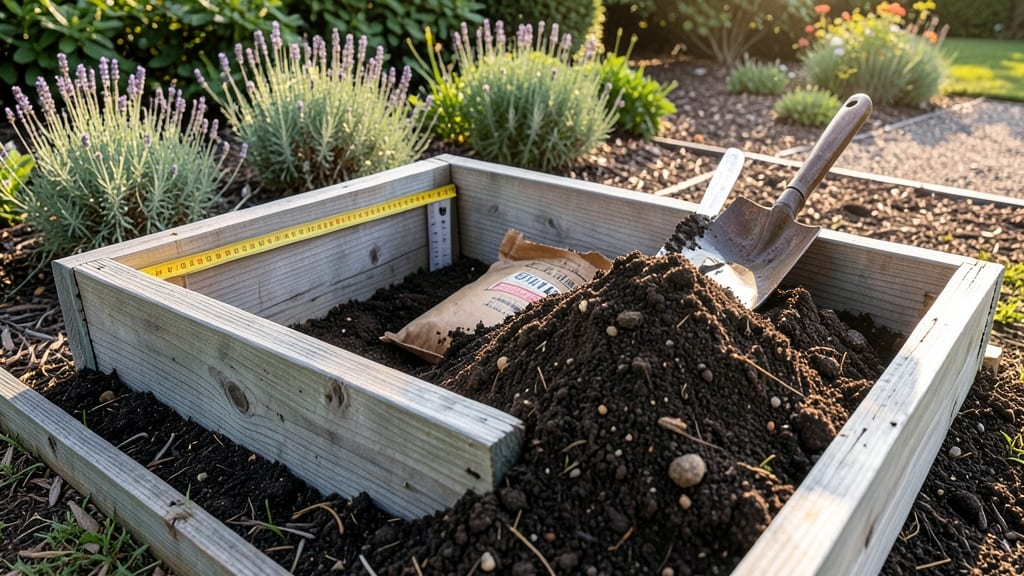
To determine how much soil for a 4x4 raised bed, calculate 3.3 cubic feet per inch of height—so a 12-inch-deep bed requires 39.6 cubic feet (about 1.5 cubic yards). Layer with 4-6 inches of compost, 4-6 inches of topsoil, and 2-4 inches of mulch or straw for healthy plant growth.
A 4x4 raised bed's soil volume depends on both depth and the specific soil mix you use. 🌱 The standard calculation assumes loose, aerated soil that settles over time, which is why many gardeners add extra 10-15% to their initial estimate.
For example, if you're planting vegetables that need deep roots like tomatoes, you might want to increase the compost layer to 6 inches to provide better nutrients and drainage. The layering technique isn't just about volume—it's about creating the perfect environment for your plants, balancing moisture retention with proper aeration.
One common mistake is using only topsoil, which can compact over time and reduce root growth. 💫 Mixing in compost and organic matter not only improves fertility but also helps the soil retain moisture while allowing excess water to drain.
I always recommend testing your soil's pH before planting—especially if you're growing acid-loving plants like blueberries or vegetables that prefer neutral soil like tomatoes. This simple step can make the difference between a thriving garden and one that struggles to grow.
💡 In This Article
- Calculating Soil Volume for Different Raised Bed Heights
- Best Soil Mix and Layering Techniques for 4x4 Raised Beds
Calculating soil volume for different raised bed heights
The volume calculation for your raised bed starts with simple geometry: multiply the length, width, and depth in feet. For a 4x4 bed, that's 4 feet × 4 feet × (depth in feet).
Since most raised beds have internal frames that reduce usable space, subtract 1-2 inches from each side (depending on frame thickness) before measuring depth. For example, a bed framed with 6-inch tall lumber actually has 4.5 feet of usable internal height.
Here's why depth matters: most plants need 12-18 inches of soil for optimal root growth, but shallow beds (6 inches) work for shallow-rooted plants like lettuce or strawberries. 🌱 The 3.3 cubic feet per inch rule comes from multiplying 4×4×(1/12) = 1.33 cubic feet per inch, then adding 25% extra for settling.
For a 12-inch bed, that's 39.6 cubic feet (1.5 cubic yards), but if you're using heavy clay soil, you might need 10-15% more due to compaction.
Converting to cubic yards is simple: divide cubic feet by 27 (since 1 cubic yard = 27 cubic feet). For our 39.6 cubic feet example, that's 1.47 cubic yards.
Most garden centers sell soil in 0.5 or 1 cubic yard bags, so you'd need 3 bags for a 12-inch bed. Pro tip: buy one extra bag—soil always settles more than expected, especially in the first 2-3 weeks after filling.
Drainage is another critical factor. If your bed sits on hard clay or has poor drainage, increase the depth by 2-4 inches to prevent waterlogging. 💫 For example, a 14-inch deep bed would need 46.2 cubic feet of soil (1.71 cubic yards).
The extra space allows roots to access deeper moisture while preventing soggy conditions that stunt growth. This is particularly important for heavy feeders like tomatoes or peppers, which need consistent moisture but hate "wet feet."
For custom heights, use this quick formula:
- Cubic feet = length (ft) × width (ft) × depth (ft)
- Add 25% for settling = × 1.25
- Convert to cubic yards = ÷ 27
One final consideration: soil type affects volume. Loose, organic mixes (like compost-heavy blends) settle more than dense topsoil. If you're mixing 50% compost, expect 30-40% more settling than with straight topsoil. This is why many gardeners use the "lasagna method"—layering materials that compact differently to maintain structure over time.