
Light Requirements
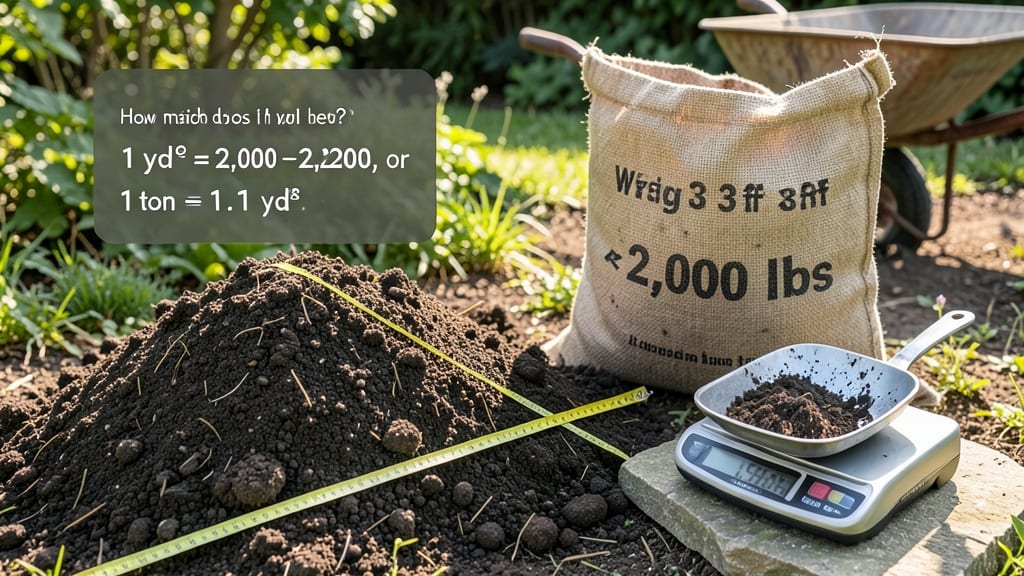
To determine how much 1 yard of topsoil weighs, expect 2,000 to 2,400 pounds when completely dry, though saturated soil can reach 2,700+ pounds—always verify with suppliers, as moisture levels, organic content, and compaction dramatically alter the actual weight.
Understanding topsoil weight is all about moisture—water alone can add 300+ pounds to that cubic yard. 💧 For example, a freshly delivered load might feel lighter when dry but double in weight after a rainstorm.
I always recommend testing soil density yourself: fill a 5-gallon bucket with topsoil, weigh it, then multiply by 27 (cubic feet in a yard) to estimate your project's needs accurately. This simple method saves headaches during heavy lifting!
Another key factor is organic matter—soil rich in compost or decomposed leaves weighs less than dense, mineral-heavy topsoil. 🌱 If you're planning a large garden, ask your supplier for a moisture-adjusted weight guarantee.
Most reputable companies provide this information upfront, especially for projects requiring precise calculations like raised beds or erosion control. The difference between 2,000 and 2,700 pounds might seem small until you're hauling it yourself!
💡 In This Article
- Factors Affecting Topsoil Weight per Cubic Yard
- Practical Topsoil Weight Estimates for Gardening Projects
Factors affecting topsoil weight per cubic yard
Moisture content is the single biggest variable in topsoil weight. Dry topsoil typically weighs between 2,000 to 2,400 pounds per cubic yard, but when saturated with water—like after heavy rain or irrigation—it can swell to 2,700+ pounds.
This happens because water fills the pores between soil particles, increasing overall density. For perspective, a cubic yard of water alone weighs 1,700 pounds, so even 30% moisture can add 500+ pounds to your load. 💧
The organic matter content also plays a critical role. Soil rich in decomposed leaves, compost, or peat weighs significantly less than mineral-heavy topsoil because organic materials have lower bulk density.
For example, pure sand weighs about 2,600 pounds per cubic yard, while peat moss can weigh as little as 1,200 pounds. Most garden topsoil blends fall somewhere in between, typically around 2,200 pounds when balanced with 10-20% organic material.
This variance explains why suppliers often provide weight ranges rather than fixed numbers.
Compaction further complicates weight calculations. Loose, freshly tilled topsoil weighs less than heavily compacted soil because air pockets reduce density. For instance, a 12-inch-deep layer of loose topsoil might weigh 1,800 pounds, but when compacted—like in a heavily walked garden path—it could reach 2,500 pounds.
This is why professional landscapers always specify whether their weight estimates assume loose or compacted soil. 🌱
Regional soil composition adds another layer of complexity. Sandy soils, common in coastal areas, weigh more per cubic yard due to their higher mineral content, while clay-heavy soils retain moisture longer, increasing weight fluctuations.
For example, topsoil in Florida’s sandy regions might consistently weigh 2,300 pounds, while clay-rich soil in the Midwest could vary between 2,100 and 2,800 pounds depending on seasonal moisture. Always check local supplier data or conduct your own density tests for accuracy.
Temperature also influences weight indirectly. Colder climates often result in drier, heavier topsoil during winter months, while summer heat can dry out soil, reducing weight. This seasonal shift is why some suppliers adjust their weight guarantees based on delivery timing.
For precise projects, like constructing raised beds, accounting for these factors can mean the difference between a manageable load and an unworkable one. ✨