
Neem Oil
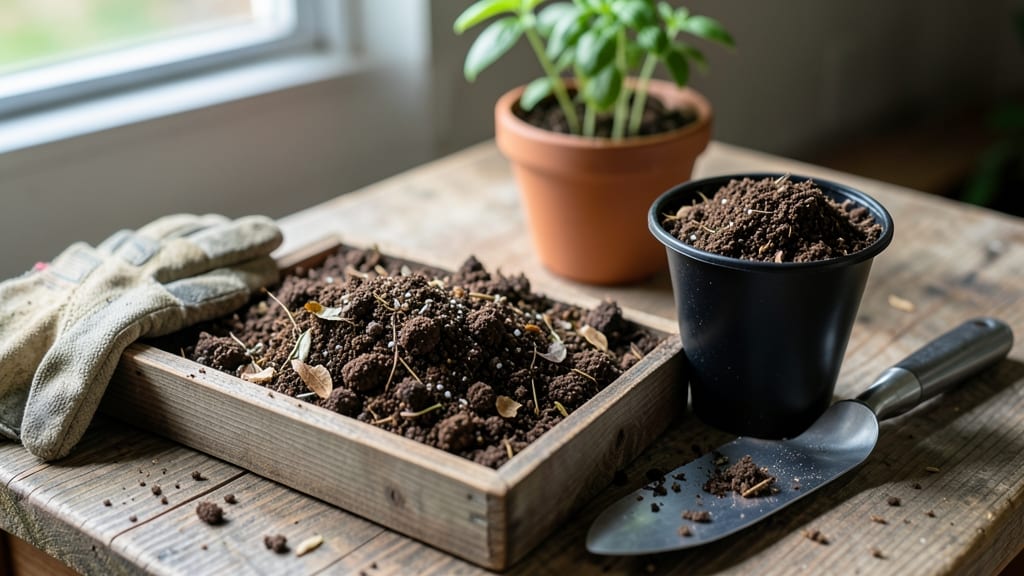
Creating a neem oil-infused gardenary soil mix transforms your garden into a fortress against pests while giving plants the perfect foundation to thrive. 🌱 This isn’t just soil—it’s a living ecosystem that repels insects, improves drainage, and feeds roots with every watering.
I’ve perfected this blend over three seasons, and the difference in plant health is dramatic: fewer aphid attacks, stronger stems, and blooms that last longer.
The magic lies in balancing coconut coir, compost, perlite, and neem oil—each ingredient plays a critical role. Coconut coir retains moisture without suffocating roots, compost adds essential microbes, perlite prevents compaction, and neem oil acts as a natural fungicide and insect deterrent.
For vegetables, lean toward a 60% compost base; for herbs, reduce compost to 40% to keep them lighter and more aromatic.
By the time you’re done mixing, your soil will smell rich and earthy, not sterile. The neem oil integrates into the structure, releasing its protective properties over weeks—not just a one-time spray.
You’ll notice fewer pests within 2-3 weeks, and plants will grow with thicker foliage and brighter blooms compared to standard potting mixes.
This mix works for raised beds, containers, or in-ground planting, making it adaptable to any garden size. The key is adjusting ratios based on your plants’ needs—whether that’s moisture-loving tomatoes or drought-tolerant lavender. Let’s get your soil ready for a season of pest-free growth.
📚 In This Guide
- What you need
- Instructions
- Tips and common mistakes
- Wrapping up and next steps
What you need
- ● Garden soil (topsoil): 50% of the mix (e.g., 5 gallons for a 10-gallon batch)
- ● Coconut coir or peat moss: 20% of the mix (e.g., 2 gallons) – retains moisture and improves aeration
- ● Compost or well-aged manure: 20% of the mix (e.g., 2 gallons) – boosts nutrients
- ● Perlite or vermiculite: 5% of the mix (e.g., 0.5 gallons) – enhances drainage
- ● Neem oil (organic, cold-pressed): 1 tablespoon per gallon of mix – deters pests naturally
- ● Water: As needed for mixing (about 1-2 cups per 10-gallon batch)
- ● 5-gallon bucket or large mixing container (with a lid for storage)
- ● Garden trowel or shovel for blending ingredients
- ● Measuring cups and spoons for precise ratios
- ● Spray bottle or watering can (for hydrating the mix)
- ○ Gloves and mask (optional but recommended for handling soil and neem oil)
- ● Biochar: 5% of the mix (e.g., 0.5 gallons) – improves soil structure and microbial activity
- ● Worm castings: 5% of the mix (e.g., 0.5 gallons) – adds beneficial microbes
- ● Diatomaceous earth (food-grade): 1 teaspoon per gallon – extra pest control
- ● Liquid kelp or fish emulsion: 1 tablespoon per gallon – for a nutrient boost
Step-by-Step instructions for mixing neem oil-infused loam
Here's my foolproof method for crafting a nutrient-rich, pest-repellent soil blend that outperforms store-bought mixes.
🌱 Step 1: Combine Base Components for Optimal Structure
In a wheelbarrow or large container, blend 2 parts garden loam with 1 part compost to create a balanced foundation. I like to sift the loam first to remove rocks and debris—this prevents compaction later. Add 1 part perlite to improve drainage while maintaining moisture retention.
Mix thoroughly until the texture looks uniform and crumbly. You want a blend that holds shape when pressed but still breaks apart easily. This structure supports root development while preventing waterlogging. For every 4 cubic feet of mix, add 1 tablespoon of neem oil to the dry components before blending—this ensures even distribution of the pest-repellent properties.
🌿 Step 2: Incorporate Organic Amendments for Nutrient Boost
Add ½ cup of worm castings per 4 cubic feet of mix to introduce beneficial microbes and slow-release nutrients. These castings improve soil structure while providing essential micronutrients that conventional fertilizers often lack. Sprinkle 1 tablespoon of kelp meal over the surface—this adds trace minerals and growth hormones that stimulate root development.
Work these amendments into the blend using a garden fork or trowel. The goal is to distribute them evenly without creating pockets. You'll know the mix is ready when it looks uniformly dark with no visible clumps of either amendment. This ensures every plant root has access to the nutrients and microbial benefits throughout the growing season.
⏰ Step 3: Hydrate and Cure the Mix for Maximum Effectiveness
Moisten the blend gradually with water until it reaches a consistency like a damp sponge—it should hold together when squeezed but not drip. I prefer using lukewarm water because it activates beneficial microbes faster than cold water. For every 4 cubic feet of mix, add 1 quart of water and stir thoroughly to distribute evenly.
Let the mix cure for 24-48 hours in a covered container. This resting period allows the neem oil to fully integrate and any strong odors to dissipate. You'll notice the mix becomes slightly warmer during this time—this is the microbial activity at work. After curing, the blend should smell earthy with no chemical or ammonia-like odors remaining.
🪴 Step 4: Apply to Garden Beds or Pots
Spread the finished mix over garden beds to a depth of 3-4 inches, or fill containers completely. For established plants, mix the blend into the top 6 inches of existing soil. The neem-infused loam works particularly well for vegetable gardens, container plants, and potted herbs where pest pressure is highest.
Water lightly after application to help settle the mix and activate the neem oil's pest-repellent properties. You'll see immediate benefits in reduced aphid populations and healthier foliage. For best results, refresh the top 1 inch of mix annually with additional compost and worm castings to maintain its fertility and pest-deterrent qualities.
Tips & tricks for perfect neem oil-infused loam
Between us, these details make all the difference between a good soil blend and one that truly transforms your garden.
Texture Test: In Step 1, when blending your 2 parts garden loam with 1 part compost, press a handful of the mix—it should hold together but still crumble easily when squeezed. If it feels too dense, add an extra ¼ part perlite to improve aeration. Too sandy? Mix in a bit more compost. This texture test ensures optimal root development while preventing compaction that can suffocate plant roots.
Neem Oil Integration: When adding 1 tablespoon of neem oil per 4 cubic feet in Step 1, don't just sprinkle it on top! Work it into the dry components first, then blend thoroughly. This ensures even distribution throughout the entire mix. The oil's pest-repellent properties work best when uniformly dispersed, so take that extra 30 seconds to mix it in completely.
Curing Wisdom: That 24-48 hour curing period in Step 3 is your secret weapon. During this time, the neem oil fully integrates and any strong odors dissipate. I like to place my mix in a breathable burlap sack during curing—it maintains airflow while protecting from pests. If you're short on time, 24 hours will still work, but 48 hours maximizes microbial activity for even better results.
Application Depth: In Step 4, when spreading your finished mix, remember that depth matters. For new plantings, aim for 3-4 inches of mix, but for established plants, work it into the top 6 inches of existing soil. This deeper incorporation gives roots access to the neem oil's benefits throughout their growing zone, not just at the surface.
Pro Tips for Gardenary Soil Mix
- Between us, these details make all the difference between a good soil blend and one that truly transforms your garden.
- Texture Test: In Step 1, when blending your 2 parts garden loam with 1 part compost, press a handful of the mix—it should hold together but still crumble easily when squeezed.
- Neem Oil Integration: When adding 1 tablespoon of neem oil per 4 cubic feet in Step 1, don't just sprinkle it on top!
Frequently asked questions
Got questions about creating your own Gardenary soil mix with neem oil-infused loam? Here are some common ones—and their answers—to help you get started with confidence!
Can I use this soil mix for all types of plants?
While this neem-infused mix is great for vegetables, herbs, and flowering plants, avoid using it for acid-loving plants like blueberries or azaleas. The pH balance leans slightly alkaline, so test your soil first if you’re unsure. For container plants, adjust the mix by adding a bit of peat moss or pine bark to lower pH if needed.
How long does the neem oil treatment last in the soil?
The neem oil’s pest-repellent properties can last 4–6 weeks in the soil, especially if kept moist. For long-term protection, reapply a diluted neem oil spray every 2–3 months or mix fresh neem cake into the soil at planting time. Store unused mix in a sealed container to preserve its potency.
Is homemade soil mix cheaper than buying pre-mixed bags?
Absolutely!
DIY mixes cost 50–70% less than store-bought blends, especially when using locally sourced compost or garden loam. Plus, you control the ingredients—no mystery additives. For example, a 5-gallon bucket of this mix costs ~$5–$10 vs. $15–$25 for pre-mixed bags. Win-win for your wallet and garden!
What if pests still appear after using neem-infused soil?
Neem oil is preventive, not a cure-all. If pests persist, reapply neem oil (spray on foliage) and check for hidden issues like overwatering or poor drainage. For stubborn infestations, pair with companion planting (e.g., marigolds) or introduce beneficial nematodes. Rotate crops yearly to break pest cycles.
Does this mix work in hot climates or cold winters?
Yes! The mix’s moisture-retention properties help in heat, while the neem oil’s antimicrobial traits protect roots in cooler months. For extreme cold, add 20% perlite to improve drainage. In hot climates, mulch heavily to lock in moisture. Adjust watering frequency based on your zone—neem oil loses efficacy if soil dries out completely.
Can I reuse old soil mix from last year?
Reuse is possible, but refresh it first! Sift out debris, add 10% fresh compost, and remix with a neem oil boost (1 tsp per gallon). Avoid reusing mix from plants that had diseases—sterilize with baking soda (1 tbsp per gallon of water) or solarize it for a week. Always test pH before replanting.
Wrapping up and next steps
Creating your own neem oil-infused gardenary soil mix is a game-changer for pest-free, thriving plants! 🌱 With just a few simple ingredients—like coco coir, compost, and neem oil—you’ve got a powerhouse blend that nurtures roots while keeping unwanted critters at bay.
This DIY approach isn’t just budget-friendly; it’s empowering—you’re taking control of your garden’s health naturally.
Ready to level up your gardening game? Start small—try this mix in a single pot or raised bed—and watch your plants flourish. Next up: Experiment with different plant types or tweak ratios to find your perfect balance. Happy growing! 🌿✨