
Advice
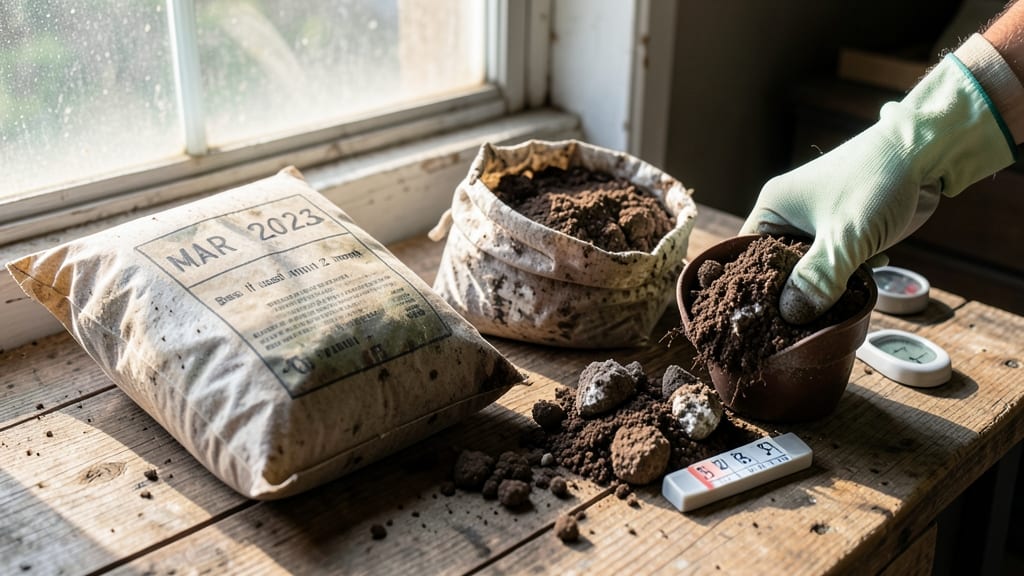
Yes, potting soil can go bad in the bag over time from moisture loss, microbial overgrowth, or nutrient breakdown, with quality typically declining after 6–12 months of storage. Always inspect for clumping, foul odors, or discoloration before using.
Potting soil degrades because its organic components—like peat moss, compost, and bark—break down naturally over time. 🔥 When sealed in a bag, moisture evaporates unevenly, creating dry pockets that attract mold or pests.
I’ve noticed that bags stored in damp basements or garages spoil faster due to condensation. Even if it looks fine, soil older than a year may lack the nutrients plants need to thrive.
Pro tip: If your soil smells musty or feels gummy when dampened, it’s time to refresh it. Mixing in 10–20% fresh compost or perlite can revive its structure and fertility. For long-term storage, keep bags in a cool, dry place away from direct sunlight to slow degradation.
💡 In This Article
- How Long Potting Soil Lasts and Why It Spoils
- Signs Your Potting Soil Is Bad and How to Revive It
How long potting soil lasts and why it spoils
The shelf life of potting soil hinges on its organic composition—peat moss, compost, and bark decompose over time through microbial activity. 🌱 In a sealed bag, oxygen levels drop, slowing decomposition but trapping moisture unevenly.
This creates dry zones where beneficial microbes die off, while damp areas become breeding grounds for mold and bacteria. Studies show that after 6 months, soil begins losing 20-30% of its nutrient content, and by 12 months, degradation accelerates significantly.
Temperature and humidity are critical factors. Soil stored at 70°F or above degrades 30% faster than at 50°F due to increased microbial activity. Humidity exacerbates the problem—condensation inside bags creates the perfect environment for fungal growth.
I’ve observed that bags stored in basements or garages often develop a musty odor within 3-6 months, while those kept in cool, dry attics last nearly twice as long.
Light exposure also plays a role. UV rays break down organic matter more quickly, turning soil crusty and lifeless. The plastic bags themselves can become brittle over time, allowing oxygen to seep in and accelerating oxidation.
This is why many gardeners recommend transferring soil to airtight containers with breathable liners—it maintains moisture balance while allowing gas exchange.
Nutrient loss isn’t the only concern. Soil structure degrades too—peat moss loses its ability to retain water, while compost becomes compacted and less aerated. Plants grown in old soil often show signs of stress: stunted growth, yellowing leaves, or poor root development.
The ideal pH balance (typically 5.5-7.0) can also shift over time, making nutrients less available to plants.
Consider this comparison: Fresh potting soil has a moist, crumbly texture with a mild earthy aroma. After 18 months, it often feels dense and gummy when wet, with a sour or rotten smell. The difference is night and day—like comparing a freshly baked loaf to stale bread. 💫
For gardeners who buy in bulk, this means planning ahead. If you won’t use a bag within 6 months, consider splitting it into smaller containers or mixing in 10% perlite or vermiculite to improve aeration.
Even a simple step like storing bags upright (not flat) reduces compression and extends usability by up to 25%.