
Container Gardens
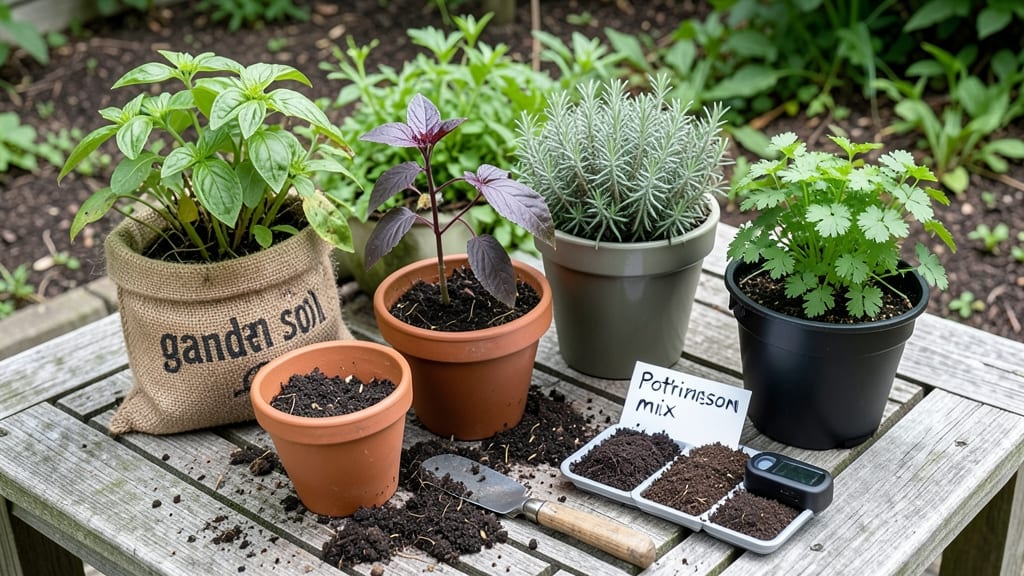
You can use raised bed soil in pots, but it needs modifications to prevent compaction and improve drainage. Mix it with perlite, compost, or potting mix to create a lighter, more breathable growing medium for container plants.
Raised bed soil works best in-ground because it's designed for loose, well-drained conditions—but containers create different challenges. 🌱 The confined space causes soil to pack down tightly, cutting off oxygen to roots and trapping excess moisture.
I've found that adding 20-30% perlite or vermiculite by volume opens up the mix while maintaining moisture retention. For heavy clay soils, consider blending in coconut coir or peat moss to improve structure and prevent waterlogging.
Another key adjustment is nutrient balance. Raised bed soil often contains decomposed organic matter that breaks down quickly in pots, leaving plants hungry. Boosting with compost or worm castings provides slow-release fertility.
I recommend testing your soil first—container plants thrive in mixes with a pH between 6.0 and 7.0, while raised bed soil might need lime or sulfur to adjust. For herbs like basil or vegetables such as tomatoes, this tweak makes all the difference in growth vigor.
💡 In This Article
- Why Raised Bed Soil Needs Modifications for Potted Plants
- How to Repurpose Raised Bed Soil for Container Gardening
Why raised bed soil needs modifications for potted plants
Raised bed soil is engineered for loose, well-aerated conditions where roots can spread freely—but pots create a completely different environment. The key difference lies in particle size distribution.
Raised bed mixes typically contain 30-50% organic matter (like compost or aged wood chips) that breaks down over time, creating air pockets. In containers, this same soil compresses under its own weight, reducing pore space by up to 40%—which suffocates roots and prevents proper oxygen flow. 🌱
This compaction issue stems from how soil behaves under pressure. In-ground soil has natural layers and root channels that allow water to drain vertically, but pots force water to pool at the bottom.
Raised bed soil often retains 20-30% more moisture than ideal potting mixes, creating anaerobic zones where roots rot. The texture also becomes gummy when wet, clinging to container walls and preventing proper drainage.
For example, a 5-gallon pot filled with unamended raised bed soil might stay soggy for days after watering, while a properly amended mix drains within 15-20 minutes.
Nutrient availability shifts dramatically too. Raised bed soil releases nutrients gradually through microbial activity in the soil food web, but container plants deplete these reserves 3-5 times faster due to limited volume.
The organic matter in raised bed mixes breaks down quickly in confined spaces, leaving plants nutrient-deficient after just 4-6 weeks.
This is why many gardeners notice stunted growth or yellowing leaves when using unmodified raised bed soil in pots—it's not just about drainage, but also about the soil's ability to sustain plants long-term.
Another critical factor is root oxygenation. Healthy roots need constant access to oxygen, which moves through soil pores. In compacted raised bed soil, these pores collapse, reducing oxygen levels by 50% or more.
This creates an ideal environment for harmful pathogens like Pythium or Phytophthora, which thrive in waterlogged, oxygen-poor conditions. The result? Root rot that can kill container plants in as little as 7-10 days if left unchecked. 💫
To visualize the difference, imagine pouring water into two glasses: one with loose, sandy soil (like a good potting mix) and one with tightly packed clay-heavy raised bed soil. The sandy mix drains freely, while the compacted soil holds water like a sponge.
This same principle applies to your containers—without amendments, raised bed soil behaves more like the waterlogged sponge than the ideal growing medium. The solution lies in restructuring the soil's physical properties to mimic its natural in-ground performance.
For container-specific needs, consider that most potted plants require a mix that's 30-40% lighter than raised bed soil. This lighter weight prevents soil from pressing against container walls and allows roots to explore the entire growing volume.
The goal isn't just to improve drainage, but to create a soil structure that maintains 20-30% air porosity—the sweet spot for root health in confined spaces. This adjustment makes all the difference between thriving container plants and those struggling to survive.