
Neem Oil
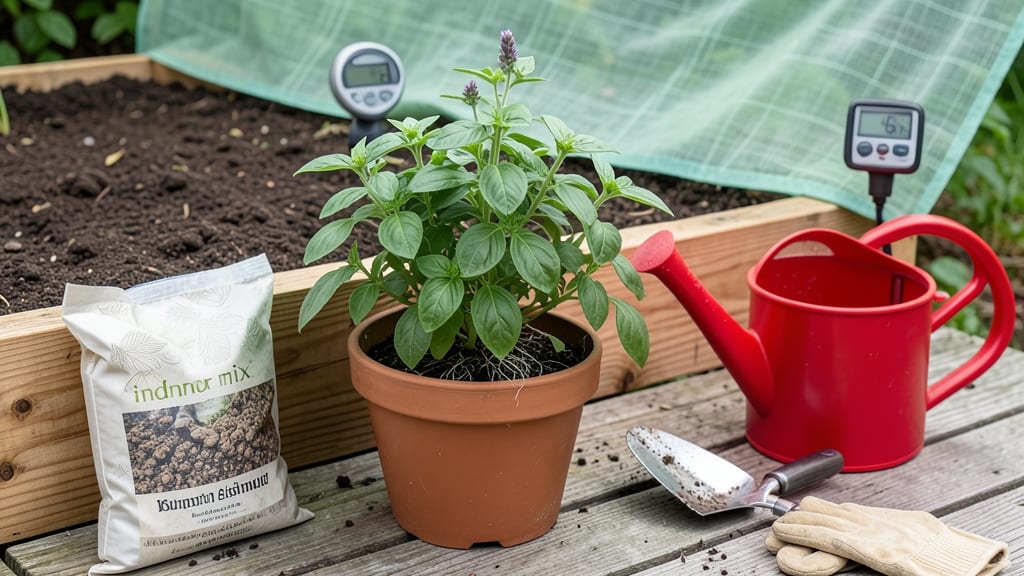
You shouldn't use indoor potting soil outside because it lacks proper drainage, contains synthetic fertilizers that can burn plants, and compacts poorly in garden beds. Instead, use native soil or outdoor-specific blends designed for long-term plant health.
Indoor potting soil is formulated for containers with controlled watering and nutrient needs, while outdoor gardens require soil that drains efficiently and supports diverse microbial life. 🌱 The high organic matter in potting mixes retains too much moisture, leading to root rot, and lacks the mineral diversity outdoor plants need.
For example, vegetable gardens thrive best in loamy soil with 5-10% organic matter, while potting soil often contains 50-70%. I recommend testing your native soil first—most benefits from a mix of compost and sand to improve structure before planting.
For container gardens, you can occasionally use potting soil if amended with perlite or vermiculite to improve aeration, but even then, it's not ideal for in-ground planting.
The key difference lies in nutrient availability: outdoor plants develop deep root systems needing consistent mineral access, while potted plants rely on frequent feeding. Always check the label—many potting soils contain slow-release fertilizers that can overfeed outdoor plants, causing leaf burn.
💡 In This Article
- Why Indoor Potting Soil Fails in Outdoor Gardens
- Best Outdoor Soil Alternatives for Healthy Gardens
Why indoor potting soil fails in outdoor gardens
Indoor potting soil is engineered for containers where water drains quickly from the bottom, but outdoor gardens need soil that releases moisture gradually while preventing compaction. The high organic matter—often 50-70% in potting mixes—retains water like a sponge, creating anaerobic conditions that suffocate roots.
For comparison, ideal garden soil typically contains only 5-10% organic matter to balance moisture and air flow. This mismatch leads to root rot in plants like tomatoes or peppers, which require well-draining conditions to thrive.
The microbial ecosystem in potting soil is also imbalanced for outdoor use. Indoor mixes rely on synthetic fertilizers and mycorrhizal fungi optimized for container growth, while outdoor plants depend on diverse soil bacteria and fungi that break down organic material over time.
Without this diversity, nutrients become locked away, starving plants of essential minerals like potassium and phosphorus. For example, a vegetable garden amended with potting soil might show stunted growth because the soil lacks the natural microbial networks that recycle nutrients in native ecosystems.
Synthetic additives in potting soil pose another risk. Many brands include slow-release fertilizers like urea or sulfur-coated urea, which can overload outdoor plants with nitrogen, causing leaf burn or excessive foliage growth at the expense of fruit production.
The high salt content from these fertilizers also disrupts soil structure, making it harder for roots to penetrate. Unlike potted plants that get frequent watering to flush out excess salts, outdoor plants in amended soil may suffer long-term damage from accumulated residues.
Texture plays a critical role too. Potting soil is designed to stay loose in containers, but when tilled into garden beds, it compacts over time, reducing aeration by up to 30%. This compaction restricts root expansion and increases water runoff, leaving plants vulnerable to drought stress.
Even amending with perlite or sand won't fully compensate for the fundamental differences in particle size and organic matter distribution between potting and garden soil.
Consider the case of a raised bed garden: while potting soil might seem convenient, its lack of mineral diversity can lead to deficiencies like iron chlorosis (yellowing leaves) in plants that need micronutrients.
Outdoor plants develop deep root systems requiring consistent access to minerals like calcium and magnesium, which are often absent in potting mixes formulated for short-term container growth. 🌱 The result? Plants that look healthy above ground but struggle to establish strong root networks below.