
Neem Oil
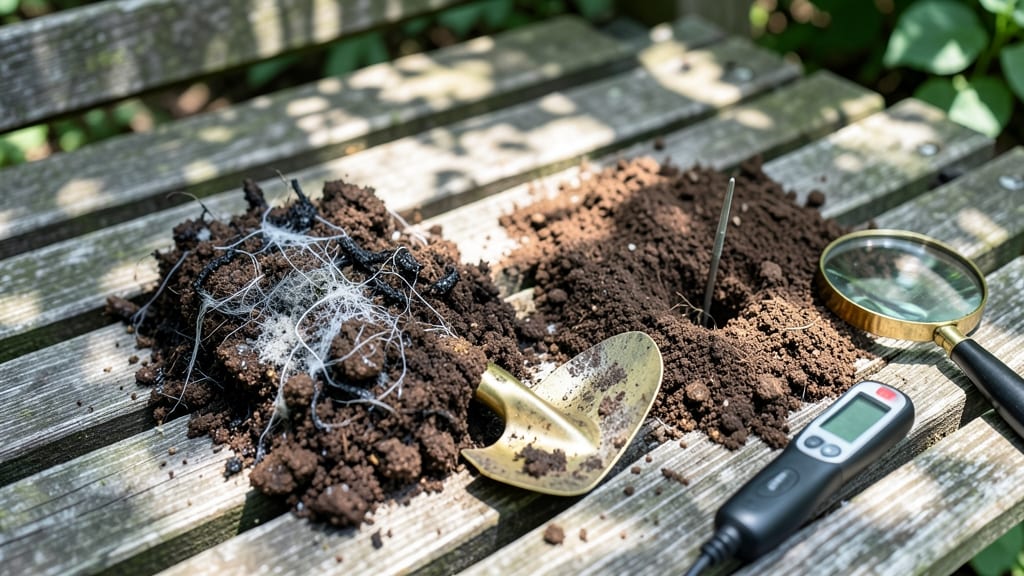
That brown soil fungus creeping through your garden beds isn’t just ugly—it’s silently starving your plants. 🌱 I’ve battled it in my own raised beds, and the first sign (a musty smell mixed with that telltale brown crust) sent me scrambling for solutions.
The good news? Neem oil isn’t just a remedy—it’s a game-changer for restoring soil health without harsh chemicals.
Overwatering, poor drainage, and too much organic matter left to rot create the perfect breeding ground for this fungus. My soil turned from dark, crumbly earth into something that looked like wet cardboard—until I adjusted my watering schedule and mixed in compost and sand to improve aeration.
The key is balancing moisture and airflow, because fungus thrives where roots can’t breathe.
Neem oil works in two ways: it smothers existing fungus spores and prevents new ones from taking hold.
A 1% solution (1 tablespoon per gallon of water) sprayed directly on the soil surface cuts down on the brown crust within 2-3 weeks, while also strengthening plant roots to resist future infections. The best part? Your soil will start smelling fresh again—like healthy earth, not a damp basement.
For stubborn cases, combine neem oil with hydrogen peroxide (3%) for a stronger fungal kill, but only if your plants aren’t actively growing.
And if the problem keeps coming back after you’ve adjusted watering and added amendments, it might be time to test your soil pH—sometimes the real issue is hidden in the numbers. Healthy roots start with healthy soil, and this method delivers both.
Root Causes Of Soil Discoloration
If you’ve noticed patches of dark, brown soil fungus creeping into your garden beds or potted plants, it’s not just an eyesore—it’s a sign your soil’s health is under attack.
Understanding the why behind this issue is the first step to fixing it. Below, we break down the most common causes, backed by science, so you can take targeted action.
Fungi thrive in damp, oxygen-deprived environments. When soil stays soggy for extended periods—whether from overwatering, heavy clay, or poor drainage—mycelial networks (the fungal "roots") expand rapidly, turning soil brown or black.
This is especially true for water-loving fungi like Pythium or Phytophthora, which cause root rot and damping-off in seedlings.
Why it happens:
- 💧 Overwatering: Plants need moisture, but excess water displaces oxygen in soil pores, creating the perfect anaerobic (low-oxygen) zone for fungi.
- 🏗️ Compacted or clay-heavy soil: These soils repel water, preventing drainage and trapping moisture at the roots.
- 🌧️ Poor garden layout: Low spots or lack of slopes can pool water, turning soil into a fungal buffet.
Actionable fix: Test your soil’s drainage by digging a 6-inch hole, filling it with water, and timing how long it takes to drain. If it’s slower than 4 hours, amend with perlite, sand, or compost to improve aeration. Water deeply but infrequently—aim for 1–1.5 inches per week—and avoid wetting foliage.
Fungi are nature’s recyclers, breaking down dead plant material. But when leaves, mulch, or plant waste pile up without balance, they create a carbon-rich, nitrogen-poor environment that fuels fungal overgrowth. Think of it like a fungal party with all-you-can-eat buffets.
Why it happens:
- 🍂 Thick mulch layers: More than 2–3 inches of mulch can smother soil, trapping moisture and blocking airflow.
- 🌿 Unbalanced compost: "Green" (nitrogen-rich) materials like grass clippings alone can create anaerobic conditions perfect for fungi.
- 🪴 Potted plants with poor airflow: Dense, undisturbed potting mix (especially with peat moss) holds moisture and invites fungal spores.
Actionable fix: Turn over mulch seasonally to aerate soil, and mix in coarse compost or aged manure to balance carbon/nitrogen ratios. For pots, use well-draining mixes (e.g., 60% potting soil + 30% perlite + 10% vermiculite) and avoid over-potting—roots need room to breathe.
Fungi are opportunistic—they explode in numbers when conditions shift. Warm, humid weather (like summer afternoons or greenhouses) speeds up fungal growth, while cool, damp springs provide the perfect incubation period for spores to germinate.
Why it happens:
- ☀️💨 Hot, humid climates: Tropical or subtropical regions see year-round fungal activity due to steady warmth and moisture.
- 🌧️🍃 Sudden rain after drought: Dry soil cracks, then absorbs water like a sponge, creating hotspots for fungal blooms.
- 🏡 Indoor growing setups: Greenhouses, basements, or windowsills with high humidity (>60%) and poor ventilation become fungal hotbeds.
Actionable fix: Monitor soil temperature (ideal: 60–75°F) and humidity (keep below 60% with fans or dehumidifiers). Water in the morning so foliage dries by evening, and space plants for airflow. In greenhouses, use shade cloth to moderate heat.
Not all brown soil fungus is harmless. Some strains are pathogenic, actively infecting roots and competing with plants for nutrients. Common culprits include Rhizoctonia (which causes damping-off in seedlings) and Armillaria (the "honey fungus" that attacks mature trees).
Why it happens:
- 🌱 Contaminated soil or tools: Fungal spores linger in old potting mix, garden tools, or even infected plant debris.
- 🔄 Monoculture gardening: Planting the same species repeatedly exhausts soil defenses and leaves fungi unchallenged.
- 🛡️ Weakened plants: Stressed plants (from nutrient deficiencies, pests, or transplant shock) are easier targets for fungal invaders.
Actionable fix: Sterilize tools with 70% isopropyl alcohol, and rotate crops annually. For infected soil, solarize it (cover with clear plastic for 4–6 weeks in summer) or apply neem oil (1 tbsp per gallon of water) as a preventive spray. Boost plant resilience with balanced fertilizers (e.g., 10-10-10) and beneficial microbes like Trichoderma.
Pro tip: 💡 Don’t ignore early signs! Brown, mushy soil or white, thread-like mycelium are red flags. Act fast—fungi spread 3x faster in ideal conditions.
Quick Fixes for Fungal Soil Issues
Fungal overgrowth in soil—like that pesky brown soil fungus—can wreak havoc on your plants, but the good news is that many solutions are simple, natural, and effective. Below, we’ve mapped out practical fixes based on the most common causes, from soil pH imbalances to poor drainage.
Each remedy is designed to restore balance without harsh chemicals, so your garden stays lush and your plants thrive.
If your soil stays soggy for too long, fungi like Rhizoctonia or Pythium love the damp conditions and multiply rapidly. Here’s how to dry things out and prevent future problems:
- 🍳 Improve Drainage Immediately - Amend heavy clay soil with coarse sand, perlite, or compost (20-30% by volume) to create air pockets. - For container plants, ensure pots have drainage holes and elevate them slightly off the ground. - Pro Tip: 💡 Test your soil’s moisture by squeezing a handful—if water drips out, it’s too wet.
Wait to water until the top 1-2 inches feel dry.
- ⏰ Adjust Your Watering Habits
- Water deeply but less frequently (early morning is best to reduce evaporation).
- Avoid overhead watering—use drip irrigation or soaker hoses to keep foliage dry.
- 🌡️ Mulch Matters: Apply 2-3 inches of organic mulch (straw, wood chips) to retain moisture evenly and prevent surface crusting.
Fungi thrive in acidic or overly alkaline soil (pH <5.5 or >8.0). Testing and adjusting pH can stop fungal growth in its tracks.
| Current pH | Problem | Solution |
|---|---|---|
| <5.5 (Acidic) | Fungi like Armillaria dominate | Add lime (calcium carbonate) or wood ash (sprinkle lightly and water in). Aim for pH 6.0–7.0. |
| >8.0 (Alkaline) | Beneficial microbes struggle | Mix in sulfur or peat moss (follow package rates). Test pH again in 4–6 weeks. |
| 6.0–7.0 (Ideal) | Balanced ecosystem | Maintain with compost tea or worm castings to boost microbial diversity. |
- ✨ Prevention Tip: 🎯 Test your soil every 1–2 years with a DIY kit (available at garden centers) or send a sample to a local extension office for a full report.
Healthy soil isn’t just about removing bad fungi—it’s about crowding them out with good guys. These strategies encourage competition:
- 🥗 Feed the Soil, Not Just the Plants - Compost or worm castings: Sprinkle 1–2 inches over soil and lightly till into the top 6 inches.
Repeat every 3–4 months. - Neem oil + microbial boost: Mix 1 tbsp neem oil with 1 cup compost tea and spray on soil (not plants) to starve fungal pathogens while feeding beneficial bacteria.
- 🌱 Plant Fungal-Fighting Companions
- Garlic, chives, or marigolds release compounds that inhibit fungal growth.
- Cover crops like clover or buckwheat improve soil structure and outcompete pathogens when tilled in.
Once you’ve tackled the immediate issue, proactive care keeps brown soil fungus at bay:
- 🔥 Rotate Crops: Avoid planting the same family (e.g., tomatoes, peppers) in the same spot yearly—fungi target familiar hosts. - 🌡️ Solarize Soil (For Severe Cases): - Cover bare soil with clear plastic for 4–6 weeks in hot sun.
Temperatures rise to 120–140°F, killing fungi and weeds. - 🎯 Sterilize Tools & Pots: - Clean pruners, shovels, and containers with 10% bleach solution (1 part bleach, 9 parts water) between uses. - ✨ Monitor & Act Fast: - Check soil weekly for discoloration or moldy smells.
Early intervention = easier fixes!
Final Reminder: 💪 Consistency is key—fungi rebound quickly if conditions stay favorable. Combine drainage fixes, pH balancing, and microbial support for long-term results. Your plants (and your sanity) will thank you!
Frequently asked questions
Is brown soil fungus always harmful to my plants?
Not all brown soil fungus is dangerous, but it’s a warning sign. Some fungi are natural decomposers, while others like Rhizoctonia or Armillaria can damage roots. Look for white thread-like mycelium or a musty smell—those mean it’s time to act. Healthy soil should have a dark, crumbly texture and earthy scent.
How quickly can I expect to see results from neem oil treatment?
With a 1% neem oil solution (1 tbsp per gallon of water), you should notice improvements in 2-3 weeks if applied consistently. For severe cases, combine it with hydrogen peroxide (3%) (1:1 ratio) for faster results. Remember, neem oil works best when soil conditions (like drainage) are also improved.
Can I use hydrogen peroxide on my plants directly?
Never apply hydrogen peroxide directly to plant foliage—it can cause leaf burn. For soil treatment, use a 3% solution (1:1 with water) and apply only to the soil surface. For potted plants, water with the diluted solution until it drains from the bottom. Always test on a small area first.
What’s the best way to test if my soil has fungal issues?
Start with a simple moisture test: squeeze a handful of soil—if water drips out, it’s too wet. For deeper diagnosis, dig a 6-inch hole and check for brown crusts or white threads. A soil pH test kit (under $10) will also reveal imbalances that encourage fungal growth (pH <5.5 or >8.0).
Will solarizing my soil kill all beneficial microbes?
Solarization (covering soil with plastic for 4-6 weeks) does reduce some beneficial microbes, but it’s temporary. The high heat (120–140°F) kills pathogens while hardy microbes rebound quickly. To help recovery, add compost or worm castings afterward to restore microbial balance.