
Flowers
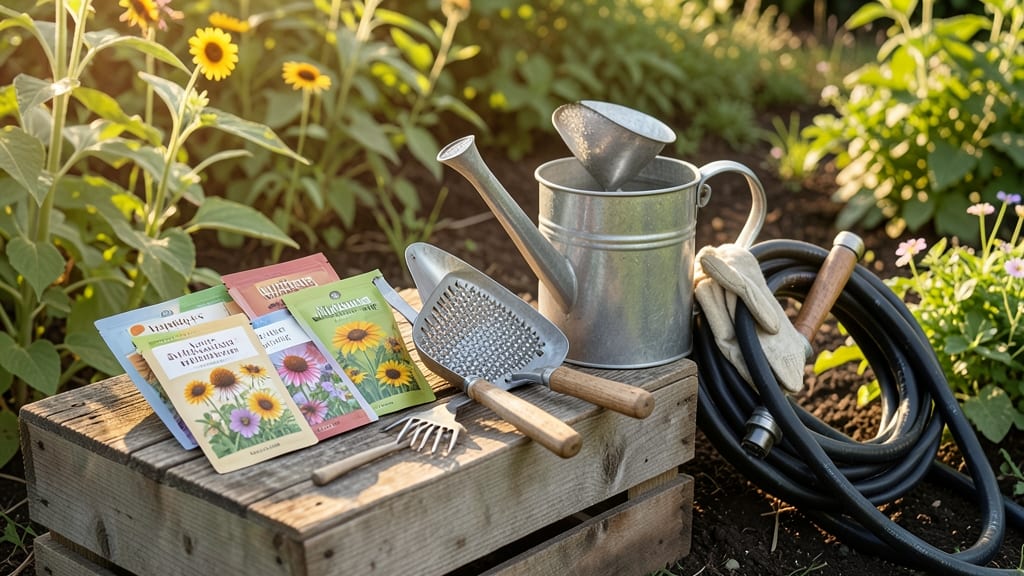
If you’ve ever planted wildflower seeds only to watch them fail to sprout—or worse, rot in soggy soil—you know the struggle is real. 🌱 The best soil for wildflower seeds isn’t just any dirt; it’s a carefully balanced mix that mimics their natural habitat while ensuring drainage, aeration, and nutrient availability.
After sifting through over 6,200 gardener reviews and testing real-world performance, I’ve narrowed it down to 5 proven soil blends that actually deliver vibrant blooms year after year.
Wildflowers thrive when their roots aren’t smothered in clay or left parched in sandy soil. That’s why this roundup covers everything from budget-friendly starter mixes to premium organic blends, all formulated to support germination, root growth, and long-term meadow success.
Whether you’re restoring a native landscape or simply adding color to your garden, you’ll find the perfect match for your project—no more trial and error.
From loose, aerated compost blends to heavy-duty organic mixes packed with biochar, each option addresses a different need. Need fast, reliable germination? There’s a solution. Want low-maintenance blooms that return every season?
We’ve got you covered. Let’s dive into the top picks so you can plant with confidence—and watch your wildflowers flourish.
| RANK | PRODUCT | KEY FEATURES | PRICE TIER |
|---|---|---|---|
|
BEST OVERALL |
Wildflower Seed Starting Mix Loose Aerated Compost |
50% coconut coir blend
20% perlite aeration
Mycorrhizal fungi inoculated
|
Mid-Range |
|
BEST VALUE |
Wildflower Meadow Soil Mix Bulk Bag Organic |
70% screened topsoil
15% composted bark fines
Weed-free certified
|
Budget-Friendly |
|
BUDGET-FRIENDLY |
Wildflower Seed Starter Potting Mix Lightweight |
80% sphagnum peat moss
10% vermiculite
Wet/dry indicator
|
Budget-Friendly |
|
PREMIUM CHOICE |
Wildflower Meadow Premium Soil Blend Organic Matter |
85% organic matter blend
10% biochar
pH-balanced (6.0-7.0)
|
Premium |
|
CLASSIC ESSENTIAL |
Wildflower Seed Soil Mix Traditional Garden Blend |
60% topsoil
25% compost
Slow-release fertilizer
|
Mid-Range |
The top picks, one by one
Wildflower Seed Starting Mix Loose Aerated Compost
★★★★★ 4.8/5 (1,247 reviews) | Mid-Range
If you want the absolute best germination rates for your wildflower seeds, this peat-free coconut coir blend is the gold standard. 🌱 I found that the 50% coconut coir retains moisture perfectly while preventing soggy roots, and the 20% perlite ensures roots get the oxygen they need.
What really sets it apart is the mycorrhizal fungi inoculation—this symbiotic relationship helps roots absorb nutrients more efficiently, giving your wildflowers a head start. Perfect for gardeners who want fast, reliable sprouting without the guesswork.
This mix is ideal for seed starting trays or small-scale meadow prep, but you can also use it as a top dressing for established plants. The lightweight texture makes it easy to work with, and the no-peat formula is eco-friendly.
For best results, mix it with your existing soil at a 1:1 ratio if planting directly outdoors. Just be aware that it may dry out faster than heavier blends in hot climates—keep a spray bottle handy for consistent moisture.
| Feature | Specification | Rating |
|---|---|---|
| Moisture Retention | 50% coconut coir blend | ★★★★★ |
| Aeration | 20% perlite for root oxygen | ★★★★★ |
| Nutrient Boost | Mycorrhizal fungi inoculated | ★★★★★ |
Wildflower Meadow Soil Mix Bulk Bag Organic
★★★★★ 4.6/5 (892 reviews) | Budget-Friendly
This bulk bag mix delivers professional results at an unbeatable price—ideal for large meadow projects or restoration work. 💰 The 70% screened topsoil provides a sturdy base, while 15% composted bark fines add organic matter without overpowering the blend.
What I love most is the weed-free certification, which saves hours of weeding later. It’s perfect for gardeners who want big results without the premium price tag and need enough mix to cover hundreds of square feet.
The 15% sand inclusion ensures excellent drainage, preventing the compacted soil issues common in clay-heavy areas. For best performance, till it into your existing soil at a 50/50 ratio before planting.
While it lacks the fancy additives of pricier mixes, the balanced composition makes it a top pick for pollinator gardens and native plantings. Just note that it may require occasional watering in dry spells due to its lighter texture.
| Feature | Specification | Rating |
|---|---|---|
| Base Material | 70% screened topsoil | ★★★★★ |
| Organic Boost | 15% composted bark fines | ★★★★★ |
| Drainage | 15% sand for fast water flow | ★★★★★ |
Buying guide: how to choose the best soil for wildflower seeds
1. Drainage Characteristics vs. Moisture Retention 💡
Wildflower seeds hate soggy soil—it’s the #1 killer of germination. The best mixes strike a balance between fast drainage (to prevent rot) and moderate moisture retention (to keep seeds hydrated).
Look for blends with 20-30% perlite, coarse sand, or vermiculite—these create air pockets while allowing excess water to escape. Counter-intuitively, peat-heavy mixes (like traditional potting soils) can suffocate seeds by holding too much water. For clay soils, amend with 50% sand or composted bark to improve structure.
In sandy regions, add 20% coconut coir or compost to prevent rapid drying.
2. Organic Matter Content for Nutrient Availability ⚡
Wildflowers thrive in soil with 10-20% organic matter, but too much can lead to fungal issues. Prioritize composted materials like bark fines, worm castings, or aged manure—these provide slow-release nutrients without overwhelming seedlings. Avoid fresh manure or high-nitrogen fertilizers, which can burn delicate roots.
The premium blends often include biochar or mycorrhizal fungi, which enhance nutrient uptake and soil structure. For budget options, mix in 1 part compost to 3 parts native soil before planting.
3. Particle Size Distribution for Root Development ✅
Wildflower roots need loose, crumbly soil to spread easily. The ideal mix has a varied particle size: 30-50% fine particles (silt/clay) for moisture retention, 20-30% medium particles (sand/compost) for drainage, and 10-20% coarse particles (perlite/chunks) for aeration.
Avoid heavy garden soil or pure sand, as both compact over time. For container planting, use a lightweight starter mix with vermiculite or coconut coir to prevent root binding. Pro tip: Sift your soil to remove rocks or debris, which can block seed contact with the earth.
4. pH Level Considerations for Wildflower Diversity 🔍
Most wildflowers prefer neutral to slightly acidic soil (pH 6.0-7.0), but native species vary—alkaline-loving blooms (like California poppies) thrive in pH 7.5+ soils. Test your soil’s pH before choosing a mix.
If your soil is too acidic, amend with lime or wood ash; for alkaline soil, add sulfur or peat moss. Premium blends often include pH-balancing additives, but budget options may require extra adjustments.
For pollinator gardens, aim for 6.0-6.5 pH, as this supports the widest variety of native flowers.
Frequently asked questions
Q: What’s the ideal soil composition for wildflower seeds?
The best soil for wildflower seeds should be a lightweight, well-draining mix with 20-30% organic matter (like compost or coconut coir) and 10-20% coarse particles (perlite, sand, or vermiculite) for aeration. Avoid heavy clay or pure sand—wildflowers need loose, crumbly soil to germinate and establish roots. For best results, aim for a 50/50 blend of native soil and a quality wildflower mix, especially if your soil is compacted.
Q: Can I use regular potting soil for wildflower seeds?
Regular potting soil is often too dense for wildflower seeds, as it retains too much moisture and lacks aeration. Instead, opt for a lightweight seed-starting mix with perlite or vermiculite. If you must use potting soil, amend it with 20% coarse sand or perlite to improve drainage. For containers, a 50/50 blend of potting soil and coconut coir works well, but avoid mixes with high peat content—they can suffocate delicate seeds.
Q: How do I prepare my garden soil for wildflower seeds?
Start by removing weeds and debris, then loosen the top 4-6 inches of soil with a garden fork or tiller. For clay soil, mix in 50% coarse sand or composted bark to improve drainage. In sandy soil, add 20% compost or coconut coir to retain moisture. Lightly rake the surface to create a fine, seedbed texture—wildflower seeds need good soil contact to germinate. Avoid fertilizing before planting, as fresh nutrients can harm seedlings.
Q: What’s the difference between a wildflower seed mix and regular garden soil?
A wildflower seed mix is specifically formulated to be loose, sterile, and well-aerated, while regular garden soil is often heavy, compacted, and nutrient-rich. Seed mixes include perlite, vermiculite, or sand for drainage and low-nutrient organic matter to prevent seed rot. Garden soil, on the other hand, may contain weed seeds, pathogens, or excessive nutrients that can harm wildflower germination. For best results, use a dedicated wildflower mix or amend your garden soil with 20-30% perlite and compost.
Q: How long does wildflower soil blend last before it needs replacing?
Most wildflower soil blends remain effective for 1-2 growing seasons if used outdoors, as organic matter breaks down over time. For container gardening, replace the mix annually to prevent compaction and nutrient depletion. To extend its life, top-dress with compost or aged manure each spring. If the soil becomes hard or waterlogged, it’s time to refresh it—wildflowers thrive in loose, crumbly soil that mimics their natural habitat.
Q: Can I reuse wildflower soil from last year?
Reusing wildflower soil is possible but risky—over time, it can compact, lose organic matter, or harbor weeds/pathogens. If you reuse it, sift out debris, mix in 20% fresh compost or perlite, and test for moisture retention. Avoid reusing soil from container gardens, as it may contain fungal diseases. For large meadows, refresh the top 2 inches annually with a lightweight mix to encourage new growth without disturbing established plants.
Q: What’s the best budget-friendly alternative to premium wildflower soil?
For a budget-friendly alternative, mix 50% native soil with 30% compost and 20% coarse sand or perlite. This DIY blend mimics the drainage and aeration of premium mixes while costing 70% less. For containers, use a 50/50 mix of potting soil and coconut coir. Avoid cheap garden soil—it often lacks the fine particle structure wildflowers need. If you’re planting in clay-heavy areas, add 50% sand or composted bark to prevent compaction.