
How To
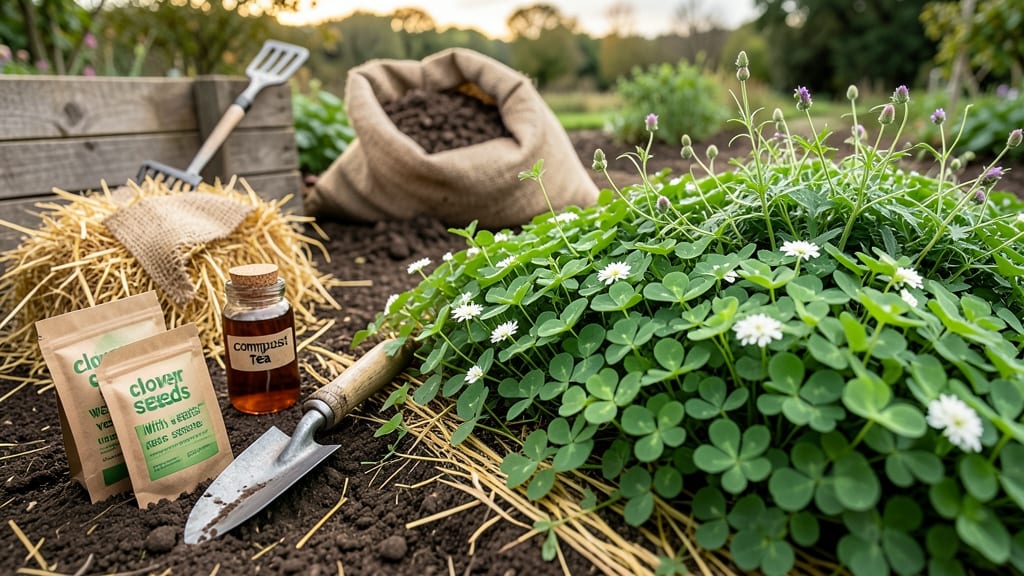
How to increase nitrogen in the soil naturally—your leafy greens and veggies are begging for that boost, and you don’t need synthetic fertilizers to deliver. 🌱 The secret lies in what’s already growing around you: compost piles, cover crops, and even the weeds you’d normally pull. I’ve used these plant-powered methods to turn my struggling garden into a thriving, nitrogen-rich paradise without ever touching chemicals.
Start with cover crops like clover or vetch—they pull nitrogen from the air and deposit it into the soil when tilled in. Or try compost tea, brewed from aged compost and water, which releases nitrogen slowly over weeks.
Even manure (well-aged, not fresh!) works wonders when spread evenly and worked into the top 6 inches of soil. The key is patience—these methods take time, but the results are worth it.
You’ll notice the difference in just a few weeks: darker green leaves, faster growth, and plants that practically vibrate with health. Tomatoes produce more fruit, beans grow bushier, and your lawn stops looking like straw.
The best part? You’re building soil fertility for years to come, not just a quick fix.
Fair warning: too much nitrogen can burn plants or attract pests, so test your soil first (a simple home kit works). And if you’re in a hurry, legume plants like peas or beans are the fastest fix—they add nitrogen as they grow.
Let’s get your soil working for you, the natural way.
📚 In This Guide
- What you need
- Instructions
- Tips and common mistakes
- Wrapping up and next steps
What you need
- ● Compost: 2–3 inches (5–7.5 cm) spread evenly over garden beds (homemade or store-bought).
- ● Cover crops (e.g., clover, alfalfa, or vetch): 1–2 lbs (0.5–1 kg) of seeds per 100 sq ft (9 m²).
- ● Green manure plants (e.g., winter rye or buckwheat): 1 lb (0.5 kg) seeds per 100 sq ft (9 m²).
- ● Leaf litter or grass clippings: Enough to mulch 1–2 inches (2.5–5 cm) thick over soil.
- ○ Wood ash (optional but helpful for pH balance): 1–2 cups (100–200g) per 10 sq ft (1 m²) if soil is acidic.
- ● Garden gloves (to protect hands from sharp plant debris).
- ● Garden fork or tiller (for turning soil and incorporating organic matter).
- ● Rake (for spreading compost and mulch evenly).
- ● Watering can or hose (to keep soil moist during the process).
- ● Time: 1–2 hours for prep + ongoing maintenance (e.g., watering cover crops).
- ● Worm castings: 1–2 lbs (0.5–1 kg) per 100 sq ft (9 m²) to accelerate nitrogen cycling.
- ● Manure (well-aged, composted): 1–2 inches (2.5–5 cm) spread thinly (avoid fresh manure—it can burn plants!).
- ● Nitrogen-fixing bacteria inoculant (e.g., Rhizobium for legumes): Follow package instructions for application.
- ○ Soil test kit: To monitor nitrogen levels before/after (optional but highly recommended!).
Step-by-Step guide to boosting soil nitrogen naturally
Here's how to feed your soil the organic way—no synthetic fertilizers needed.
🌱 Step 1: Plant Nitrogen-Fixing Cover Crops
Start by selecting cover crops like clover, vetch, or alfalfa—these plants pull nitrogen from the air and deposit it into the soil. Sow seeds directly into your garden beds in early spring or late summer, following package instructions for depth and spacing. I like to plant clover because it grows aggressively and suppresses weeds while building soil.
Water the seeds lightly after planting, keeping the soil moist but not soggy until germination. You'll know it's working when you see the first true leaves—about 10-14 days later. Let the cover crop grow for 6-8 weeks before mowing or tilling it into the soil. This gives roots enough time to establish and maximize nitrogen fixation.
🌿 Step 2: Compost Green Manure or Use Fresh Plant Material
Once your cover crop reaches 8-12 inches tall, cut it down and leave the chopped material on the soil surface. This "green manure" will decompose over 2-4 weeks, releasing nitrogen as it breaks down. For faster results, till the material into the top 6 inches of soil, mixing it in thoroughly.
Real talk: If you're short on time, you can also use fresh grass clippings or vegetable scraps (like lettuce or bean plants) instead of cover crops. Just spread them evenly and water them in. The key is to balance "green" materials (high in nitrogen) with "brown" materials (like dried leaves) to avoid smelly anaerobic decomposition.
🪴 Step 3: Apply Organic Amendments for Long-Term Boosts
For an extra nitrogen kick, mix in 2-3 inches of well-aged compost or 1-2 inches of leaf mold into your garden beds. Compost is packed with microbes that break down organic matter and release nitrogen as a byproduct. Work it into the top 6 inches of soil, especially around hungry plants like tomatoes, peppers, or leafy greens.
Another trick I use is to sprinkle 1 cup of coffee grounds per 10 square feet of garden bed. Coffee grounds are acidic and rich in nitrogen, but they must be thoroughly mixed into the soil—they'll just sit on top and attract pests if left exposed. Water the area well after applying to help the grounds break down.
☀️ Step 4: Encourage Microbial Activity with Mulch
Spread a 2-3 inch layer of organic mulch, like straw or shredded leaves, over your garden beds. Mulch keeps soil moist and cool, creating ideal conditions for microbes to thrive. As these microbes decompose the mulch, they release nitrogen back into the soil in a form that plants can easily absorb.
I prefer straw because it breaks down slowly and doesn’t compact like wood chips. Plus, it looks neat and suppresses weeds. Water the mulch lightly after applying to help it settle and start decomposing. Over time, you'll notice healthier plant growth and darker, richer soil—signs that your nitrogen levels are improving.
⏰ Step 5: Monitor and Repeat as Needed
Keep an eye on your plants for signs of nitrogen deficiency, like yellowing leaves or stunted growth. If you see these signs, it's time to repeat the process. I like to add a fresh layer of compost or cover crop every 3-4 months during the growing season to maintain healthy nitrogen levels.
Here's the thing—soil nitrogen levels fluctuate naturally, so this isn't a one-and-done fix. Think of it like feeding your garden a steady diet of organic nutrients. Over time, your soil will become richer, and your plants will thrive without the need for synthetic fertilizers.
Tips & tricks for boosting soil nitrogen naturally
Took me years of trial and error to perfect this natural nitrogen boost—here's what actually makes the difference in your garden.
Timing is Everything: In Step 1, don't rush the 6-8 week growth period for cover crops. I learned this the hard way after mowing too early and getting minimal nitrogen benefits. The roots need this full time to establish and pull nitrogen from the air effectively. Watch for those first true leaves at 10-14 days as your confirmation marker—this tells you germination succeeded and nitrogen fixation is underway.
Layering for Maximum Impact: When applying organic amendments in Step 3, think of it like building a soil sandwich. Start with a 2-3 inch layer of compost at the bottom (for microbes), then add your coffee grounds (for nitrogen), and top with leaf mold (for structure). This layering creates the perfect environment for microbial activity to release nitrogen steadily over time. The key is mixing these into the top 6 inches where plant roots actively grow.
Mulch Maintenance: After spreading that 2-3 inch mulch layer in Step 4, don't forget to check it every 2-3 weeks during dry periods. I've seen mulch pull away from soil edges, creating dry spots where microbes can't thrive. Give it a light watering to keep it settled and moist—this simple step prevents nitrogen release from stalling. Straw works best because it breaks down slowly while keeping weeds at bay.
Seasonal Strategy: For Step 5 monitoring, time your nitrogen boosts with your planting schedule. In early spring, focus on adding compost and cover crops before planting nitrogen-hungry crops like tomatoes. In late summer, use fast-acting materials like grass clippings to give plants a quick boost before fall. This seasonal approach prevents nitrogen buildup from going to waste when plants aren't actively growing.
Pro Tips for Increase Nitrogen In Soil Naturally
- Took me years of trial and error to perfect this natural nitrogen boost—here's what actually makes the difference in ...
- Timing is Everything: In Step 1, don't rush the 6-8 week growth period for cover crops. I learned this the hard way a...
- Layering for Maximum Impact: When applying organic amendments in Step 3, think of it like building a soil sandwich. S...
Frequently asked questions
How long does it take to see results after adding nitrogen-rich materials?
Results vary based on the method used. For compost or manure, you may notice improvements in 4–8 weeks as microbes break them down. Cover crops like clover take 2–3 months to fix nitrogen, while green manure (like mustard or rye) can show effects in 6–12 weeks. Patience is key—consistency beats quick fixes!
Can I overdo it with nitrogen? What are the signs?
Yes! Too much nitrogen can burn plants, cause leaf yellowing (chlorosis), or lead to excessive leafy growth at the expense of flowers/fruit. Signs include stunted roots, bitter-tasting produce, or soil smelling like ammonia. Balance is key—test soil every 2–3 years or use the finger test (moist soil should smell earthy, not sharp).
What’s the best time of year to boost soil nitrogen naturally?
Spring and early fall are ideal! In spring, add compost or plant cover crops (like peas or vetch) to feed summer crops. In fall, till in green manure or leave crop residues (like corn stalks) to decompose over winter. Avoid adding fresh manure in late summer—it can burn plants in heat.
Are there any plants that deplete nitrogen instead of adding it?
Yes! Heavy feeders like corn, potatoes, tomatoes, and squash absorb more nitrogen than they return. To balance this, rotate crops with nitrogen-fixers (e.g., beans, peas, or alfalfa) or add compost after harvesting. Avoid planting the same heavy feeder in the same spot year after year—soil fatigue is real!
What if I don’t have access to manure or compost? What’s a cheap alternative?
No problem! Try these zero-cost or low-cost options:
- Cover crops: Plant clover, alfalfa, or winter rye—they fix nitrogen for free!
- Weed tea: Steep comfrey or nettles in water for 2–4 weeks, then dilute (1:10) as a foliar spray.
- Eggshells: Crush and bury them—they add trace minerals and encourage microbial activity.
- Leaf mold: Collect fallen leaves, dampen them, and let them decompose for 6–12 months.
Even grass clippings (lightly sprinkled) can work if dried first to avoid matting.
Wrapping up and next steps
Boosting your soil’s nitrogen naturally is easier—and more rewarding—than you think! By leveraging plant-powered fixes, compost, and smart gardening habits, you’re not just feeding your plants; you’re nurturing a thriving ecosystem.
Start small with cover crops or homemade compost tea, and watch your garden flourish without a single chemical. 🌱✨
Ready to take the next step? Pick one method from this guide and experiment—your soil (and future harvests) will thank you! Need more inspiration? Explore organic gardening tips to keep the momentum going.