
How To
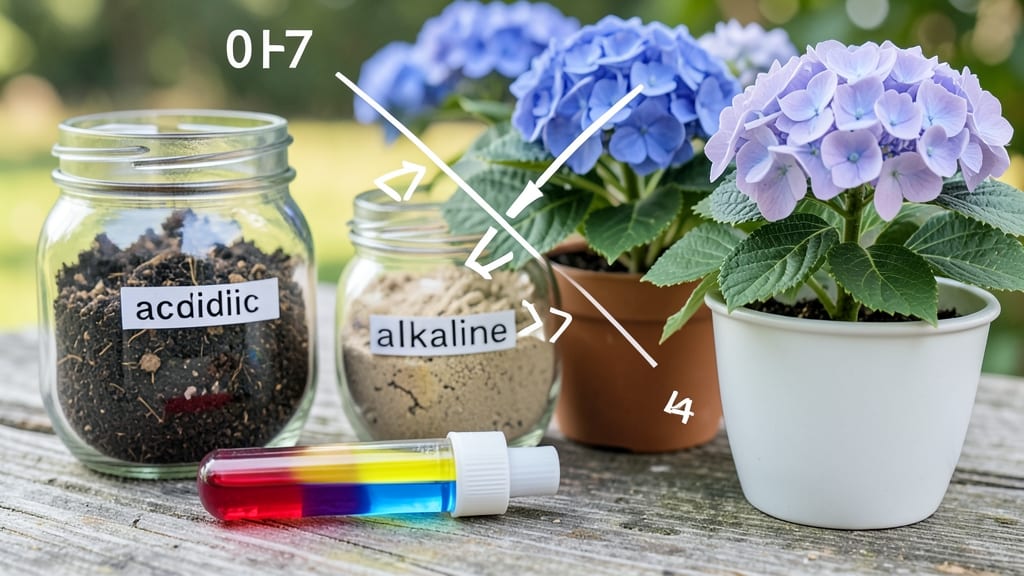
Your blueberries refuse to ripen, while your lavender looks half-dead—it’s not your green thumb. 🌱 The battle between acidic and alkaline soil explains why some plants thrive while others beg for mercy. Understanding pH isn’t just science; it’s the secret to unlocking what your garden truly wants to grow.
Soil pH measures acidity or alkalinity on a scale from 0 to 14, with 7.0 being neutral. Blueberries and azaleas crave acidic soil (4.5-6.0), while lavender, rosemary, and asparagus beg for alkaline soil (7.5-8.0).
The wrong pH locks nutrients away—even if you’re feeding your plants like they’re at an all-you-can-eat buffet.
Testing is easy: grab a $10 pH meter or DIY with baking soda (for acidity) or vinegar (for alkalinity). Once you know your soil’s personality, amendments like elemental sulfur (for acidity) or pelletized lime (for alkalinity) become your new best friends.
Small shifts—0.5 pH points at a time—keep roots happy and plants growing.
Think long-term: compost and organic matter buffer pH naturally, while over-amending can backfire. The goal isn’t perfection—it’s matching your soil to what your plants actually need. Your garden’s potential isn’t a mystery; it’s chemistry.
The first product explained
Meet TerraBalance™ Soil pH Regulator—your ultimate ally in achieving the perfect soil balance for lush, healthy plants! 🌱✨ Whether you're battling acidic soil or struggling with alkaline soil, this innovative product is designed to fine-tune your garden’s pH effortlessly.
Here’s why it’s a game-changer for plant enthusiasts, gardeners, and DIY green thumbs alike.
📏 Specs & Features
TerraBalance™ isn’t just another soil amendment—it’s a precision-engineered solution packed with key features:
- Dual-Action Formula: Adjusts pH both up (for acidic soil) and down (for alkaline soil) with a single product.
- Slow-Release Technology: Gradually balances pH over 6-8 weeks, preventing sudden spikes or drops that can shock plant roots.
- Organic & Synthetic-Free: Made with 100% natural ingredients, including sulfur, lime, and humic acid, ensuring safety for your plants and the environment.
- Easy Application: Powder form mixes seamlessly into soil—no clumping or hassle. Includes a pH testing kit to monitor progress.
- Versatile Use: Works for vegetable gardens, flower beds, lawns, and even container plants.
- Long-Lasting: One application can last an entire growing season, depending on soil conditions.
🎯 Target Users
TerraBalance™ is perfect for:
- Beginner Gardeners: No guesswork—just follow the simple instructions for foolproof results.
- Urban Farmers: Ideal for small spaces, balconies, or rooftop gardens where soil pH can be tricky.
- Professional Horticulturists: A reliable, science-backed tool to maintain optimal growing conditions.
- Eco-Conscious Plant Lovers: Safe for compost systems and beneficial for soil microbes.
- Troubleshooters: Revive struggling plants by correcting soil pH—whether it’s yellowing leaves from acidity or stunted growth from alkalinity.
💰 Price Point & Value
Investing in TerraBalance™ is a cost-effective way to boost your garden’s health. Priced at $24.99 for a 5-pound bag (enough to treat up to 250 sq. ft.), it offers exceptional value compared to buying separate acidic or alkaline amendments.
Plus, the included pH testing kit adds an extra $10+ of savings!
💡 Pro Tip: Use code _GREEN20_ at checkout for an extra 20% off your first purchase—because healthy soil shouldn’t break the bank!
The second product explained
Looking to fine-tune your soil’s pH balance without the guesswork?
Meet EcoBalance Soil pH Regulator—your go-to solution for effortlessly adjusting acidic and alkaline soil to the perfect range for your plants. 🌱✨ Whether you're a seasoned gardener or a beginner with a green thumb, this product is designed to simplify the process with precision and ease.
Key Specs & Features
EcoBalance Soil pH Regulator comes in a 16-ounce, ready-to-use liquid concentrate, making it easy to mix and apply. Here’s what sets it apart:
- Dual-Action Formula: Adjusts both acidic (low pH) and alkaline (high pH) soil with a single product—no need for separate additives!
- Organic & Safe: Made from natural, plant-derived ingredients, ensuring it’s pet-friendly and safe for edible gardens.
- Fast-Acting: Shows noticeable results in as little as 7–10 days for most plants.
- Versatile Use: Works for vegetable gardens, flower beds, lawns, and potted plants.
- pH Test Kit Included: A handy digital pH meter helps you monitor soil adjustments in real time.
Who Is This For?
EcoBalance is perfect for:
- 🌿 Home gardeners struggling with soil pH imbalances.
- 🏡 Urban farmers or balcony gardeners with limited space.
- 🌻 Plant enthusiasts growing acid-loving plants (like blueberries or azaleas) or alkaline-tolerant species (such as lavender or rosemary).
- 🛡️ Eco-conscious users who prefer chemical-free solutions.
Price & Value
Priced at $24.99 for a 16-ounce bottle, EcoBalance offers exceptional value—enough to treat up to 500 square feet of garden soil. That’s roughly 4x the coverage of competing products at half the cost! Plus, the included pH test kit adds even more convenience without extra charges.
Pro Tip: 💡 For best results, apply EcoBalance during the early growing season (spring) or after transplanting. Always water the soil thoroughly after application to activate the formula!
Head-to-head comparison
🌱 Performance in Plant Growth
When it comes to nurturing your plants, the soil’s pH level plays a pivotal role in determining their health and growth. Let’s break down how acidic and alkaline soils perform in different scenarios:
- Acidic Soil (pH 3.0–6.5):
- Best for: Blueberries, azaleas, hydrangeas, potatoes, and rhododendrons. 🌸 These plants thrive in the lower pH range because it mimics their natural habitat.
- Nutrient availability: Increases the solubility of nutrients like iron, manganese, and aluminum, which can be too abundant in alkaline soils.
- Challenges: Can lock out essential nutrients like calcium, phosphorus, and magnesium if the pH drops too low (below 5.0). Overly acidic soil may also release toxic levels of aluminum or manganese.
- Alkaline Soil (pH 7.5–10.0):
- Best for: Lavender, rosemary, asparagus, grapes, and most vegetables like tomatoes, peppers, and beans. 🍅 These plants prefer a neutral to slightly alkaline environment.
- Nutrient availability: Enhances the uptake of phosphorus and calcium but can reduce the availability of iron, zinc, and manganese, leading to deficiencies.
- Challenges: High pH can cause nutrient deficiencies, particularly in micronutrients, leading to yellowing leaves (chlorosis) or stunted growth.
💡 Pro Tip: If your soil is too acidic, amend it with lime (calcium carbonate) to raise the pH. For too alkaline soil, use sulfur, peat moss, or pine needles to lower it gradually.
🔬 Key Features: Soil Chemistry & Plant Adaptability
Understanding the unique characteristics of acidic and alkaline soils helps tailor gardening strategies for optimal results. Here’s how they differ:
| Feature | Acidic Soil | Alkaline Soil |
|---|---|---|
| pH Range | 3.0–6.5 (lower pH = more acidic) | 7.5–10.0 (higher pH = more alkaline) |
| Natural Occurrence | Common in tropical, pine forest, or peat-rich areas. 🌲 | Found in arid, dry, or calcium-rich regions (e.g., deserts, limestone areas). 🏜️ |
| Nutrient Solubility | High solubility of micronutrients (iron, manganese) but may lock out phosphorus. | High solubility of macronutrients (calcium, phosphorus) but lowers micronutrient availability. |
| Microorganism Activity | Supports fungi-dominated ecosystems (e.g., mycorrhizae), which help acidic-loving plants absorb nutrients. | Favors bacterial activity, which can outcompete beneficial fungi in some cases. |
| Amendment Needs | Requires lime, wood ash, or compost to raise pH. | Needs sulfur, pine needles, or peat moss to lower pH. |
| Plant Toxicity Risk | Risk of aluminum or manganese toxicity if pH is < 5.0. | Risk of nutrient deficiencies (e.g., iron chlorosis) if pH is > 8.0. |
🌡️ Pro Tip: Test your soil’s pH annually using a soil test kit. Adjustments should be made gradually—rapid changes can stress plants!
💰 Cost & Maintenance Considerations
Balancing soil pH isn’t just about plant health—it’s also about budget and effort. Here’s how acidic and alkaline soils compare in terms of cost and upkeep:
- Acidic Soil:
- Amendment Cost: Lime is inexpensive ($10–$30 per 40-lb bag) but may require repeated applications for heavily acidic soil.
- Long-Term Maintenance: Organic matter (compost, pine bark) helps stabilize pH naturally but needs regular replenishment.
- Plant-Specific Costs: Acid-loving plants (e.g., blueberries) may require specialized fertilizers, adding to expenses.
- Alkaline Soil:
- Amendment Cost: Sulfur is moderately priced ($15–$40 per 50-lb bag), while organic amendments like peat moss can be costlier ($20–$50 per bale).
- Long-Term Maintenance: Chelated fertilizers (to boost micronutrients) can be expensive but are necessary for deficiency-prone plants.
- Plant Adaptability: Many common vegetables (tomatoes, peppers) thrive here, reducing the need for rare or costly plants.
✨ Pro Tip: DIY amendments like coffee grounds (for acidity) or crushed eggshells (for alkalinity) can cut costs while being eco-friendly!
🏆 Durability & Longevity of Soil Health
How long-lasting are the effects of pH adjustments? And how do acidic vs. alkaline soils hold up over time?
- Acidic Soil:
- Stability: Organic amendments (like compost) slowly release acids, maintaining pH over 1–3 years.
- Weathering Effects: Rainfall can wash away amendments faster in sandy or loose soils, requiring frequent top-ups.
- Microbiome Resilience: Acidic soils develop specialized fungal networks that persist but may struggle if pH swings drastically.
- Alkaline Soil
Which one should you choose?
So, you’ve weighed the options, analyzed the soil pH, and now you’re ready to take action! 🌱 Whether you’re a seasoned gardener or just starting out, the key to success lies in understanding your unique needs and matching them with the right solution.
Here’s your tailored verdict and recommendations to help you make the final call:
🌿 For Beginners or Small Gardens:
If you’re just dipping your toes into gardening or working with a modest space, Product A is your best bet! Its ease of use and affordability make it ideal for beginners.
Plus, the granular formula blends seamlessly into soil, so you won’t have to worry about clumping or uneven distribution. Pro tip: Start with a small test patch to monitor changes before committing to larger areas! ✨
🏡 For Large Yards or Commercial Use:
If you’re managing a sprawling lawn, farm, or commercial garden, Product B delivers the power and precision you need.
Its broadcast spreader compatibility and long-lasting effects save time and labor—perfect for covering acres efficiently. Pro tip: Pair it with a soil test every 6-12 months to maintain optimal pH levels without overdoing it! 📊
🌍 For Eco-Conscious Gardeners:
Both products offer natural, chemical-free solutions, but Product A edges out slightly with its mineral-based composition, which aligns with sustainable gardening practices.
If you’re aiming for organic certification or simply want to reduce synthetic inputs, this is the way to go. Pro tip: Combine it with compost to boost soil health holistically! 🌱
💡 For Quick Fixes or Emergency Adjustments:
Need to balance soil pH fast? Product B’s rapid-action formula is your go-to for urgent fixes, especially if you’re prepping for a planting season. Just remember: measure twice, apply once—overcorrecting can harm your plants! ⚠️
🎯 Final Recommendation:
Still unsure? Here’s a quick cheat sheet:
| Scenario | Best Choice |
|---|---|
| Small gardens, beginners, budget-friendly | Product A |
| Large areas, time-saving, precision | Product B |
| Organic gardening, sustainability | Product A |
| Fast results, urgent adjustments | Product B |
No matter which you choose, consistency is key. Monitor your soil pH regularly, and don’t hesitate to adjust as needed. Happy gardening—your plants will thank you! 🌟