
Plants
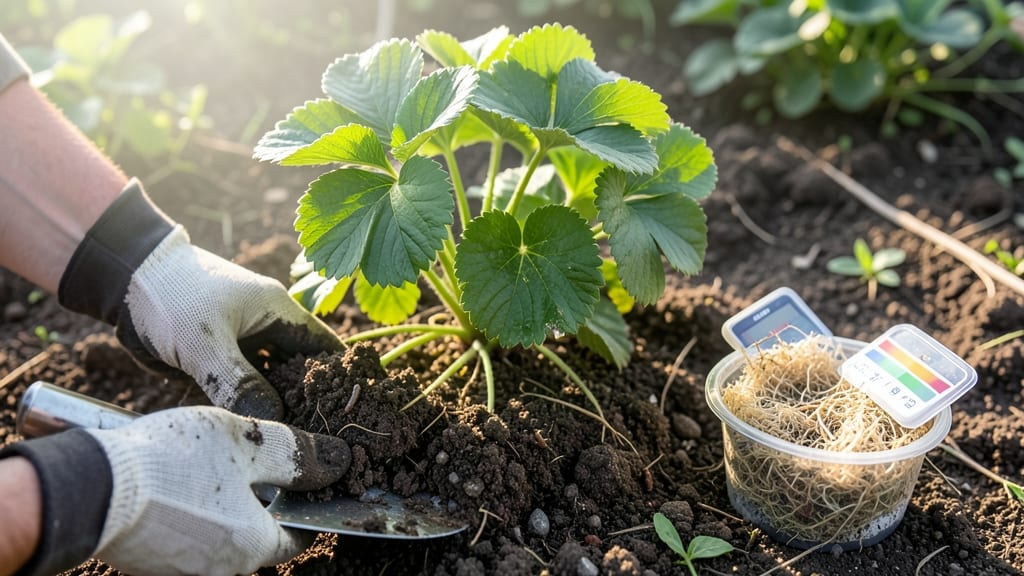
Strawberries like soil that is loamy, slightly acidic, and rich in organic matter — the kind that holds moisture without drowning roots, where every berry grows sweet and plump.
Imagine sinking your fingers into a mix that’s fluffy yet structured, where water drains freely but nutrients linger just long enough for your 🍓 plants to thrive. That’s the magic of the right soil blend, and getting it wrong can turn your harvest into a bitter disappointment.
Too much clay? Roots suffocate. Too much sand? Nutrients wash away. The ideal balance isn’t just about texture—it’s about pH, drainage, and a steady supply of food for your plants. Below, I’ll break down exactly what strawberries crave and how to tweak your soil to match.
You’ll learn how to test your soil’s pH, which organic amendments work best, and even how to build a custom mix that outperforms store-bought bags—without breaking the bank or your back.
The ideal soil composition for strawberries: loam, organic matter, and perfect drainage
Strawberries are famously fussy about their growing medium—they demand a perfect balance of texture, nutrients, and drainage to produce sweet, juicy fruits. The right soil composition isn’t just about dirt; it’s a carefully crafted mix that prevents root rot, supports vigorous growth, and maximizes flavor.
If your soil is too heavy or waterlogged, you’ll end up with small, bland berries or worse, failed harvests entirely.
At the core of ideal strawberry soil is loamy texture, which combines the best qualities of sand, silt, and clay.
This type of soil drains well while retaining enough moisture to keep roots hydrated. Organic matter like compost or well-rotted manure acts as a nutrient powerhouse, while perfect drainage prevents the root zone from becoming soggy—a common killer of strawberry plants.
Together, these elements create the foundation for larger, sweeter berries and healthier plants.
| Soil Component | Ideal Specification | Why It Matters |
|---|---|---|
| Soil Texture | Loamy (40% sand, 40% silt, 20% clay) | Balances drainage and moisture retention for root health. |
| Organic Matter | 3-5% compost or peat moss | Enhances nutrient availability and soil structure. |
| pH Level | 5.5–6.8 (slightly acidic) | Optimal for nutrient uptake and disease prevention. |
| Drainage | Water drains within 1-2 hours | Prevents root rot and fungal diseases. |
| Soil Amendments | Perlite, vermiculite, or coarse sand | Improves aeration and prevents compaction. |
If your soil leans too sandy, strawberry roots struggle to hold moisture, leading to stunted growth and small fruits. On the flip side, clay-heavy soil becomes compacted and waterlogged, suffocating roots and inviting fungal diseases like gray mold.
The solution? Amend your soil with organic matter like composted leaves, coconut coir, or well-aged manure. These additions improve soil structure while supplying essential nutrients like nitrogen, phosphorus, and potassium—critical for fruit development and plant vigor.
For gardeners with poor drainage, raised beds or containers are a game-changer. Fill them with a custom mix of 50% topsoil, 30% compost, and 20% perlite or coarse sand. This blend ensures fast drainage while retaining enough moisture to keep roots happy.
If you’re planting in-ground, mound the soil slightly to create natural drainage channels. Avoid tilling too deeply, as strawberry roots are shallow and prefer loose, aerated soil near the surface.
One of the most common mistakes is overlooking pH levels. Strawberries thrive in slightly acidic soil with a pH between 5.5 and 6.8. If your soil is too alkaline (pH above 7), nutrients like iron and manganese become unavailable, causing yellow leaves (a condition called chlorosis).
To lower pH, mix in sulfur or pine needles; to raise it, add pelletized lime. Test your soil every 1-2 years to ensure it stays in the ideal range—home test kits are affordable and easy to use.
Mulching is another secret weapon for strawberry soil health. Apply 2-3 inches of straw or shredded leaves around plants to suppress weeds, retain moisture, and regulate soil temperature. Over time, mulch breaks down, adding organic matter back to the soil. Just avoid piling mulch directly against the crown of the plant, as this can cause rot. Instead, leave a 1-inch gap around stems for airflow.
For container growers, soil mix is everything. Pre-made strawberry-specific potting mixes (like FoxFarm or Black Gold) are convenient, but you can also DIY a blend with 60% peat moss or coconut coir, 30% compost, and 10% perlite.
This lightweight mix ensures optimal drainage while providing nutrients for robust growth. Repot every 2 years to refresh the soil, as nutrients deplete over time.
Even with perfect soil, consistent care is key. Water deeply in the morning to encourage strong root growth, and avoid overhead watering to prevent fungal spores from splashing onto leaves. Fertilize lightly during the growing season with a balanced 10-10-10 formula, but skip heavy feeding in late summer to allow plants to harden off before winter.
With the right soil composition and ongoing attention, your strawberries will reward you with bountiful, flavorful harvests year after year.
🌱
How to test and adjust your soil’s pH and nutrients for strawberry success
Strawberries are fussy about their soil—too acidic or alkaline, and you’ll see stunted growth or poor fruit quality. The ideal pH range for strawberries is 5.5 to 6.8, slightly acidic but not extreme. Testing your soil is the first step to unlocking sweet, juicy berries instead of bitter disappointments.
Most garden centers sell affordable pH test kits (digital or liquid-based) that give results in minutes. Simply collect soil samples from 4–6 inches deep, mix them with water, and compare the color to the kit’s chart.
If your soil tests outside the range, don’t panic—adjustments are straightforward with the right amendments.
⚠️ What Kind of Soil Do Strawberries Like?
Strawberries hate soggy roots! They thrive in loamy, well-draining soil rich in organic matter. Avoid heavy clay or sandy soil—both can cause nutrient loss or waterlogging. Raise beds or amend clay with sand and compost; for sandy soil, add peat moss or coconut coir to retain moisture.
To lower high pH (alkaline soil), mix in elemental sulfur or pine needles (1–2 pounds per 100 sq ft). Work it into the top 6 inches of soil 2–3 months before planting. For fast results, use sphagnum peat moss or cottonseed meal, which acidify soil gradually.
If your soil is too acidic (low pH), add garden lime (calcium carbonate) or wood ash. Sprinkle 1–2 pounds per 100 sq ft and till it in.
Test again in 2–3 months—lime takes time to adjust pH. Never overdo it, or you’ll swing the pH into alkaline territory.
Strawberries also need micronutrients like calcium and magnesium. Yellow leaves? Add crushed eggshells (for calcium) or Epsom salt (for magnesium). Mix 1 tablespoon of eggshells or 1 teaspoon of Epsom salt per plant into the soil. For a nutrient boost, top-dress with well-aged compost or worm castings every spring.
After adjusting your soil, re-test pH in 4–6 weeks. Strawberries will reward you with larger, sweeter berries and fewer pests when their soil is balanced. Keep an eye out for blossom-end rot (a calcium deficiency) or yellowing leaves—signs your soil still needs tweaking.